
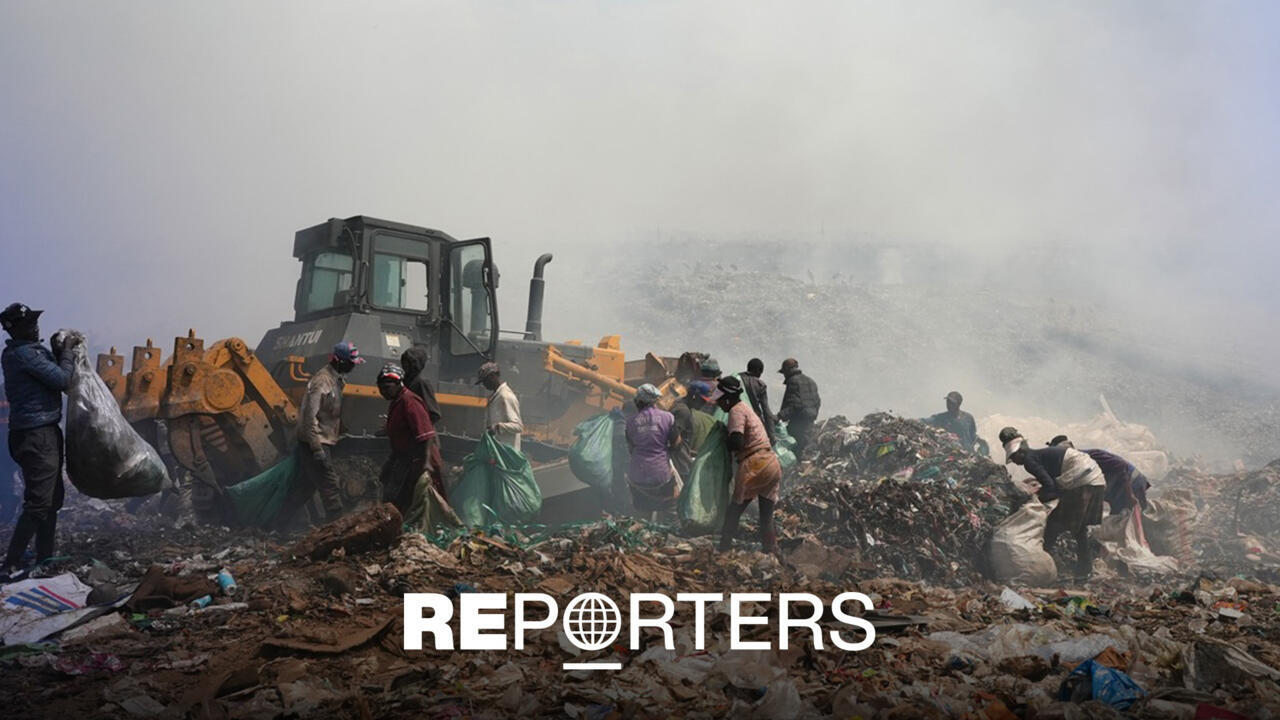
Two thousand tonnes of waste are dumped every day at the Dandora landfill site in the Kenyan capital Nairobi. An army of workers then rush in to recover recyclable materials, putting their own health at risk in the process. But however hard these unsung environmental heroes work, only 7 percent of the plastic can be recycled. Our correspondents report. Every year, 460 million tonnes of plastic are produced worldwide. According to the United Nations, only 9 percent of that total will ever be recycled. Managing this waste is a major challenge across the globe. In Kenya – a pioneer on the African continent in banning plastic bags – the recycling industry is still in its infancy. At rubbish dumps, countless waste pickers toil away, trying to salvage whatever can be recycled. But at what cost, and with what results? Constant injuries from sharp objects and exposure to toxic fumes mean these vulnerable workers put their health at risk every day. FRANCE 24's Bastien Renouil and Élodie Cousin went to meet the people bearing the human cost of recycling.
The human cost of recycling: Kenyan waste pickers put their health at risk
Full Article
Original Source
Read the full article at France24 →KhanList aggregates and links to publicly available news content. We do not host full articles from third-party sources. Always verify important information with original sources.