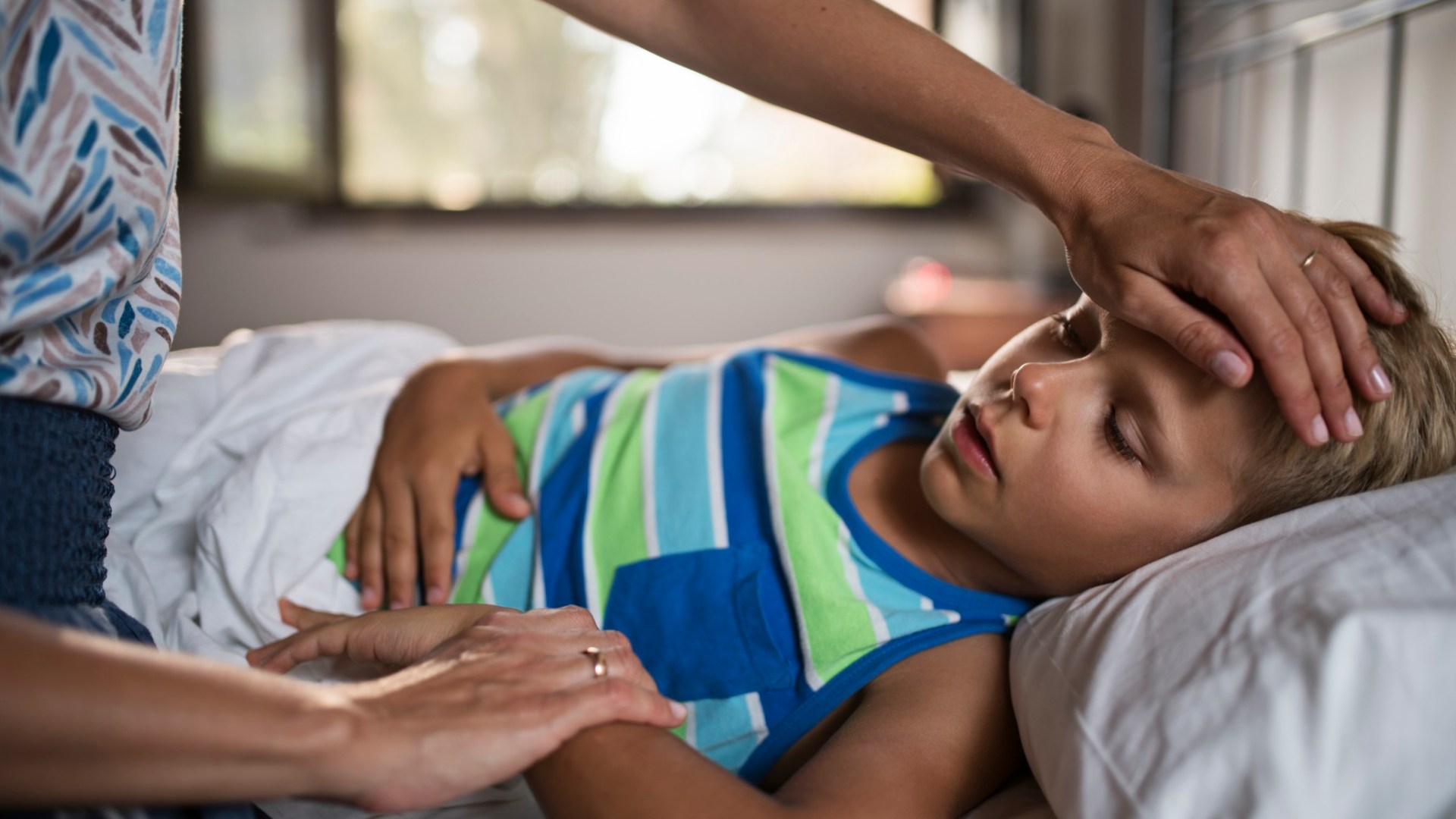
WITH schools out for the summer, there’s plenty of ways to fill the lazy, hazy days of July and August – whether you fancy a dip in the pool, a sunny bike ride or a family BBQ. But these summer activities pose their own unique health risks to kids and teenagers, experts warn – here they tell Sun Health how you can protect your family from killers including the world’s most contagious viral disease. Summer activities can pose unique health risks to children Credit: Getty Dr Mohammad Bakhtiar shares 12 health threats children and teens face this summer Credit: Unknown Nasty diseases threaten to ruin your summer holidays too, with health chiefs issuing warnings about super-contagious meningitis and measles. Sun Health spoke to Dr Mohammad Bakhtiar, Clinical Lead and GP at Medical Express Clinic about the common summer ailments, how to prevent each of them, and the life-saving NHS vaccine you should give your teen now. 1. Play it by ear Swimmer’s ear is very common during the summer months, especially for kids splashing about in pools and the sea all day. Water can get trapped in the ear after dunking your head underwater, creating the perfect damp environment for bacteria or fungi to grow. If you or your child experience ear pain after swimming, which gets worse when you press and pull on the ear, see a health provider – you’ll likely need prescription antibiotics or antifungal ear drops to clear it. You can prevent the painful infection by properly drying your ears after swimming. To do this, tip your head from side to side so any water dribbles out and gently pat your ears dry with a clean towel. If your kids are often plagued by ear niggles after swimming, it could be worth buying them earplugs to keep water out of their ear canals. 2. Itch you can’t scratch Insect bites can get infected from scratching Credit: Catherine McQueen Warmer weather brings with it a whole host of biting insects – from mosquitoes and midges, to horseflies and ticks. And since shorts and t-shirts are the norm in summer, there’s plenty of exposed skin for them to nibble at. Insect repellent can protect your tot from bites, but make sure it’s child-safe. It’s also a good idea to dress them in long sleeves and trousers once the sun goes down, and steer clear of stagnant water where mosquitoes breed. If it’s sunny, you should be applying insect repellent after sunscreen (at least SPF 30), not before. And if your child gets bitten, soothe the area with a cold compress or hydrocortisone cream and give them an antihistamine to ease itching. Tea tree oil can help reduce itching and swelling – simply dilute five drops of tea tree oil into a tablespoon of carrier oil and apply to the affected area. Make sure your children’s nails are short and try to stop them from scratching at their bites, since that’s what can lead to infection. See a GP or pharmacist if, after a day or two, the area turns hot, red, swollen, increasingly painful or the redness begins to spread. A fever may also indicate an infection. Seek urgent help for any swelling of the face, lips or tongue, difficulty breathing, or a widespread rash, which are signs of an allergic reaction. 3. Better bee-lieve it Bee stings can be life-threatening if you child gets an allergic reaction Credit: Alamy Stock Photo It’s easy to panic if your child is stung by a bee, but you need to be careful about removing the stinger. Scrape it out rather than squeezing it. Apply something cold to the area and consider an antihistamine or pain relief to ease swelling – paracetamol and ibuprofen are safe but never give them aspirin. Most stings settle within a day but call 999 immediately if your kid displays signs of an allergic reaction or if they become pale, floppy or unusually drowsy. A sting inside the mouth or throat also requires urgent assessment because of the risk of swelling. 4. Hot stuff Heat exhaustion can turn into dangerous heat stroke if not treated Credit: Imgorthand If you’re spending all day in the sun, look out for signs of heat exhaustion, which can turn into heat stroke – when the body becomes dangerously overheated. This should be a particular concern this week as temperatures climb to 30C once again. Heat exhaustion can make your child tired, dizzy and nauseous, and bring on a headache, excessive sweating and muscle cramps. They may complain of thirst and seem weak and listless. If you spot these signs, get your kid to a shady or air-conditioned spot and encourage them to drink water. You can help cool them down with a fan or cold compresses and their condition should improve within around 30 minutes. If they don’t seem better or they become confused, stop sweating, feel very hot, or become drowsy, treat it as heatstroke and call 999 immediately. 5. Parched You kid should be drinking water little and often in the heat Credit: Catherine Falls Commercial When someone is dehydrated, it means their body is losing more fluids than they’re taking in. It can become dangerous if it’s not treated, with babies, children and older adults at higher risk. Make sure your child is drinking more than usual – preferably water, given little and often rather than all at once. As a rough guide, aim for six to eight drinks across the day, with more if they’re active or sweating heavily. If your child has dry lips and mouth, darker urine and seems tired and irritable, they might be dehydrated. For babies, fewer wet nappies is a tell-tale sign. Look out for a sunken soft spot on the head too. A child who is drowsy or difficult to rouse needs urgent medical attention. 6. Fun in the sun Sun cream is just one layer of sun protection Credit: Catherine Falls Commercial If you’re slathering your kid with SPF 50+ before they go outside, great – but think of sunscreen as one layer of protection, not complete protection. To fully protect against sunburn, retreat to the shade during the hottest part of the day (roughly 11am to 3pm) and use a wide-brimmed hat, UV-protective clothing and sunglasses. If your child does get burnt, get them out of the sun, cool the skin with a cool bath or damp cloths, and encourage them to drink plenty of fluids. Keep the burnt skin covered from any further sun exposure while it heals. Seek medical advice if you notice blistering, or your child is feverish, drowsy, clearly unwell, or showing signs of dehydration. In babies under one, any sunburn needs to be assessed by a doctor, as their skin is far more vulnerable. 7. Skin in the game Sweat and chlorine can trigger eczema Credit: SBenitez Eczema sufferers will have different triggers – and sadly summer brings two of the worst, in the form of sweat and chlorine. If sweating makes your child’s eczema worse, encourage them to wear loose, breathable fabrics, and shower in cool water. They should also use a fragrance-free SPF 30+ mineral sunscreen. If eczema is triggered by chlorine in pools or salt in seawater, try applying a thick layer of an emollient moisturiser about 30 minutes before they enter the water, which might help by creating a protective barrier. It’s also important that children shower as soon as possible after swimming and reapply moisturiser and sunscreen to keep eczema at bay. 8. Stomach-churning Barbecues and picnics can create the perfect conditions for food poisoning Credit: d3sign Summer is the perfect time for picnics, but most viral tummy bugs and food poisoning occur from food being left out in the heat. Not cooking meat properly on the BBQ can also give your family a bad case of vomiting and diarrhoea. When picnicking, keep food cool by using cool bags and don’t leave it out for hours on end. When barbecuing food, keep meat in the fridge until it is ready to be cooked. Ensure that raw meat is kept separate from foods such as salads and bread and use different plates. Meat should be cooked thoroughly and reach a core temperature of 75C. Use a meat thermometer to check the centre of thick items like chicken, burgers and sausages. If you’re taking a trip abroad, ‘traveller’s diarrhoea’ is an all-too-common risk. Washing your hands regularly and not going mad at the buffet can help reduce your risk. Bear in mind that booze and sweet, fatty or spicy delicacies can all upset your stomach. Drink bottled water, avoid ice and unpeeled fruit when you’re not sure about the water quality, keep food properly chilled, and carry hand sanitiser for when soap and water aren’t available. 9. Accident-prone It’s a good idea to learn how to deal with cuts, scrapes and sprains Credit: simarik Hopping on a bike or taking your tot trampolining? Grazes, sprains and falls are a possible risk. For grazes, clean them thoroughly and apply firm pressure to any bleeding. For sprains, remember RICE: rest, ice, compression and elevation. Every parent should know how to clean a wound properly and recognise when it may need medical attention. Go to A&E or call 999 if your kid is drowsy, vomiting or losing consciousness after a head injury. Breathing difficulties, a limb that’s obviously deformed or unable to bear weight, and deep or heavily bleeding wounds should also be treated as serious. If it isn’t an emergency but you’re unsure, call NHS 111 for advice. 10. Stop bugging me Norovirus can still be an issue this summer Credit: ozgurcankaya Norovirus is thought of as a winter vomiting bug, but cases are still 58 per cent higher this summer than they tend to be at this time of year. Symptoms include vomiting and diarrhoea, which strike suddenly. The best treatment is to stay home and rest, on top of drinking plenty of fluids. It typically passes in two to three days but if it doesn’t, seek advice from your GP or pharmacist. Holiday threats There has been an uptick in dengue fever and Zika virus cases in British travellers Credit: Alamy Mosquito-borne infections are also a concern in the summer, with the UK Health Security Agency (UKHSA) issuing travel warnings due to an uptick in dengue fever and Zika virus cases in British travellers. Both of these viruses are transmitted primarily by Aedes mosquitoes, which are rife in the Americas, Africa, the Middle East, Asia and the Pacific Islands. But the disease-carrying critter is increasingly being spotted in Europe, in spots like France, Italy and Spain. Not everyone will get symptoms of dengue or Zika, but they might include a high temperature, a headache, sore, red eyes and a rash. Getting plenty of rest, drinking lots of fluids and taking pain relief such as paracetamol can help. Seek medical help if symptoms get worse. Prevention is better than cure, so when abroad, you and your family should use insect repellent – ensuring that it’s 50 per cent DEET-based – sleep under mosquito nets and wear loose clothing to cover arms and legs. 12. Measles Measles cases have surged in children under 10 in the UK Credit: CHBD Measles cases in the UK are a third higher than they were last year and UKHSA reports show they’ve surged by 6 per cent in just two weeks. The majority of measles cases this year – 61 per cent – have been seen in children aged 10 years and under. There have also been outbreaks of the illness in Europe and the US, so it can still be a concern while travelling. The virus can spread very easily and lead to serious complications – including pneumonia, meningitis, blindness, seizures, and sometimes death. But it can be prevented by getting the MMRV vaccine, which protects against measles, as well as mumps, rubella and chickenpox. Check your child’s red book to ensure they’re up to date with their jabs or ask your GP if you’re not sure. If your child does contract measles, ensure they have plenty of fluids and help them to feel more comfortable by offering paracetamol or ibuprofen. 13. Meningitis Catch-up meningitis vaccines are being dished out to teens and young people this summer Credit: Andrew Styczynski-News Group Newspapers Ltd Meningitis has been at the top of parents’ minds this year, with an outbreak leading to the death of two students in March. Teenagers, students and under 25s are at particular risk of contracting the life-threatening illness. It can kill within hours or leave survivors with life-changing consequences including limb loss, hearing deficits and brain injuries. This is why the NHS has rolled out a catch-up MenB vaccine programme for a million eligible youngsters across the UK, which launched this month. Sixth formers and students under the age of 25 going university or college for the first time were invited to book slots for the MenB vaccine in pharmacies. Two doses, at least 28 days apart, are needed for full protection. Is YOUR kid eligible for the NHS MenB vaccine? Around one million people who are at “highest risk” of meningitis B are to be offered a vaccine. What is meningitis B? There are multiple strains of meningococcal bacteria – MenA, MenB, MenC, MenW, MenX, MenY. MenB is a serious bacterial infection caused by Neisseria meningitis group B. In 2015 a vaccination campaign was launched to protect babies against MenB. Why is a vaccination programme being rolled out? Earlier this year, there was a large outbreak of menB linked to a nightclub in Canterbury, Kent. Two further clusters of cases were also identified in the Weymouth area of Dorset and in Reading. Health officials have said that as a result of these cases action is being taken “to protect those who are at highest risk immediately”. All of the outbreaks were caused by different strains of MenB, UK Health Security Agency experts said. Who is at highest risk? Health officials said that the peak age of “risk” is 18. “18 is exactly when their risk goes up, and there’s multiple reasons for that,” said Dr Shamez Ladhani, consultant epidemiologist at UKHSA. “One is social behaviours – they’re allowed to go into pubs, clubs, drinking, smoking, intimacy. “And then when they go to university, you get all these students from across the country, all meeting in different parts of the country, and then they’re being exposed to new people, and therefore the risk of being exposed to the bug goes up.” Who is eligible for the new one-off jab programme? Young people born between 1 September 2007 and 31 August 2008 and completing Year 13 in summer 2026 are eligible. People under 25 starting university for the first time this autumn are also eligible. Around one million people are going to be eligible, the UK Health Security Agency said. Who will not be getting the vaccine? The Department of Health and Social care said a number of groups will not be eligible, including: Students going into their second, third or later year of university Postgraduate students starting a masters or PhD People aged 25 or over starting university Someone who already started university previously and is returning after a break People who finished Year 13 before summer 2026 and are not entering university or residential further education for the first time this autumn Where can I get the vaccine and when? Young people will be offered their first dose from July 20 with a second dose given in August. Two doses, at least four weeks apart, are needed for full protection. Pupils in Year 13 will be contacted via the NHS app, text or letter to come forward for the jab while others under 25 will book their appointment directly with pharmacies. Which vaccine is being used? The vaccination programme will use the GSK Bexsero vaccine, which offers six to seven years of protection against MenB, health officials said.
The biggest summer health threats to kids and teens, from deadly virus to insect bites – and vital NHS jab to get NOW
Full Article
Original Source
Read the full article at Thesun →KhanList aggregates and links to publicly available news content. We do not host full articles from third-party sources. Always verify important information with original sources.