
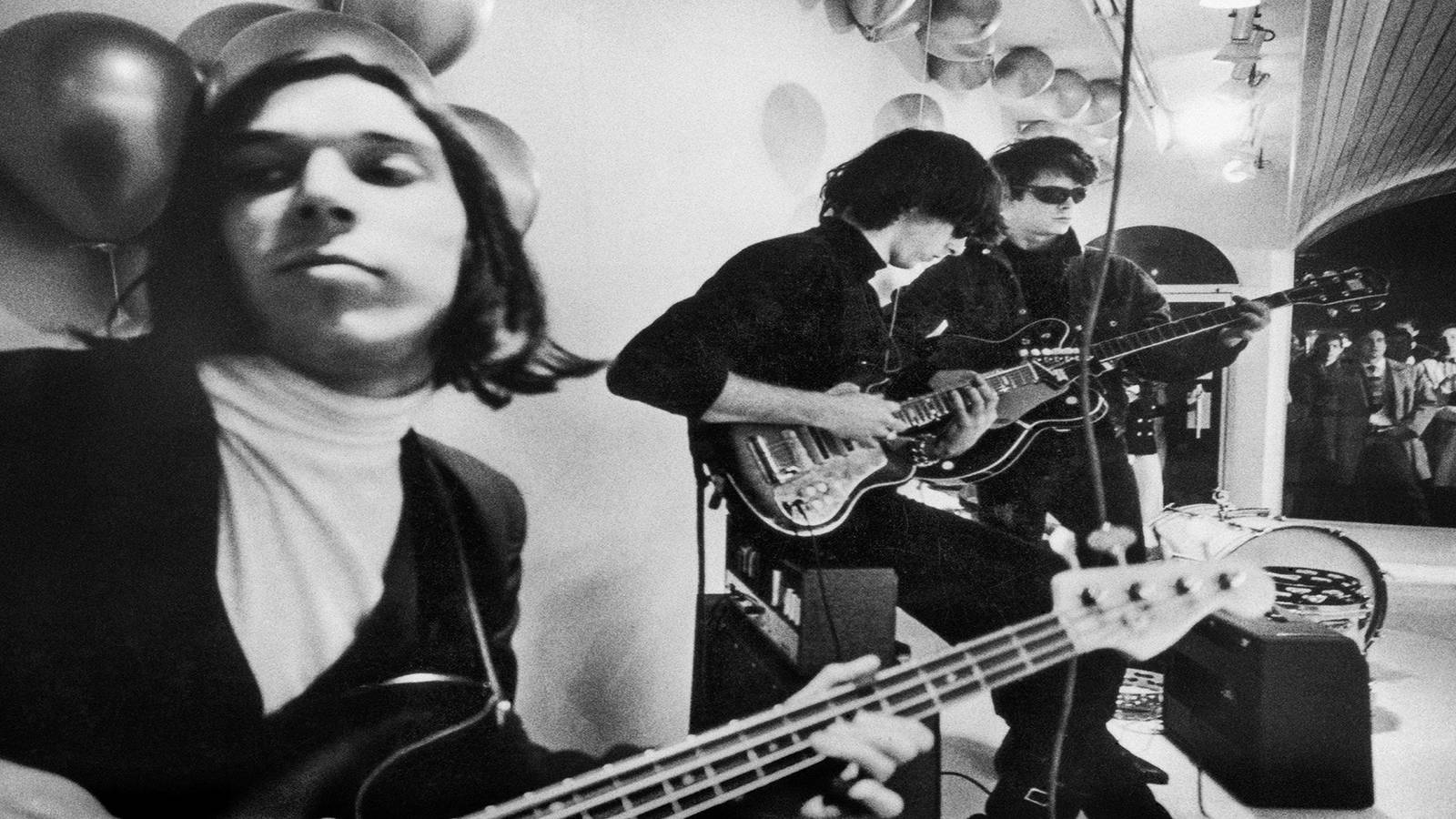
Published Nov 11, 2026, 1:41 PM EST Audrey Connelly is a writer living and working in Boston, MA. Music is and has always been one of the most important parts of her life. While rock & roll is her true love, Audrey's taste runs the gamut. Deep cuts, overplayed Billboard Hot 100 hits, trip hop, reggae, musical theater. It's all fair game. However, if she's being totally honest, she is not a huge fan of (most) country music, but she is (mostly) willing to give anything a listen or two. She has previously contributed to Atwood Magazine and has brought her passion for writing and music – specifically classic and alternative rock – to Collider. Alternative rock is a sprawling genre – the category includes indie music, Britpop, grunge, shoegaze, post-punk and a plethora of other subgenres. It is wonderfully unique, both in its expansive encapsulation and its innovative, experimental evolution that has branched off in innumerable directions throughout the decades. It is one of the most interesting and obscure genres that music has to offer. While alt-rock gained traction and popularity at the end of the ‘80s and throughout the ‘90s, the genre's conception really took place decades earlier. It can be traced back to the 1960s, crystallizing alongside the rise of the counterculture on the West Coast and the underground music scene in New York City. These are the best alternative bands of every decade – from the ‘60s to modern day. 7 1960s: The Velvet Underground The Velvet Underground did not achieve commercial success during their career. The New York-based experimental rock band was highly respected in the underground music scene, but that popularity did not translate into the mainstream. Their sound was avant-garde, intentionally convoluted, and at times caustic and abrasive – the world was not yet ready. Decades later, their music would be celebrated as some of the most important in rock and roll history. Their album The Velvet Underground & Nico was released in 1967. It sold less than 30,000 copies in the first five years on the market, but it would go on to inspire generations of musicians. Artists such as David Bowie, Pattie Smith, and R.E.M. would cite the record as an abundantly important influence on their work. The album’s influence on punk, grunge, and indie music cannot be overstated. The Velvet Underground is the first true alternative rock band. 6 1970s: Talking Heads Image via Cinecom Pictures / Palm Pictures The Talking Heads was formed in NYC in 1975. While they rose to commercial success in the ‘80s with their fifth studio album Speaking in Tongues, they were attracting attention in the underground scene in the late ‘70s following the release of their eponymous debut album, Talking Heads ‘77. The lead single, "Psycho Killer", contains the first vocals ever recorded by the band in studio. It is still one of their most popular tracks to this day. The band, spearheaded by frontman and multifaceted creative David Byrnes, were pioneers in new wave music. They were an early example of integrating music styles around the world into Western rock (following The Beatles), an innovation that opened up countless doors for musicians of the genre. The Talking Heads combined funk, punk, disco, art rock, and multiple global influences into an eccentric, energetic sound that was and is unique to the group. 5 1980s: R.E.M. Image via Keith Carter R.E.M. spent over a decade working on their music and establishing a small but loyal fan base within the indie and college rock crowd. Throughout the ‘80s, the Georgia-based group released six studio albums, creating and performing as much as possible. At the time, there was little precedent for touring indie bands in the American South – they were forging their own path, essentially building a genre from scratch. They were playing run-down pizza joints and dive bars and making virtually no money, but they never gave up. And good thing, too – they finally achieved their hard-won mainstream success with Out of Time in '91 and Automatic for the People in '92. R.E.M. integrated folk and melodic jangle pop into rock music. They are most celebrated for lead singer Michael Stipe’s unique, emotive vocals and guitarist Peter Buck’s innovative arpeggiated riffs. Hugely successful bands such as Nirvana and the Pixies credit R.E.M. for their massive impact and influence on early alternative music. 4 1990s: Nirvana Image via Rudi Keuntje/Future Image/Cover Images By the time the '90s rolled around, the popularity of alternative music was at an all-time high. The Seattle grunge scene was rapidly rising in popularity, with bands such as Soundgarden and Pearl Jam releasing wildly successful albums in the early years of the decade. But no alternative band was as successful as Nirvana. They are one of the best-selling bands of all time, having sold over 60 million records in the US alone. Nirvana integrated punk and pop into their rock music, bringing an unprecedented level of vulnerability and raw emotion to their work. Their lyrics focused on social alienation and the feeling of being an outsider – a sentiment shared by many, specifically teens and young adults. From the moment they released “Smells Like Teen Spirit” — the lead single for their iconic 1991 album, Nevermind — they were suddenly and irreversibly launched into superstardom. The relatable raw anger and sadness of their music made them incredibly popular, and their work still holds up to this day. 3 2000s: Green Day Photography by Sela Shiloni for Collider Green Day has had a decades-long career, with roots in the burgeoning Bay Area punk scene of the ‘80s and ‘90s. However, the peak of their popularity (and quality of work) was in 2004 with the release of their punk-rock opera American Idiot. The ambitious concept album was inspired by the political unrest in America following the events of 9/11 and the war in Iraq. The band’s early sound was pure punk – aggressive, fast-paced, and rebellious. As their career went on, their sound expanded into something more anthemic and grandiose. The catchy, melodic quality of their work in the early 2000s led to a steep increase in airtime and mainstream popularity. They are the quintessential pop-punk band, widely credited with reviving public interest in punk rock. 2 2010s: Vampire Weekend Image via Marcus Owens/startraksphotos.com Vampire Weekend was formed in 2006 and released their eponymous debut album two years later. Their second album, Contra, was released in early 2010 and reached number one on the Billboard 200 – only the twelfth independently distributed record to do so. The band members bonded over their shared interest in African and punk rock music, both of which are heavily integrated into their own work. The band got their name from a short film created by lead singer and guitarist Ezra Koenig. The project, which also inspired many of their songs, tells the story of a man named Walcott traveling to Cape Cod to alert the mayor about a recent uptick in vampire attacks. Vampire Weekend combines film and literature references with ska, Afro-pop, and rock to create a bright indie sound that is not soon to be forgotten. 1 2020s: Fontaines D.C. Image via Ian West/PA Images/INSTARimages/Cover Images Finally, we reach modern times. Welcome to the 2020s, where the British/Irish indie scene reigns supreme. Of all the new and exciting indie rock bands out there these days, Fontaines D.C. is a clear stand out. The group formed in Dublin in 2014 and finally reached number one on the Irish and UK Album Charts in 2022 with the release of their third studio album, Skinty Fia. Their success grew exponentially with their album Romance, released in 2024 – the record received two Grammy nominations. Their most anticipated album yet, Dopamine Chamber, dropped on October 16, 2026. Their post-punk, gritty sound has captured the ears and hearts of fans across the world. Each of their most popular albums have a distinct personality: Skinty Fia tackles social and political unrest in Ireland (both modern and historic) with raw, aggressive punk and goth-rock influences. Romance is decidedly lighter, incorporating jangly britpop and the airiness of early 2000s shoegaze. Dopamine Chamber returns to the darkness: cinematic, ethereal, and deeply experimental. Their willingness to explore different themes, genres, and emotions creates a beautiful and balanced discography.
The Best Alternative Band of Every Decade
Full Article
Original Source
Read the full article at Collider →KhanList aggregates and links to publicly available news content. We do not host full articles from third-party sources. Always verify important information with original sources.