
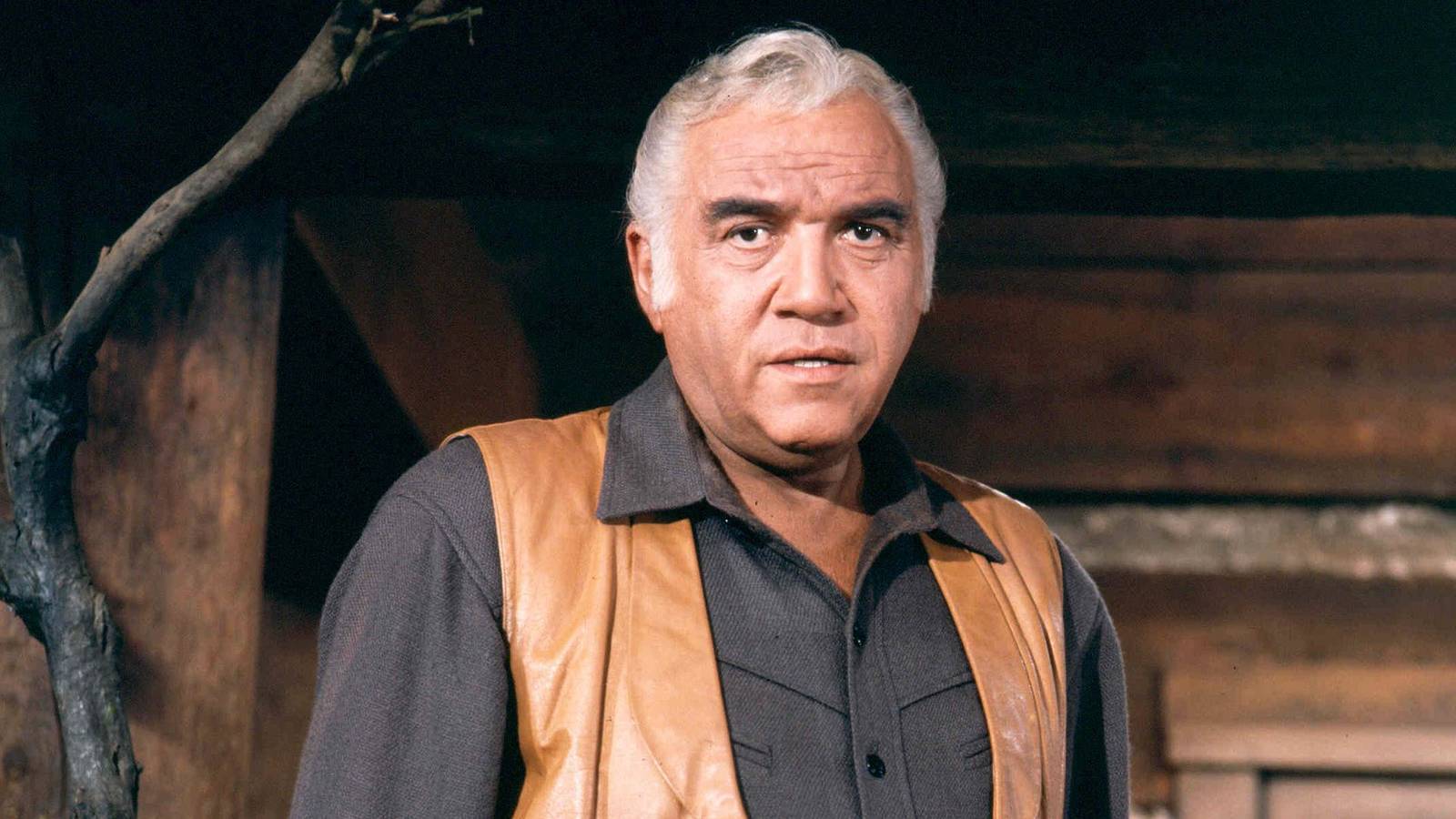
Published Nov 11, 2026, 2:30 PM EST Tom is a Senior Staff Writer at Screen Rant, with expertise covering everything from hilarious sitcoms to jaw-dropping sci-fi epics. Initially he was an Updates writer, though before long he found his way to the TV and movies team. He now spends his days keeping Screen Rant readers informed about the TV shows of yesteryear, whether it's recommending hidden gems that may have been missed by genre fans or deep diving into ways your favorite shows have (or haven't) stood the test of time. Tom is based in the UK and when he's not writing about TV shows, he's watching them. He's also an avid horror fiction writer, gamer, and has a Dungeons and Dragons habit that he tries (and fails) to keep in check. Historical shows have been a TV staple since the small screen first entered living rooms. However, the realism and sensitivity to historical context that contemporary period dramas often strive for weren’t always priorities. 20th century television was filled with series that deliberately reshaped bygone eras into comforting and reassuring adventures. That casual relationship with historical honesty has left some once-popular shows looking painfully dated. Many historical shows from the 20th century were among the most acclaimed programs of their day. Nevertheless, the years haven’t always been kind to their legacy, and changing audience expectations only explain part of the problem. These series frequently presented history through stories designed to reinforce then-contemporary worldviews. Revisited today, their treatment of themes like race, power, gender, and exploitation aren’t just outdated, they’re clear and problematic attempts to distort the past for entertainment. 8 Hogan’s Heroes (1965-1971) Bumbling SS Officers Make Wartime Imprisonment Look Jarringly Comfortable Turning a German prisoner-of-war camp into a sitcom setting seems ludicrous now, but this was the premise of Hogan’s Heroes. The 1965-1971 comedy show followed Colonel Robert Hogan (Bob Crane) and his fellow Allied prisoners as they conduct sabotage operations beneath their captors’ noses. It was lighthearted slapstick humor through and through, with the Nazi officers portrayed as incompetent buffoons who’re little more than workplace nuisances. Considering that it’s a show set in a German POW camp during the Holocaust, it feels beyond insensitive. True, while Hogan's Heroes’ Stalag 13 is a Luftwaffe-run POW camp, not an extermination camp, it doesn’t change the fact that portraying SS Officers and German army personnel as borderline-endearing is extremely uncomfortable. The affectionate clumsiness of characters Colonel Klink (Werner Klemperer) and Sergeant Schultz (John Banner) is far too soft a portrayal when considering the atrocities committed by those who wore their uniforms in real life. The problem isn’t that the show mocks Nazis, which, especially so soon after the war and given that several cast members were Jewish refugees and Holocaust survivors, was an understandable way for society to process World War 2. It’s that it does so in a way that all-but-ignores the severity of what they did. 7 Bonanza (1959-1973) A Chinese Cook Is A Comic Stereotype In An Otherwise Forward-Thinking Series For all its willingness to tackle intolerance, the game-changing Western TV show Bonanza contains a glaring contradiction. Hop Sing (Victor Sen Yung), the Chinese cook serving the Cartwright family, is portrayed as a hugely uncomfortable stereotype with overly accented speech, comically-overplayed exasperation, and little value to the family beyond domestic service. While the series follows Ben Cartwright (Lorne Greene) and his sons managing their Nevada ranch, Hop Sing’s place within that world is much narrower. The family receives expansive emotional lives and moral authority. Hop is repeatedly defined by the work he performs for them and the comedy surrounding it. The unevenness becomes especially apparent when Bonanza occasionally gives him more substantial material. Season 13’s “The Lonely Man,” for example, allows Hop Sing a romantic storyline. However, these flashes of focus make the flaws in how Hop is usually portrayed harder to miss. The problem isn’t that a historical Chinese character works as a cook, it’s that the show frequently reduces him to a foreign servant stereotype. Bonanza took steps to address racial hostility elsewhere, but its good intentions don’t erase how it treated one of its most regular minority characters. 6 The Virginian (1962-1971) Reassuring Ranch Adventures Make Settler Authority The Largely Unquestioned Foundation Of The West At Shiloh Ranch, order usually depends on the judgment of capable men who understand when to reason and when to fight. That framework powers The Virginian, which follows its unnamed foreman (James Drury) through the conflicts surrounding a Wyoming cattle operation in the late nineteenth century. The storytelling can be thoughtful, but its perspective ignores the moral nuance of life as a rancher during the period. The series tapped into a frontier way of life threatened by change, but ignored the problematic power structures that propped up this existence and the impact it had on the wider world. Protecting the established ranching community is presented as an unquestionable moral good, while problems surrounding land, settlement, and competing claims to authority (which, in real life, often led to violence) are somewhat sidelined. What’s more, the series repeatedly grants its central men the authority to decide what justice should look like, with characters outside this core contingent having little-to-no agency. Its classic vision of the Wild West offers satisfying problems for honorable individuals to solve, but it comes at the cost of an especially narrow view of history. 5 The Jewel In The Crown (1984) A Criticism Of Colonial Racism Still Gives British Experiences Disproportionate Ownership Of India’s Story The Jewel in the Crown was, admittedly, progressive when it first aired. Its account of the British Raj’s final years explicitly exposes colonial racism rather than simply celebrating imperial grandeur. The relationship between Daphne Manners (Susan Wooldridge) and Hari Kumar (Art Malik), and the persecution they faced, makes the racial hierarchy central to the drama. However, condemning individual prejudice wasn’t enough for The Jewel in the Crown to avoid enforcing a colonial perspective of life under British occupation. Across its sprawling narrative, it's through the lives of the British characters that India’s independence is explored, not the Indian’s fighting for their own freedom. That imbalance matters, because The Jewel in the Crown turns the end of decades of colonial rule into a crisis that impacts the people losing authority more than those being liberated. The consequences of the years of subjugation experienced by the Indian characters are all but ignored, while Daphne and her British companions are allowed to reflect, grieve, and demonstrate moral complexity. It has some powerful performances but, when viewed today, the limits of its perspective are hard to overlook. What should have been a story about India reclaiming its own future instead ends up feeling like a tale about Britain mourning the end of its imperial ambitions. 4 The Cleopatras (1983) Stereotyped Treatment Of Ancient Egypt Turns Women’s Bodies And Dynastic Violence Into Repetitive Spectacle Historical television doesn’t become sophisticated simply by including adult content, and The Cleopatras demonstrates the difference. Following successive rulers of Egypt’s Ptolemaic dynasty, the 1983 BBC series embraces several mature themes like incestuous marriages, political murders, and lots of sexually graphic moments (which, at the time on British television, was enough for a show to become a talking point). The problem isn’t that these elements had no basis in historical fact. It’s that The Cleopatras decided to portray them as the definitive aspects of royal life in Ancient Egypt. The show’s theatrical excess completely sidelines concerns like understanding government, dynastic survival, or the society beneath the palace intrigue. Ancient history is treated as a way to create a conveyor-belt of decadence and spectacle. The treatment of background female characters in The Cleopatras is also particularly dated. Topless servants and dancers are basically used as scenery. The nudity itself isn’t the problem, it’s the blatant objectification of the female form. Combined with the show's fascination with excess and shock for shock’s sake, it creates a vision of Ancient Egypt defined by sexual spectacle where those outside the ruling family barely register as people. 3 The Waltons (1972-1981) A Comforting Picture Of Depression Hardship Ignores The Real Hardships Of The Era Coziness and warmth are the foundation of The Waltons, and remains the reason the show has such a devoted audience even today. Following John-Boy Walton (Richard Thomas) and his family in rural Virginia during the Depression and wartime years, the 1972-1981 series finds drama in everyday sacrifices and responsibilities. However, its reassuring perspective makes national economic catastrophe feel almost like a hearty family camping trip. Hardship repeatedly supplies opportunities for generosity and personal growth, with the realities of failure never really addressed properly. The Waltons is a compassionate family drama that all-but-ignores how the Great Depression got its name. For millions, the era was defined by hunger, insecurity, displacement, and institutional failures that loving relatives alone couldn’t help one overcome. The series’ nostalgic lens made it seem like family solidarity was enough to weather the storm during a time when many households, for example, had to send their children to work just to make ends meet. It’s a criticism that was even raised during the show’s original run, and it’s only gotten harder to overlook with time. Its suggestion that a supposedly simpler America possessed the necessary answers to economic disaster hasn’t aged gracefully at all. 2 The Thorn Birds (1983) The Show That Tries To Reposition Grooming As A Sweeping Forbidden Romance The most uncomfortable elements of the 1983 miniseries The Thorn Birds arrive long before its central romance becomes sexual. Father Ralph de Bricassart (Richard Chamberlain) develops a close attachment to Meggie Cleary (played Sydney Penny as a child then by Rachel Ward as an adult) while she is still a girl. Their later relationship anchors a sprawling Australian family saga, with his religious ambitions repeatedly competing against his desire for her. The show tries to paint their romance as a tragic, enduring love. However, his influence on her since her childhood makes the whole story feel like its romanticizing grooming and abuse of power. Ralph isn’t merely an older romantic prospect in Meggie’s life. He is a trusted authority figure whose emotional significance develops while she’s still dependent on the adults around her. The drama emphasizes Ralph’s struggles with celibacy and forbidden desire, but the questions of boundaries and grooming deserve much more attention than whether he will abandon his faith for love. Thankfully, the show doesn’t wrap up its story with an uncomplicated happy ending, but this doesn’t change the fact that portraying Ralph and Meggie’s story as a romance at all is hugely uncomfortable. 1 North And South (1985-1994) Trying To Create A Morally Nuanced Look At Slave Ownership Backfired Spectacularly North and South attempted to explore the social divide of the American Civil War through the lens of a single friendship. Northerner George Hazard (James Read) and Southerner Orry Main (Patrick Swayze) struggle to preserve their bond as the country fractures. The problem is that Main owns slaves and a plantation. The show legitimately asked viewers to accept that there were morally decent plantation owners, placing considerable emotional importance on whether particular enslavers behave well to their slaves. The series completely ignores the fact that literally owning people is always morally reprehensible. The series certainly depicts slavery’s brutality, but showing the abuse slaves endured doesn’t excuse the fact that North and South tried to peddle the myth of “good slave owners”. The Main family’s relative benevolence tries to justify the idea that there’s a “tolerable” version of an inherently violent institution. This is uncomfortable enough already, and isn’t helped by the abrasive characters like abolitionist Virgilia Hazard (Kirstie Alley) who make opposition to slavery look socially destructive. The melodrama-heavy plot makes reconciliation between white families a greater concern than the freedom of people those families exploit, and it's absolutely baffling to watch today.
8 Historical Series From The 20th Century That Have Aged Horribly
Full Article
Original Source
Read the full article at Screenrant →KhanList aggregates and links to publicly available news content. We do not host full articles from third-party sources. Always verify important information with original sources.