
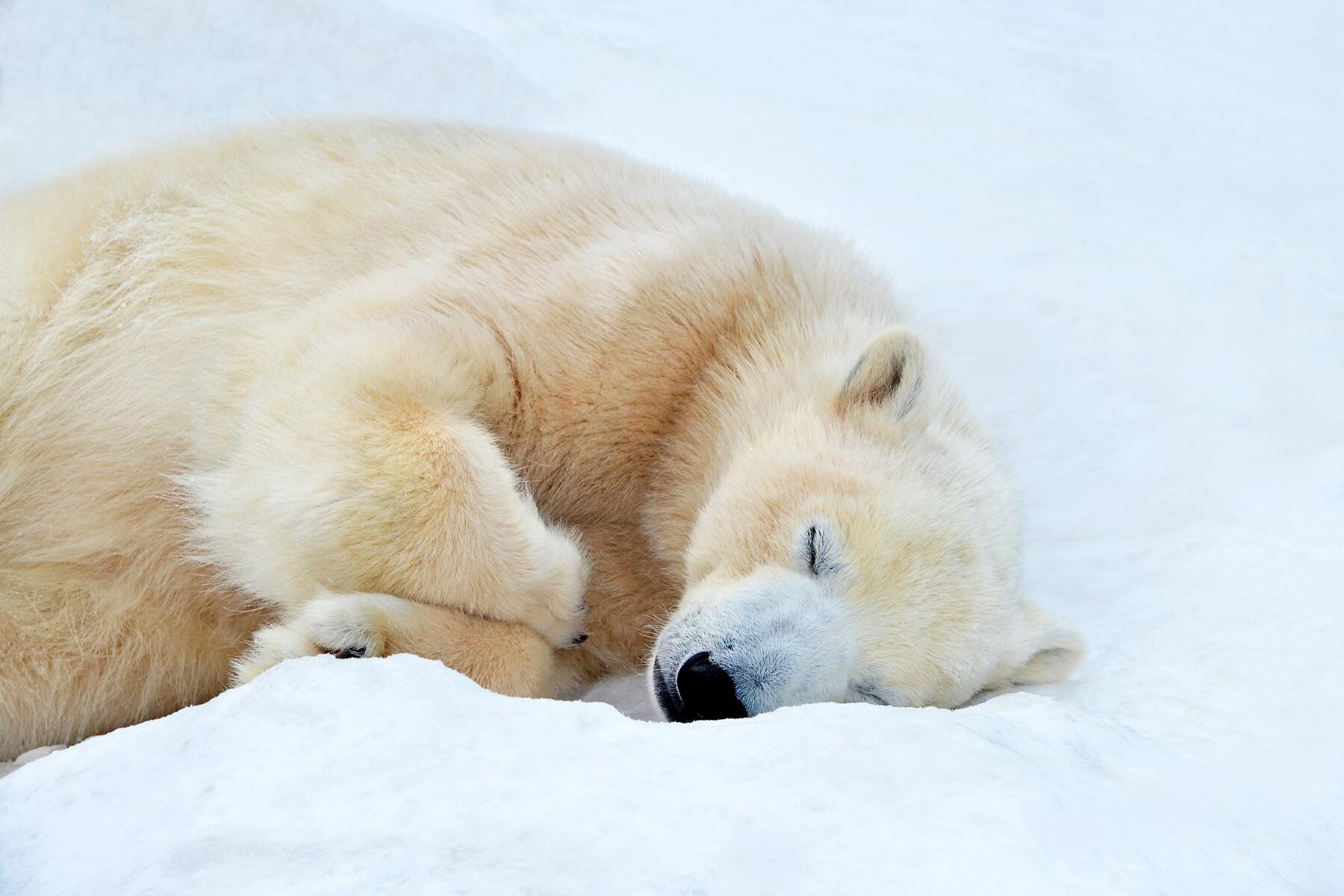
A visitor in Svalbard was fined $5,360 for intentionally waking a sleeping polar bear with a ship’s horn, violating strict wildlife protection laws.The governor of the Norwegian island of Svalbard has fined a visitor for using a ship’s horn to wake up a sleeping polar bear. Neither the ship nor the person who used the ship’s horn was identified in the government’s mid-August message regarding the offense and the fine. The ship’s horn evidently woke up the sleeping bear and caused it to move to another location. Other people on the ship alerted the government to the incident. Intentionally disturbing polar bears is a violation of Svalbard’s environmental laws, which prohibit anybody from unnecessarily disturbing, luring, or pursuing polar bears. The governor judged that the action to disturb the bear was done intentionally, and has issued a fine of 50,000 Norwegian kroner, or $5,360 U.S. dollars. The government indicated the fine has been accepted and paid by the individual. The ship had been sailing in Lomfjorden in Hinlopenstretet in the northern part of the archipelago when it used the horn, which is normally used for alerting other ships. Loud noises can cause severe stress to polar bears, often leading to den abandonment and lower cub survival rates. The sex and estimated age of the bear were not reported. Continue Reading Article After Our Video Recommended Fodor’s Video Polar bears have been protected by international treaty since 1973, when the five nations containing polar bears: Canada, Denmark (Greenland), Norway, the United States, and Russia, agreed to ban certain hunting or harassing activities. In Svalbard, which is part of the Kingdom of Norway, directly administered by a governor who has broad powers, polar bear protections are significant. Rifle protection (and training) is required for anybody outside of settlement areas, and shooting a polar bear is only permitted in situations where human life is in immediate danger. Major expeditions outside of settlements in Svalbard must also have permission from the governor. There are estimated to be some 3,000 polar bears living in the Svalbard and Barents Sea region, although many migrate between the archipelago and Franz Josef Land. It’s estimated there are a few thousand bears on the island of Svalbard at any given time, and around 300 permanent residents. Polar bear safaris are banned on Svalbard because they would violate the prohibition on pursuing the bears. Depending on the time of year, humans must keep between 300-500 meters (1,000-1,600 feet) away from a bear if they see one, and retreat if the bear comes within the prohibited distance. Worldwide, polar bear conservation status is listed by the International Union for the Conservation of Nature (IUCN) as “vulnerable,” meaning the species is threatened with extinction unless the circumstances threatening its survival and reproduction improve. Polar bear populations are threatened by the reduction in sea ice in polar regions, where the bears spend most of their lives hunting for seals. Polar bears are popularly thought of as the most dangerous species of bear, but some studies suggest they’re no more likely to attack humans than other species of bear under similar conditions. The last time the governor of Svalbard fined individuals for disturbing polar bears was 2024, when two guides from a French shipping company drove rubber boats with paying guests toward a polar bear and her cub who were eating a whale carcass. The approaching boats caused the bears to abandon their food source and leave the area, and the guides were fined 20,000 Norwegian Kroner ($2,145).Svalbard has just under 3,000 residents, largely comprised of Norwegian citizens but with a sizable expatriate community from all over the world. The territory famously does not maintain visa requirements for living and working in the community, but functionally prevents anybody without formal employment from moving there.The governor has also issued fines recently for illegal drone flights, illegal fishing, to airlines for failing to report passenger lists in advance.
The $5,360 Mistake You Should Never Make Around a Polar Bear
Full Article
Original Source
Read the full article at Fodors →KhanList aggregates and links to publicly available news content. We do not host full articles from third-party sources. Always verify important information with original sources.