
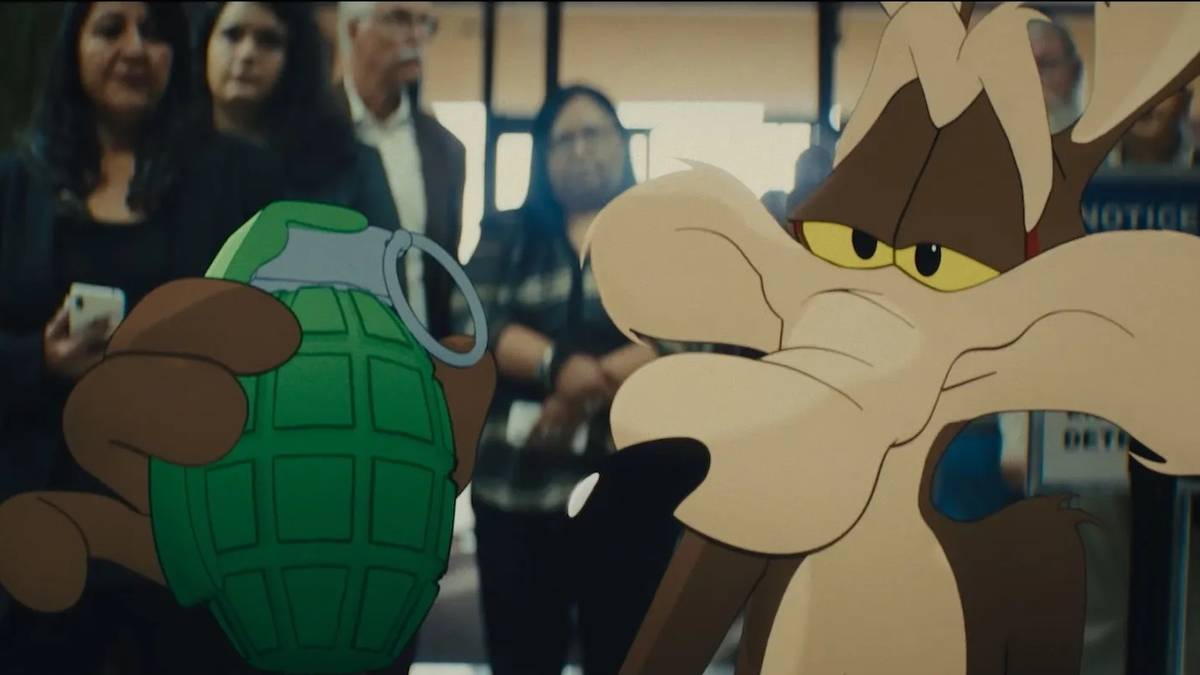
Published Sep 1, 2026, 6:23 AM EDT Ben Brewster is a filmmaker, critic, screenwriter, and actor whose work sits at the intersection of film culture, craft analysis, and storytelling. He is a movie list contributing writer at Collider and a contributing writer for High on Films, where he covers contemporary cinema, independent film, and festival releases with an eye toward narrative structure, performance, and visual language. Ben is an active film festival participant, having worked with Newport Film, the Nantucket Film Festival and as a screener for the Austin, Boston & Woodstock film festivals. He brings to that work a programming instinct shaped by years of close engagement with independent and documentary cinema. This comes with a deep investment in the kinds of films that rarely find their way into the mainstream conversation without someone willing to advocate for them. His background spans documentary and narrative filmmaking, film marketing, and production, including work with award-winning directors. This as well as developing his own indie production company, Lilac Creative Studio, through which he develops and produces original work across fiction and nonfiction forms. His debut documentary, Diamond in the Rust, is an examination of economic redevelopment and displacement in the Queens area of New York City. The film was recently accepted to the Unisphere Film Festival, the Defense of Democracy Film Festival, and the Urbanite Arts & Film Festival. This would mark his first festival recognition as a director. In addition to his writing and programming work, Ben hosts Beneath the Bloom, a film podcast exploring the work behind the scenes in cinema, and the struggles one can face to make a movie become a reality. The show reflects the same sensibility that runs through all of his work. A conviction that film is not merely entertainment but one of the most powerful tools human beings have for understanding each other. Across mediums, his work is driven by a deep belief in film as a communal, transformative art form. Coyote Vs. Acme finally arrived this past weekend after a saga that says as much about audience power as it does about the film itself. Warner Bros. shelved the completed movie for a tax write-off in 2023, only for a fan campaign, actors, directors and critics alike, to help pressure the studio into selling it rather than deleting it entirely. Few films in recent memory have proven so clearly that audiences are willing to fight for what they want, even when it is built on pure, unpretentious weirdness. It is a fight that feels like a perfect entry point into a strange niche genre culture built on that stubborn, slightly ridiculous cult devotion. Live-action and animation hybrids occupy a strange, difficult corner of film-making. The narratives are often nonsensical by design, and built around premises that would crumble under any real scrutiny, a daunting yet freeing realization for many of the projects on this list. The entire enterprise often hinges on human actors fully committing to scenes with characters who are not actually there, reacting to a timing and energy that will forcibly be added months later in post-production. When it works, it requires a rare alchemy, vibrant memorable animation paired with voice performances big enough to hold their own against flesh and blood costars. As well as, live actors willing to look somewhat foolish in service of the artistic vision. Not every film on this list succeeded, and more than a few are remembered more for their chaos than their craft. But, they all represent the genre at its most fearless; movies that lean all the way into the comic absurdity of putting cartoons and humans in the same frame. This is a look at the strangest examples of a genre that, at its best, reminds audiences why blending the two together can feel like real movie magic. 11 'Wall-E' (2008) Image via Walt Disney Studios Motion Pictures Wall-E earns its spot here less through literal on-screen human and animated interaction and more through its haunting live-action opening captured through the eyes of a robot protagonist. Its stylized use of real historical footage of humans blends well with the worlds dystopian future vision. Pixar's decision to root a nearly wordless robot animation love story in documentary-style Earth imagery gives it an unusual texture that differentiates it from anything else in the studio's catalog. The approach worked spectacularly, earning the film universal critical claim and an Academy Award for Best Animated Feature. It remains one of the strongest choices Pixar has made narratively speaking, grounding a story about the end of humanity in a near future that felt uncomfortably real. Real evidence that blending live-action sensibilities into animation does not always require literal human characters sharing the frame to feel like a true hybrid in spirit. 10 'Looney Tunes: Back in Action' (2003) Back in Action threw Bugs Bunny and Daffy Duck into a globe-trotting spy comedy alongside Brendan Fraser and Steve Martin, doubling down on exactly the kind of chaotic anything-goes energy that made Who Framed Roger Rabbit such a landmark piece years previous. The movie leans hard into meta humor, Area 52, a secret vault of rejected concept designs, and a plot that frankly barely holds itself together. But, all in the service of pure cartoon anarchy colliding with a live-action action movie framework, it is a home run swing worth appreciating within itself. Despite an exciting cast and vivid visual imagination, the movie was a box office disappointment, grossing far below its budget. It effectively ended Warner Bros. ambitions for a Looney Tunes theatrical revival at the time. It does, however, remain a fascinating example of the format's risk, a movie stuffed with clever ideas and visual wit that simply could not translate its utter weirdness into box office success. It foreshadowed almost exactly the kind of corporate hesitation that would threaten Coyote Vs. Acme twenty years later. 9 'The Adventures of Rocky and Bullwinkle' (2000) Image via Universal Pictures Adapting the beloved cartoon duo into a live-action and animation hybrid comedy proved far trickier than Universal had anticipated. Like many of these adaptations, it felt like it was jamming a ton into one movie, pairing the animated moose and squirrel with a cast that included Robert De Niro and Jason Alexander in a whacky plot that involved villains escaping into the real world. The movie leaned heavily into self-aware fourth-wall-breaking humor, an approach that has occasionally landed but can also feel stale combined with lackluster CGI. It felt like a mismatch between the source material's gentle absurdity and a bigger, more chaotic studio production featuring A-list talent. The result was a critical and commercial failure. The Rocky and Bullwinkle theatrical effort grossed barely half of its production domestically, and quickly became a cautionary tale for adopting beloved animated properties into hybrid live action movies. It remains a terribly strange watch decades later, a reminder that not every blend of cartoon nostalgia and natural creative ambition finds its footing, even with a legitimately talented cast attached. 8 'Scooby-Doo' (2002) Image via Warner Bros. Bringing the Mystery Inc. gang into live action meant asking a fully CGI Great Dane to hold his own against Freddie Prinze Jr., Sarah Michelle Gellar, Matthew Lillard and Linda Cardellini. It was an especially peculiar proposition, given how much of the franchise's charm rests on Scooby's exaggerated cartoonish physicality and comic timing. Rather than softening him into something more photorealistic, the filmmakers leaned into his rubbery, expressive animation, letting him mug, panic, and hide in Shaggy's shirt like he always had on Saturday mornings, just now with real actors in real locations. The gamble on Scooby-Doo paid off commercially speaking, grossing over $275 million worldwide and spawning a sequel. It showed how audiences were more than willing to accept a fully animated dog as the emotional and comedic center of an otherwise live action movie. It remains one of the more successful examples on this list precisely because it never tried to make Scooby more realistic to fit the human world around him. Instead, it let the human cast bend toward the cartoon's inherent silliness, which is exactly the kind of commitment this genre demands to work at all in the first place. 7 'The Mask' (1994) The Mask is not a traditional hybrid in the Roger Rabbit sense, but Jim Carrey's manic, cartoon-informed performance and physicality, paired with groundbreaking CGI for the time, helped earn its place on this list. That blend of his usual comedic nature with the animation that let his face and body warp and stretch like a living cartoon, makes it one of the stranger cult classics from the 1990s. The movie essentially asks a human actor to become the animation himself, blurring the line between performer and cartoon character in a way few films before it had even attempted. It was a massive commercial success, grossing over $350 million worldwide and further cemented Jim Carrey's starpower as something able to carry an entire movie. The director's willingness to let its lead actor perform as a living special effect was the genius behind the entire project. The rubbery, exaggerated and gleefully unhinged portrayal of Stanley Ipkiss is the unusual aspect that makes the film memorable beyond its comedic gags. It is the example that stands out for its absence of an animated co-star replaced with it being applied directly to a human face and body. 6 'Cool World' (1992) Cool World might be the single strangest entry on this list, a bizarre, tonally chaotic film from director Ralph Bakshi that mixes noir, sexuality and surreal animated world building into something that never quite decided what audience it was for. Starring Kim Basinger, Gabriel Byrne, and Brad Pitt, the movie follows a cartoonist pulled into the animated world he created, only to find it far darker and stranger than anything intended for a mainstream release. It ended up being a critical and commercial disaster, a production that was reportedly plagued by stark creative disagreements between Bakshi and the studio over tone and content. Decades later, it is still one of the weirder cult pieces, less a successful hybrid than a case study of what happens when the format's inherent absurdities are pushed to their extremes without the guardrails that makes a film like Roger Rabbit work. It belongs here because it never compromised, for better or worse. 5 'The SpongeBob SquarePants Movie' (2004) Image via Nickelodeon Pulling SpongeBob and his fully animated Bikini Bottom cast up onto dry land for the movie's climax stands as one of the stranger third act swings in animated film history. It drops the sponge, his starfish best bud Patrick, and an entire cartoon ocean world into a real shell city gift shop populated by actual human tourists. The sequence works largely because the movie never blinks at its own absurdity. It treats SpongeBob's fish-out-of-water panic, literally, with the same earnestness as everything that came before it in the fully animated ocean. The SpongeBob SquarePants Movie was a modest box office success, later becoming a cult classic and grossing over $140 million worldwide against a relatively small budget, only growing in status since. The underwater critter's first venture onto the big screen is regularly cited as one of the best film adaptations of a cartoon ever made. It's brief but memorable detour into live action, on the literal back of David Hasselhoff, gives it a rightful place here. It is a reminder that even a movie mostly content to stay animated can still produce one of the format's most beloved and bizarre sequences. 4 'Space Jam' (1996) Image via Warner Bros. Space Jam remains the gold standard for a certain form of gleeful absurdity. The movie pairs Michael Jordan at the height of his fame with the entire Looney Tunes roster in a basketball game against alien creatures who have stolen the talents of NBA stars. The premise alone reads like something assembled from a marketing meeting rather than a true screenplay, but that was part of the genius of the narrative. The movie embraces its total ridiculousness with total sincerity in place of any over-used meta commentary on the animated aspect of it all. It became a massive commercial success, grossing over $250 million worldwide and cementing itself as a defining piece of 1990s pop culture, launching a soundtrack, an entire product line, and decades of nostalgia. Enough so, that it spawned a 2021 sequel starring LeBron James. There are few projects that demonstrate the format's appeal quite as purely as this one. A real athlete alongside A-list talent like Bill Murray, sharing the frame with cartoon characters in service of a plot that makes no logical sense and works anyway, purely on charm and commitment. 3 'Kangaroo Jack' (2003) Image via Warner Bros. Pictures Kangaroo Jack operates a strange, almost accidental place in this list's history. The movie was originally conceived and marketed as a straightforward live-action comedy about a wise-cracking, CGI-enhanced kangaroo wearing a bright red jacket full of stolen money. The marketing leaned hard into the kangaroo's exaggerated, cartoonish personality despite the movie itself being mostly a live action road piece with only sporadic effects work. However bizarre the premise, the movie was a box office success relative to its budget. It ended up grossing over $150 million worldwide, even as critics roundly panned it and audiences frequently noted the disconnect between the cartoon energy of the trailer and the actual movie's more grounded plot. It belongs on this list as a cautionary tale of sorts, proof that leaning into a cartoonish sales pitch can move tickets even when the final product barely commits to the bit it is selling. 2 'Osmosis Jones' (2001) Image via Warner Bros. Osmosis Jones splits its runtime almost evenly between a live-action Bill Murray dealing with the physical consequences of poor health habits and a fully animated adventure taking place in his bloodstream. The story follows the microscopic white blood cell hero, Osmosis, and his cohorts as they fight off a dangerous virus. It is a very strange structural choice, almost like two different films stitched together, one a grounded human comedy, the other a fast-paced animated action movie, connected only by the fact that they are happening inside the same body. The film was a box office disappointment, failing to recoup its budget domestically despite pretty favorable reviews for its inventive premise. It has since become something of a cult favorite for exactly the audacity of its structure. Few films have committed this fully to literalizing the inside of a human body as an animated world. The willingness to go that far for something this weird, even at commercial cost, earns it the second-highest spot on this list.
The 11 Weirdest Live-Action/Animation Hybrids
Full Article
Original Source
Read the full article at Collider →KhanList aggregates and links to publicly available news content. We do not host full articles from third-party sources. Always verify important information with original sources.