
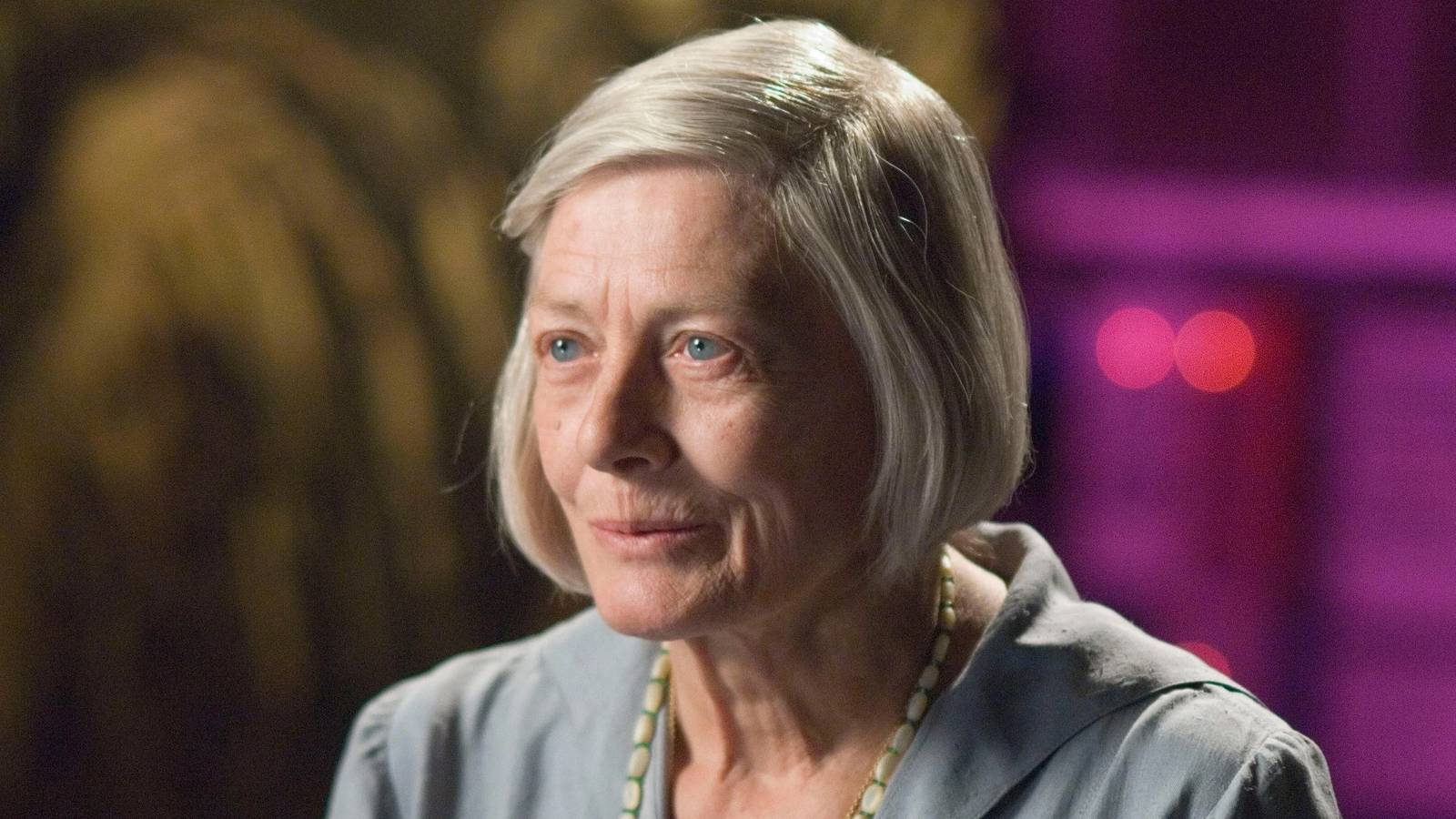
Image via Focus Features Published Sep 4, 2026, 7:36 AM EDT Ryan Menezes has written and edited for Cracked.com for 12 years, has written for Mental Floss, and has edited for Listverse and Grunge.com. His longest and most in-depth articles have covered movies and TV shows, with a special focus on how they changed between conception and when they reached the screen. That includes comparing adaptations to their original works, comparing finished movies to their screenplays, and documenting various disasters that popped up during production. Sign in to your Collider account If you get your opinions exclusively from very angry people online, you may have heard there’s been backlash lately against the concept of movie twists. Audiences demand that movies cater to their expectations, and when movies instead surprise them, that’s a deep betrayal. Fortunately, people haven’t always felt this way (and many people don’t feel that way even now). The first decade of this century brought us some movies with amazing twists. Some were movies that never got the recognition they deserved, while others were huge enough to launch franchises or to turn their filmmakers into stars. Warning: Spoilers, obviously. 10 ‘Atonement’ (2006) Image via Focus Features The book Atonement, by Ian McEwan, has a twist that would seem hard to translate to film. You read a story of war and romance where things go very wrong, but in the end, there are hints of a somewhat happy ending. Then comes a postscript that reveals you’ve been reading a fictionalized account written by one of the characters themselves. The real version of the story ended quite miserably. How do you adapt that as a movie? Should the last scene be an epilogue revealing that the previous footage was a movie directed by one of the characters? 2006’s Atonement adaptation does not do that. Instead, Briony (Vanessa Redgrave) is once again an author, revealing in an interview that she wrote a fictionalized account of her life. The previous scenes we saw depict the novel she wrote. That was the right choice. If they instead revealed that what we’d seen was an in-universe movie, with Briony now praising the performances of Keira Knightly and James McAvoy, the whole thing would have come off as a joke. You’re allowed to break the fourth wall, but you must do so with great caution. 9 ‘The Mist’ (2007) Image via Dimension Films The ending of The Mist breaks several guidelines on what movies can do. Faced with what appears to me a monster apocalypse that has wiped out civilization, our hero David (Thomas Jane) shoots the entire band of survivors he’s traveling with. He kills them out of mercy, with their consent, but this still isn’t the way we’ve been taught movies are supposed to end. In addition to several charming elderly people, this band of survivors includes the hero’s young son, and Hollywood tells us kids that age are immortal. Then, moments later, the military arrives, revealing the world is far from over and they would have been saved had they just held out longer. It’s even more of a shocking twist if you’ve read the Stephen King novella on which the movie is based, because that ends with the hero and his son surviving and feeling optimistic when they pick up a radio signal. Crazy thing, though? The movie ending (which King has said is the superior one) and the book ending have the same message. Whether the characters live or die, both endings still say: Don’t give up. 8 ‘Moon’ (2009) Image via Sony Pictures Sam Rockell stars as a lone astronaut stationed on the Moon, and along with him is a robot, voiced by Kevin Spacey. The robot appears to be entirely helpful, and it sometimes communicates by displaying the image of a smiley face. Then, at the end of the movie, in a twist that destroys everything we thought about how science-fiction works, the robot... does not turn out to be evil. Okay, that’s not the real twist of the movie. The actual twist, which comes in multiple stages, may send you into a deep state of worry about the nature of existence. We’re not going to recount it here, and we’re actually not going to recount the twist for many of the movies we’re listing. We’re just going to assure you each twist is good. That’s this list’s twist. 7 ‘Mulholland Drive’ (2001) Image via Universal Pictures With many movies, the big twist is that nothing we’ve seen up to this point was real, that it was all in someone’s head. Mulholland Drive isn’t even the only movie on this list to go that route. But rarely do these movies, after showing you the fantasy, spend much time showing the reality. You might get just a quick glimpse of the character confined in an asylum, and then we cut to credits. Mulholland Drive’s reality lasts a good half hour. Maybe every movie that tries a twist like this needs to do something similar, because you can’t appreciate someone’s fantasy without knowing in detail what they’re escaping. Though, it does take a few viewings to even understand what you’re watching. And if you watched it for the first time years ago, without knowing who Namoi Watts is, you might have looked at the two very different versions of the same character, seen what appears to be two clearly different women, and wondered why they cast two actresses who look so much like each other. 6 ‘The Fountain’ (2006) Image via Warner Bros. In The Fountain, we again have what appears to be a single actor (Hugh Jackman) playing multiple characters. Exactly what the connection is between these three men (as well as between the multiple women played by Rachel Weisz), well, that turns out to be the movie’s twist. Some people leave the movie still unclear on the answer, which is surely a testament to how good a twist it is. The movie also has a more traditional twist, a sort of Twilight Zone twist in which someone does not get the victory they sought. It’s the most famous scene, as you might have seen a GIF of Jackman staring blissfully at some golden light, without your having any idea what the context is. The full scene is a bit different from what you’d expect from the meme, and the sight is all the more impressive when you learn they pulled this movie off using only half the originally planned budget. 5 ‘The Disappearance of Alice Creed’ (2009) Image via West End Films The lowest-budgeted film on the list, however, by a wide margin, would be The Disappearance of Alice Creed. The movie cost just $1.5 million. They must have saved some money on cast salaries, as the cast consists of just Gemma Arterton, Martin Compston, and Eddie Marsan. Those aren’t the leads: That’s the entire cast, as the whole movie has only three characters. A little bit into the movie, there’s a twist. Then, after a bit, there’s another twist. Then there’s another twist. You’re supposed to go into movies like this knowing nothing in advance, and we hopefully haven’t spoiled anything for you by telling you there are twists, because after all that, once you figure you now know where it’s all going, there’s a twist. 4 ‘A Beautiful Mind’ (2001) Image via Universal Pictures Given all the biopics of Great Men that came out in the years that followed A Beautiful Mind, you might imagine this 2001 movie was a sort of early template that a bunch of later movies iterated on. The truth is the opposite. It plays out like a twist on a bunch of movies that hadn’t even been made yet. Many movies tell you the story of some figure you’re already familiar with. A Beautiful Mind tells you a story something like that then tells you that a chunk of what it told you isn’t true. Its twist assumes, correctly, that the viewer knows less about the subject of the movie than could be learned by reading the intro to his Wikipedia article (if economist John Nash had a Wikipedia article in 2001, which he did not). Few biopics attempt anything close to that. Sure, Oppenheimer, to its credit, does have a big twist, but the twist is not, “Actually, there never was an atomic bomb.” If it were, that would have been quite a surprise. Collider Exclusive · Oscar Best Picture Quiz Which Oscar Best PictureIs Your Perfect Movie? Parasite · Everything Everywhere · Oppenheimer · Birdman · No Country Five Oscar Best Picture winners. Five completely different visions of what cinema can be — and what it can do to you. One of them is the film that was made for the way your mind works. Ten questions will figure out which one. 🪜Parasite 🌀Everything Everywhere ☢️Oppenheimer 🐦Birdman 🪙No Country for Old Men FIND YOUR FILM → 01 What kind of film experience do you actually want? The best movies don't just entertain — they leave something behind. ASomething that pulls the rug out — that makes me think I'm watching one kind of film and then reveals I'm watching another entirely. BSomething overwhelming — funny, sad, absurd, and genuinely moving, all at once. CSomething grand and weighty — a film that makes me feel the full scale of what I'm watching. DSomething formally daring — a film that pushes what cinema can even do. ESomething lean and relentless — pure tension with no wasted frame. NEXT QUESTION → 02 Which idea grabs you most in a film? Great films are driven by a central obsession. What's yours? AClass, inequality, and what people are willing to do when desperation meets opportunity. BIdentity, family, and the chaos of trying to hold your life together when everything is falling apart. CGenius, moral responsibility, and the catastrophic weight of a decision you can never take back. DEgo, legacy, and the terror of becoming irrelevant while you're still alive to watch it happen. EEvil, chance, and whether moral order actually exists or if we just tell ourselves it does. NEXT QUESTION → 03 How do you like your story told? Form is content. The way a story is shaped changes what it means. AGenre-twisting — I want it to start in one lane and migrate into something completely different. BMaximalist and genre-blending — comedy, action, drama, sci-fi, all in one ride. CEpic and non-linear — cutting between timelines, building a mosaic of cause and consequence. DA single unbroken flow — I want to feel like I'm living it in real time, no cuts to safety. ESpare and precise — every scene doing exactly what it needs to do and nothing more. NEXT QUESTION → 04 What makes a truly great antagonist? The opposition defines the protagonist. What kind of opposition fascinates you? AA system — invisible, structural, and almost impossible to fight because it has no single face. BThe self — the ways we sabotage, abandon, and fail the people we love most. CHistory — the unstoppable momentum of events that no single person can stop or redirect. DThe industry — the machinery of culture that chews up talent and spits out irrelevance. EPure, implacable evil — a force so certain of itself it becomes almost philosophical. NEXT QUESTION → 05 What do you want from a film's ending? The final note is the one that lingers. What do you want it to sound like? AShock and inevitability — a conclusion that recontextualises everything that came before it. BEarned emotion — I want to cry, laugh, and feel genuinely hopeful, even if the world is a mess. CDevastation and grandeur — an ending that makes me sit in silence for a few minutes after. DAmbiguity — something that leaves enough open that I'm still thinking about it days later. EBleakness — an honest refusal to pretend the world is tidier than it actually is. NEXT QUESTION → 06 Which setting pulls you in most? Where a film takes place shapes everything — mood, stakes, what's even possible. AA gleaming modern city with a hidden underside — beauty masking rot, wealth masking desperation. BA collapsing suburban life that opens onto something infinite — the multiverse of a single ordinary person. CThe corridors of power and science at a world-historical turning point — where decisions echo for decades. DThe grimy, alive chaos of New York and Hollywood — fame as both destination and trap. EVast, indifferent landscape — desert and highway where violence arrives without warning or reason. NEXT QUESTION → 07 What cinematic craft impresses you most? Every great film has a signature — a technical or artistic element that makes it unmistakable. AProduction design and mise-en-scène — every frame composed to carry meaning beneath the surface. BEditing and tonal control — the ability to move between registers without losing the audience. CScore and sound design — music that becomes inseparable from the dread and awe of what you're watching. DCinematography as performance — the camera not recording events but participating in them. ESilence and restraint — what's left unsaid and unshown doing more work than any dialogue could. NEXT QUESTION → 08 What kind of main character do you root for? The protagonist is the lens. Who you choose to follow says something about you. ASomeone smart and resourceful who makes increasingly dangerous decisions under pressure. BSomeone overwhelmed and ordinary who turns out to be capable of something extraordinary. CA brilliant, tortured figure whose gifts and flaws are inseparable from each other. DA self-destructive artist whose ego is both their superpower and their undoing. EA quiet, principled person trying to make sense of a world that has stopped making sense. NEXT QUESTION → 09 How do you feel about a film that takes its time? Pace is a choice. Some films sprint; others let tension accumulate slowly, deliberately. AI love a slow build when I know the payoff is going to be seismic — patience for a devastating reveal. BGive me relentless momentum — I want to feel breathless and emotionally spent by the end. CEpic runtime doesn't scare me — if the material demands three hours, give me three hours. DI want it to feel propulsive even when nothing is technically happening — restless energy throughout. EDeliberate and unhurried — I want dread to accumulate in the spaces between the action. NEXT QUESTION → 10 What do you want to feel walking out of the cinema? The best films leave a mark. What kind of mark do you want? AUnsettled — like I've just seen something I can't fully explain but can't stop thinking about. BMoved and energised — like the film reminded me what actually matters and gave me something to hold onto. CHumbled — like I've been in the presence of something genuinely important and overwhelming. DExhilarated — like I've just seen cinema doing something it's never quite done before. EHaunted — like a cold, quiet dread that stays with me for days. REVEAL MY FILM → The Academy Has Decided Your Perfect Film Is…Your answers have pointed to one Oscar Best Picture winner above all others. This is the film that was made for the way your mind works. ParasiteYou are drawn to films that operate on multiple levels simultaneously — that begin in one genre and quietly, brilliantly migrate into another. Bong Joon-ho's Parasite is a film about class, desire, and the architecture of inequality that manages to be darkly funny, deeply suspenseful, and genuinely shocking across a single extraordinary running time. Your instinct is for cinema that hides its true intentions until the moment it's ready to reveal them. Parasite is exactly that — a film that rewards close attention and punishes assumptions, right up to its devastating final image. Everything Everywhere All at OnceYou want it all — and this film gives you all of it. The Daniels' Everything Everywhere All at Once is one of the most maximalist films ever made: action comedy, multiverse sci-fi, family drama, existential crisis, and a genuinely earned emotional core that sneaks up on you amid the chaos. You are someone who responds to ambition, who doesn't want cinema to choose between being entertaining and being meaningful. This film refuses that choice entirely. It is overwhelming by design, and its overwhelming nature is precisely the point — because the feeling of being crushed by infinite possibility is exactly what it's about. OppenheimerYou are drawn to cinema on a grand scale — films that understand history not as a backdrop but as a force, and that place their characters inside that force and watch what happens. Christopher Nolan's Oppenheimer is a film about the terrifying gap between what we can do and what we should do, told with the full weight of one of the most consequential moments in human history behind it. You want your films to feel important without feeling self-important — to earn their ambition through sheer craft and the gravity of their subject. Oppenheimer does exactly that. It is enormous, complicated, and refuses easy comfort. BirdmanYou are drawn to films that foreground their own construction — that make the how of the filmmaking part of the what it's about. Alejandro González Iñárritu's Birdman, shot to appear as a single continuous take, is cinema examining itself through the cracked mirror of a fading actor's ego. You respond to formal daring, to the feeling that a film is doing something that probably shouldn't be possible. Michael Keaton's performance and Emmanuel Lubezki's restless camera create something genuinely unlike anything else — a film that is simultaneously about creativity, relevance, self-destruction, and the impossibility of ever truly knowing if your work means anything at all. No Country for Old MenYou are drawn to cinema that trusts silence, that refuses to explain itself, and that treats dread as a form of meaning. The Coen Brothers' No Country for Old Men is a film about the arrival of a new kind of evil — implacable, arbitrary, and utterly indifferent to the moral frameworks we use to make sense of the world. It is one of the most formally controlled films ever made, and its controlled restraint is what makes it so terrifying. You want your films to haunt you, not comfort you. You are not interested in resolution if resolution would be dishonest. No Country for Old Men is honest in a way that most cinema never dares to be. ↻ RETAKE THE QUIZ 3 ‘Memento’ (2000) Image via Summit Entertainment We definitely need one Christopher Nolan movie in this roundup, and Memento’s final twist is one for the ages. What’s really notable about it, though, looking back, is that the movie probably could have got away with having no twist ending at all. The movie already had its gimmick. When a movie’s premise is especially nutty and becomes especially famous, you’ll often discover it doesn’t have a twist ending. The Truman Show doesn’t end with a twist. Groundhog Day doesn’t end with a twist. The Matrix, despite the wild reveal one-third in, doesn’t end with a twist (unless “the main character, who they said was the Chosen One, really is the Chosen One” counts as a twist). So, Memento could have just been a movie about someone with short-term memory loss, told in reverse, about him tracking down a murderer. It wouldn’t have been as great as it is, but it still then may have permanently shaken pop culture, leaving us forever referring to anterograde amnesia as “Memento disease.” 2 ‘Triangle’ (2009) Image via Icon Film Distribution Other movies play with time, and you can name several where the twist is the character’s in a loop. You might guess, early on, that’s what’s happening in Triangle. You might even guess one mysterious hooded figure who tussles with the main character (Melissa George) is really the main character herself, from the future. You’d be right. Except, that’s not all the movie has in store. Time loops can get more complicated than what you’re used to. And then, the movie gets truly weird when it breaks the laws that you assumed were in place and shifts to more horrifying stuff that you’d think was physically impossible. In fact, you should feel silly for thinking the story was constrained by rules at all. It’s a movie. The story can do whatever it wants. 1 ‘Saw’ (2004) Image via Twisted Pictures In 1999, The Sixth Sense somehow made everyone agree on what the ultimate movie twist is: What if that guy who’s been on the screen the entire movie turns out to have been dead the whole time? Saw took that and instead offered us: What if that guy who’s been on the screen the entire movie turns out to have been alive the whole time? That wasn’t its only twist. It also gave us the inconspicuous background character who masterminded everything, the apparent good guy secretly taking orders from the bad guy, and the creepy villain who’s actually just another victim. Also, a man saws off his own foot. It’s hard to even remember that last part was a twist, but it was. The movie’s about a guy (Cary Elwes) figuring out how to escape his bonds without cutting his foot off, but then, he actually does cut his foot off, and we weren’t supposed to expect that. Of course, Saw isn’t really the best movie of its decade and is probably not truly the one with the best twist. We still wanted to spotlight it to remind you how good twists can get, even in movies that some dismiss as trash. On the other end of the spectrum, 2023 saw the release of the tenth Saw film, and though it was the only movie in the franchise to receive positive reviews, its final twist was a wet wad of nothing. Now that the series is in the hands of new owners, let’s hope it does not forget the importance of twists in motion pictures. The old owners, incidentally, go by the name of Twisted Pictures. Release Date October 29, 2004 Runtime 103 minutes Director James Wan Cast Leigh Whannell Adam Faulkner-Stanheight Writers James Wan, Leigh Whannell Producers Gregg Hoffman, Mark Burg, Oren Koules Sequel(s) Saw II, Saw III, Saw IV, Saw V, Saw VI, Saw 3D, Jigsaw, Spiral: From the Book of Saw, Saw X, Saw XI Franchise(s) Saw
The 10 Most Perfect Movie Plot Twists of the 2000s, Ranked
Full Article
Original Source
Read the full article at Collider →KhanList aggregates and links to publicly available news content. We do not host full articles from third-party sources. Always verify important information with original sources.