
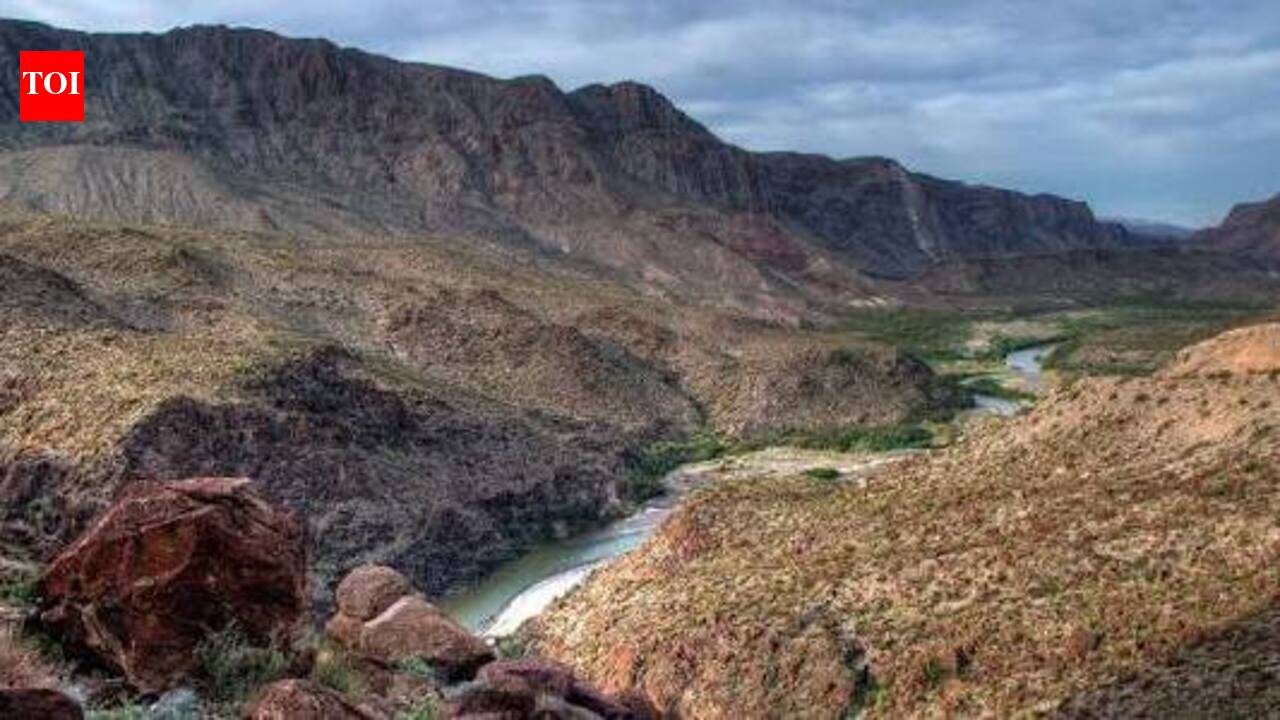
The Big Bend National Park (Image courtesy of Big Bend National Park )For some families, land is much more than a piece of property that can be bought or sold. It carries generations of memories, stories and connections, becoming part of their identity over the years. And sometimes, preserving that connection means allowing the land to become part of something much larger than the family itself.A family ranch, especially, is much bigger than the land itself. Held within it are not only the beloved elders but also the love that was once shared, the words that were exchanged and the lives that were lived to the fullest. And this is what makes a recent development in West Texas particularly meaningful.According to an announcement from the office of US Congressman August Pfluger website, the House Committee on Natural Resources has advanced the Big Bend National Park Boundary Adjustment Act. The proposed legislation would allow approximately 6,100 acres along Terlingua Creek, west of the park, to be added to Big Bend National Park through voluntary donation or exchange.How the Fulcher family’s ranchland could become part of Big Bend National ParkBig Bend National Park (Image courtesy of Texas Parks and wildlife website)For the Fulcher family, the idea of seeing their ranchland become part of Big Bend National Park has been a long-standing wish. The family has lived in West Texas for generations and owned land along Terlingua Creek, just west of the national park. Rather than seeing the property remain outside the park's boundaries, they wanted the landscape to become part of a larger conservation effort, where it could be protected for generations to come.However, transferring privately owned land into a national park is not as simple as handing over the property. The Big Bend Conservancy, the park's nonprofit partner, has been working with the Fulcher family and other willing landowners to make the expansion possible. According to the Conservancy's director, the organisation purchased the land from the family rather than receiving it as a direct donation. It now plans to donate the acquired property to the National Park Service once the necessary legislation is approved.The proposed expansion covers approximately 6,100 acres along the park's western boundary, including land around Terlingua Creek. The area also contains existing housing structures that could potentially be used by park staff and law enforcement personnel while patrolling the region. Since only Congress can authorise changes to a national park's boundaries, the Conservancy needs the proposed legislation to move forward before the land can formally become part of Big Bend.The important part of the proposal is that the land can only be acquired through voluntary donation or exchange. It expressly prohibits the use of eminent domain or condemnation, meaning private landowners cannot be forced to give up their property for the expansion.Why the proposed expansion matters for Big Bend National ParkThe expansion map shared by the Big Bend National Park on their websiteThe decision is about more than just integrating additional land into the park. The proposed expansion could help protect a landscape that holds considerable ecological and historical value. The area along Terlingua Creek is particularly important as it contains a riparian habitat, where the presence of water supports a variety of plants and wildlife in an otherwise arid region. The land also contains fossil beds, heritage homesteads and areas used by nesting birds. Protecting these spaces would help preserve not just the natural landscape but also the history and biodiversity associated with it.The Big Bend Conservancy has been working towards this expansion for several years, acquiring parcels from willing landowners so they can eventually be added to the park. Its conservation efforts are intended to keep these landscapes protected rather than leave them vulnerable to future changes in land use. If the legislation moves forward, the additional acreage would become part of a much larger effort to preserve the natural and historical character of the Big Bend region.In the end, the Fulcher family's wish is about more than adding a few thousand acres to a national park. It is also about what happens to a piece of land after the generations who called it home are gone. Ranches, farms and family properties often carry stories that cannot be measured by their size or market value, and preserving them sometimes means allowing them to become part of something beyond private ownership. If the proposed expansion moves forward, this stretch of West Texas will not simply become another addition to the park's map. It will remain a part of the landscape, protected for people and wildlife to experience long after the family memories attached to it have passed from one generation to the nex
Texas family's 6,100-acre ranch could become part of Big Bend National Park
Full Article
Original Source
Read the full article at Timesofindia →KhanList aggregates and links to publicly available news content. We do not host full articles from third-party sources. Always verify important information with original sources.