
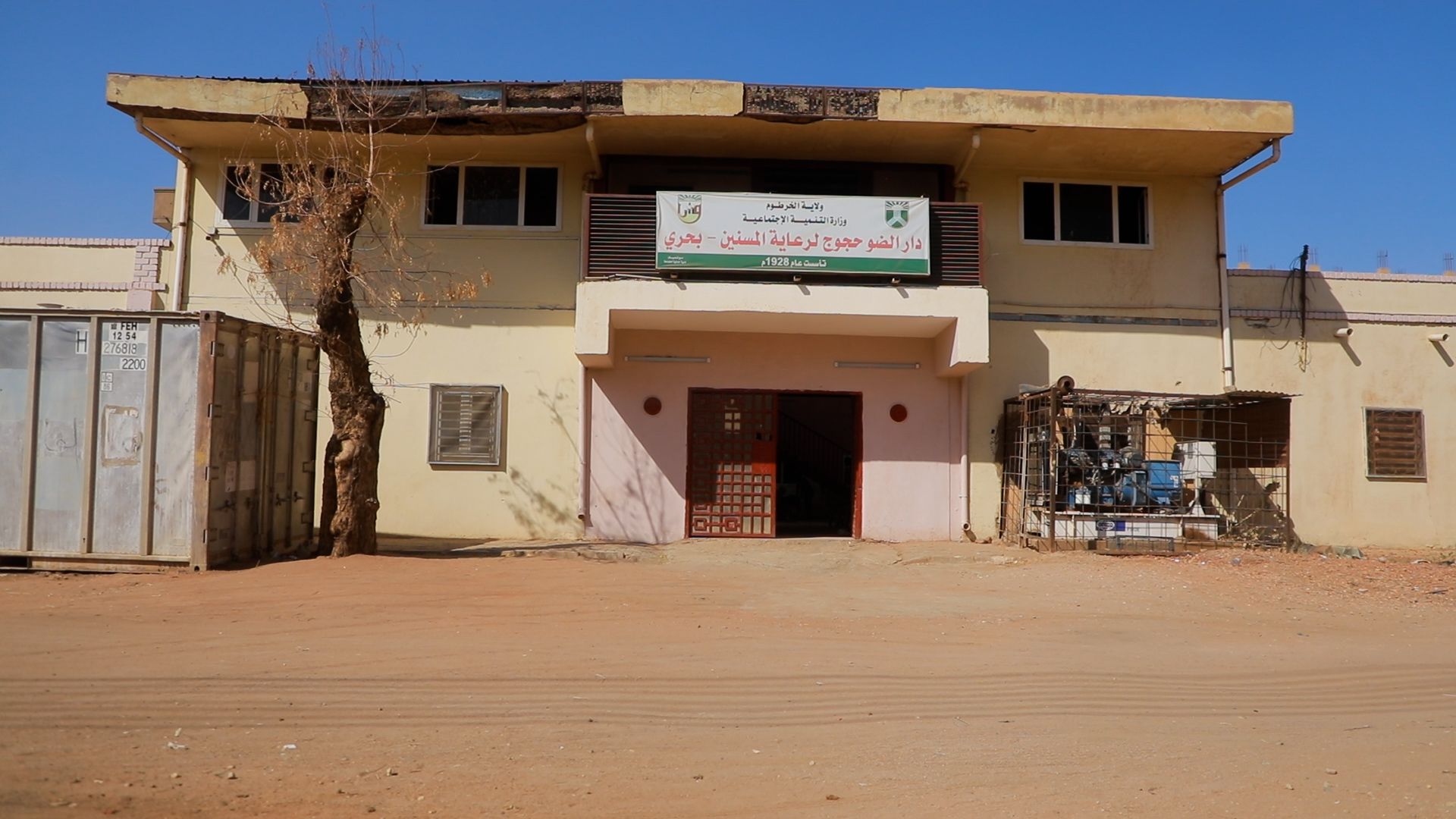
Khartoum, Sudan – Hamad Mohammed Adam, 70, should be spending his days surrounded by his family and enjoying the comfort of life in his home village. Instead, he finds himself among hundreds of displaced elderly people in a camp in western Omdurman, with little between him and death.Three months ago, Adam’s life changed when the Rapid Support Forces (RSF) paramilitary attacked his village near Bara, northern Kordofan. He followed the rest of the village and fled, leaving behind his home, belongings and most painfully, his family.Recommended Stories list of 3 itemslist 1 of 3Traumas of Sudan war lead to wave of drug addictionlist 2 of 3Sudan’s war leaves disabled children missing out on educationlist 3 of 3Sudan’s war will end, but will it be too late?end of list“It was an early morning last August when the Rapid Support Forces militia invaded our village near Bara. It was a terrifying morning; they were killing everyone, women, men, children,” he said. “I ran with some friends and spent days to reach Omdurman. I am lucky that I have survived, but I am worried about my family.”The war between the Sudanese Armed Forces (SAF) and the RSF paramilitary, two former military allies now engaged in a bitter power struggle for Sudan since April 2023, has affected all parts of the country. When fighting erupts in one area, residents are often forced to flee to another, where they lack jobs, a home, or a support base.After travelling for about 300km (186 miles), Adam found himself in western Omdurman, close to the capital Khartoum. Today, he resides at al-Moulih camp for displaced people in western Omdurman, home to approximately 10,000 people, with those aged over 65 accounting for about one in five residents.His escape from the fighting between the SAF and RSF, which has triggered one of the world’s worst humanitarian crises, was only the start of his troubles. Adam knows nothing about the whereabouts of his family, and they don’t know where he is.Lacking the support of his family, Adam’s immediate concern is finding enough food, medication and healthcare to survive. But the uncertainty of his family’s fate weighs heavily on him every day.In the same camp, Aisha Alneel, 70, has lost more than her home: The security, independence and family connections that once shaped her life. She’s accompanied by her 72-year-old sister who needs medical attention, and her greatest hope is to reunite with her family and regain some sense of normality.“I came to Port Sudan two years ago after losing my home in Khartoum. My plan is to travel with my older sister, but we faced financial strain,” she said. “We preferred to stay at this displacement camp in Port Sudan until we have enough money to leave.”Aisha and a friend sitting at al-Moulih camp for internally displaced people, November, 2026, Khartoum [N Mahmoud/Al Jazeera]Sudan’s older population, classified as aged above 65 by the United Nations, is 1.8 million people in 2026, accounting for 3.5% of the population, according to the UN’s Economic and Social Commission for Western Asia.Many elderly displaced people depend on regular medical supervision and assistance with everyday activities. When conflict forces them to abandon their homes, families, and familiar environments, these essential support systems can disappear overnight. It also disrupts or destroys the infrastructure and services they relied on to maintain a dignified life.Traditionally, Sudanese families and local communities played a central role in caring for older relatives. Younger family members often assisted with food, medical appointments and daily needs, but the war has seen families scattered across Sudan and the country’s social fabric destroyed.Living standards have plunged to levels last seen in the early 1990s, making it difficult for families to survive, let alone provide support to others. The UNDP has noted that Sudan’s economy has shrunk by more than 40 percent since the war broke out, and extreme poverty is expected to rise above 60 percent. This has placed additional pressure on institutions responsible for caring for older people.At Al-Daw Hajooj home for the elderly, the management faces the difficult task of providing care to senior citizens amid a wider humanitarian crisis.Hamad Mohammed Adam sitting at al-Moulih camp for internally displaced people, Omdurman, November 2026 [N Mahmoud/Al Jazeera]Moubarak Satti, director of Al-Daw Hajooj, told Al Jazeera that the home has 11 seniors and the situation remains “difficult” due to a lack of financial support needed to run the elderly care programmes.“Like many institutions, we have been severely affected by the war. We lost our only vehicle, which we use it to transport elderly people to medical facilities; we lost many people during the conflict due to the lack of medical care,” Satti said.“We welcome financial support from the community, NGOs, and international humanitarian organisations to continue providing care and essential services to older people.”This requires more than emergency food assistance. It needs a coordinated response that recognises elderly people as a particular group with specific needs, said Satti.The strain of displacement also impacts older people’s mental and emotional wellbeing. Separation from children and grandchildren, uncertainty about the future, and feelings of anxiety and helplessness can create intense feelings of isolation, government officials have said.The Khartoum State Ministry of Social Development has provided support to vulnerable groups, such as the elderly, coordinating social protection services and working with relevant institutions to respond to the needs of displaced communities.But the scale of the problem is staggering, with about 8.6 million people currently displaced. Attacks on civilian areas have also severely disrupted public services, making government and NGO support increasingly challenging, Minister of Social Welfare Siddig Ferini told Al Jazeera.“We have reunited dozens of elderly displaced people with their families in many Sudanese states, while others are still searching for loved ones,” Ferini said. “We call on humanitarian organisations, donors, and philanthropists to support elderly people through social care and essential services, especially amid the ongoing war and economic crisis.”
Sudan’s elderly face hardship and heartbreak in a life of displacement
Full Article
Original Source
Read the full article at Aljazeera →KhanList aggregates and links to publicly available news content. We do not host full articles from third-party sources. Always verify important information with original sources.