
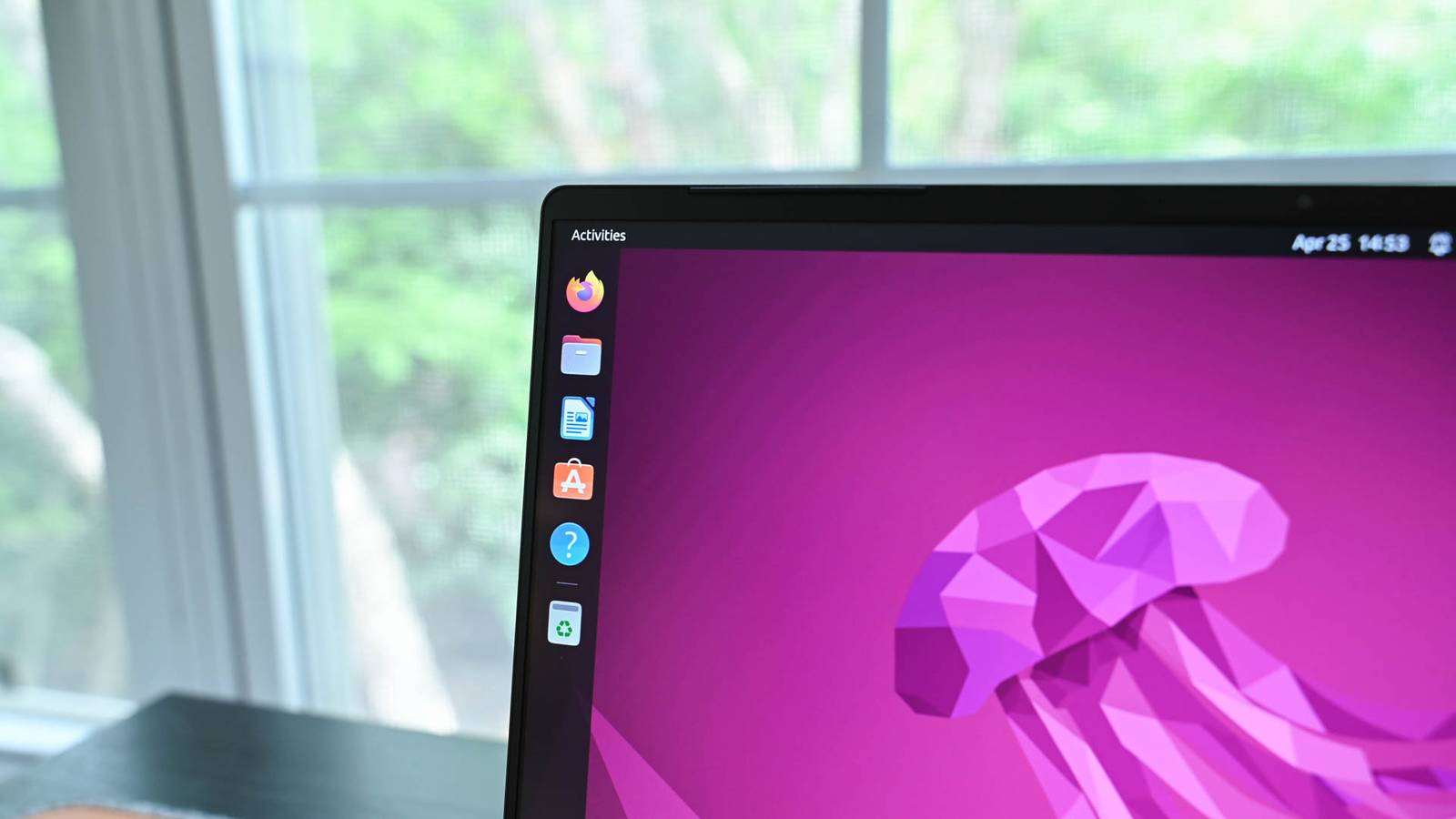
Published Aug 18, 2026, 6:30 AM EDT Umair Khurshid is a technology writer and developer with a strong focus on Linux, FreeBSD, cloud infrastructure, and automation. Before focusing on writing, Umair worked as a developer and DevOps engineer building and automating cloud-native systems. Linux Mint has earned its reputation by being one of the easiest Linux distros to recommend. If someone asks me which Linux distros they should install on their parents’ laptop, Linux Mint is usually on the top of the list. That simplicity comes with trade-offs, as Mint deliberately avoids some of Ubuntu’s newer technologies and often waits before adopting major platform changes. The developers have good reasons for those decisions. Their priority is stability and user choice rather than chasing the latest trends. Still, if you have been using Linux Mint for years, you might not realize how much Ubuntu has quietly added in the background. If you have been happily running Linux Mint, here are several Ubuntu features you may be missing: You get newer hardware support much sooner Better support for modern laptops and desktops Linux Mint is based on Ubuntu’s LTS releases, which means its foundation stays relatively unchanged for years. That makes Mint extremely dependable, but it also means newer hardware sometimes takes longer to receive full support. Ubuntu offers Hardware Enablement (HWE) kernels that regularly bring newer Linux kernels to supported LTS releases. New processors, Wi-Fi adapters, graphics hardware, and laptops generally work sooner without requiring manual kernel upgrades. If you recently bought a laptop with the latest Intel or AMD processor, Ubuntu often recognizes every component immediately, while Mint users may need to wait for a newer Edge ISO or manually install a newer kernel. For people who upgrade their hardware frequently, Ubuntu usually feels more current. Ubuntu Pro gives you enterprise security for free Security updates extend far beyond the standard support period Most desktop users have probably never heard of Ubuntu Pro. Canonical offers it free for personal use on several machines, extending security maintenance well beyond the normal support lifecycle. It also includes Expanded Security Maintenance (ESM), which patches thousands of packages that would otherwise stop receiving updates. For developers, consultants, or anyone running Ubuntu on multiple systems, Ubuntu Pro adds meaningful value without requiring a paid subscription. Mint inherits Ubuntu’s security updates, but Ubuntu Pro remains an Ubuntu-exclusive service. Livepatch installs many kernel security fixes without rebooting Security updates become less disruptive Kernel updates normally require a reboot. Ubuntu Livepatch changes that by applying many critical kernel security fixes while the system continues running. Servers have benefited from similar technologies for years, but Ubuntu makes the capability easily accessible on desktop systems as well. If your workstation runs long rendering jobs, virtual machines, containers, or scientific workloads, avoiding unnecessary reboots can be surprisingly convenient. Livepatch will not eliminate every reboot, since some kernel updates still require restarting the system, but it significantly reduces how often that becomes necessary. Linux Mint does not include an equivalent built-in service. Ubuntu integrates cloud services more naturally Multipass and cloud images simplify development Ubuntu has invested heavily in cloud computing and that investment benefits desktop users too. Multipass allows you to launch lightweight Ubuntu virtual machines with a single command. Developers can quickly create isolated environments without manually downloading installation media or configuring virtual hardware. Canonical also publishes official cloud images optimized for virtualization platforms, public cloud providers, containers, and automated deployment pipelines. If your work involves Kubernetes, Docker, cloud infrastructure, or DevOps workflows, Ubuntu’s surrounding ecosystem is noticeably richer than Mint’s. Even if you never touch AWS or Azure, those tools are convenient for local testing. The latest GNOME experience arrives first Ubuntu embraces upstream desktop improvements Linux Mint ships with the Cinnamon desktop, and it is one of the best traditional desktop environments available today. Ubuntu, meanwhile, closely follows modern GNOME development. Every GNOME release introduces improvements to Wayland, accessibility, touchpad gestures, display scaling, Quick Settings, performance, and workflow refinements. Ubuntu adopts many of those improvements relatively quickly while still adding its own polish. If you enjoy experimenting with new desktop technologies, Ubuntu usually reaches them much earlier. Of course, whether those changes are improvements is another debate entirely (GNOME developers have never been accused of asking permission). Ubuntu receives broader commercial support Vendors usually target Ubuntu first If a software company officially supports Linux, there is a good chance it supports Ubuntu. Commercial VPN clients, engineering software, enterprise security tools, cloud management platforms, AI frameworks, and hardware vendors frequently publish Ubuntu installation guides before any other Linux distro. Many third-party .deb packages explicitly list Ubuntu as the supported platform, even if they also happen to work on Linux Mint. This matters most in professional environments where official support is more valuable than community workarounds. Running the distro that vendors test against simply removes another potential source of troubleshooting. Should Linux Mint users switch? Linux Mint remains one of the best Linux distros available. It delivers a refined desktop, excellent stability, sensible defaults, and avoids unnecessary surprises. For many users, those qualities outweigh every feature listed above. Ubuntu simply targets a different audience. If you value newer hardware support, enterprise security services, modern application delivery, cloud development tools, and early access to platform improvements, Ubuntu offers capabilities that Linux Mint intentionally leaves behind. Whether those capabilities justify switching depends entirely on how you use your computer. For many desktop users, Mint will continue doing exactly what it has always done: staying comfortably out of the way. Others may eventually discover that Ubuntu has evolved into far more than the distro Mint originally set out to simplify.
Still using Linux Mint? Here are the 6 Ubuntu features you're missing out on
Full Article
Original Source
Read the full article at Howtogeek →KhanList aggregates and links to publicly available news content. We do not host full articles from third-party sources. Always verify important information with original sources.