
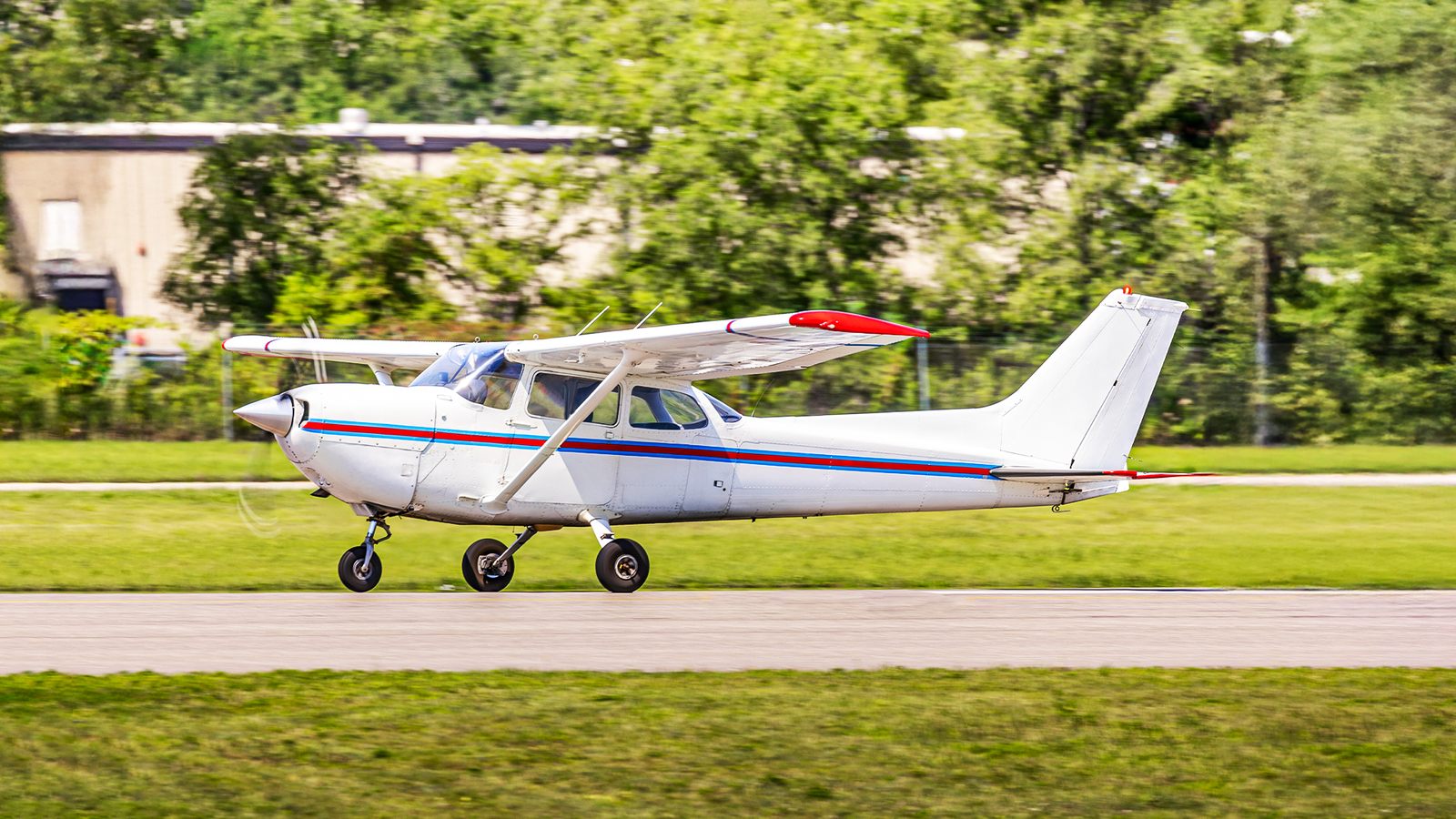
For anyone looking to get into general aviation, the financial aspect is typically one of the first barriers to entry. Depending on how much flying time pilots plan on flying in a year, sole ownership or direct rentals are far from the only avenue to get in the air. A casual aviator looking to spend 50 hours or less in the cockpit per year is typically best served by joining a flying club. If someone is aiming for 50 to 100 hours annually, a partnership with other flyers can offer an excellent option. Fixed costs like hangar rent, insurance, and annual inspections remain constant regardless of how much the aircraft flies. These expenses heavily penalize pilots who let an airplane sit idle. Consequently, shared models become far more attractive at lower hour thresholds, while solo ownership only begins to make sense for highly active flyers. Club members pay a modest monthly fee and an hourly rate only when the aircraft is actually running. As utilization climbs into the 50 to 100-hour range, the per-hour cost of a four-way partnership often beats flying clubs. Some low-cost flying clubs might still look cheaper on paper at 70 or 80 hours; a partnership eliminates the frustration of competing with dozens of club members for weekend bookings. Meanwhile, solo ownership remains difficult to justify even at 100 hours. Why One Airplane Costs So Much For One Pilot Credit: Robin Guess | Shutterstock Sole aircraft ownership is significantly burdened with fixed expenses, resulting in a significant penalty for pilots who fly sparingly. Co-ownership models eliminate this financial bottleneck by changing how these initial expenses are shared. Flying clubs distribute these fixed liabilities across dozens of members through monthly dues and low hourly rates, while small partnerships divide the costs equally. Financial estimates for a typical $100,000 Cessna 172 show annual fixed costs of $16,000 for hangar leasing, mandated annual inspections, Garmin navigation database subscriptions, and engine overhaul escrow. When the owner adds $1,700 for hull insurance and $2,000 for annual depreciation, he confronts thousands in fixed obligations before factoring in the $100 required for every hour of engine operation. The inefficiency of solo ownership at low usage rates is not improved when these fixed bills are amortized over the entire flying period. The actual operational cost of flying 25 hours a year is about $900 per hour. That decreases to $500 at 50 hours and to a more affordable $300 at 100 hours. Keeping a plane grounded provides no relief from the basic financial requirements of ownership, and bills will still come in even if the plane never takes off. How Clubs Spread The Bills Credit: Naj Ativk | Shutterstock Clubs generally use pricing structures with set monthly dues and variable hourly fees. Monthly dues are intended to cover regular fixed expenses such as hangar space, insurance, and annual mechanical inspections. The hourly rate pays for operational costs like fuel. Because these clubs follow Federal Aviation Administration Part 91 regulations, they are non-profit private organizations for members only and cannot lawfully sell flights to the general public. Members of equity clubs must pay a buy-in cost of between $5,000 and over $30,000 in addition to $100 to $300 in monthly dues in order to acquire an actual ownership share. Non-equity clubs, on the other hand, have lower initiation fees, with caps around $2,000, but higher monthly dues to cover leasing costs. For a typical Cessna 172, both provide hourly operating rates between $80 and $140, which is significantly less than a flight school rental. Equity members can recoup their initial capital by selling their share to an incoming pilot, but they remain exposed to aircraft depreciation and must invest the time required to market and sell. Non-equity members own no physical assets, carry zero long-term maintenance liability, and can terminate their membership with minimal notice. Why Two Clubs Flying The Same Airplane Charge So Differently Credit: EvangelineK | Shutterstock Pilot Next's national survey of flying clubs highlights a large gap between individual pricing models. The Hokie Flying Club, which operates out of the Virginia Tech Montgomery Executive Airport, was found to deliver the lowest wet rate. That is, fuel costs are fully included, while maintaining highly accessible monthly dues. Conversely, the TSS Flying Club in Gaithersburg, Maryland, sits near the top of the pricing spectrum, charging the highest hourly operational rates alongside fixed monthly dues that are several times higher than Hokie. Both clubs function strictly as registered non-profits, thus profit margins cannot account for the pricing discrepancy. Metric Hokie Flying Club Skyhawk Flying Club Oregon State Flying Club TSS Flying Club Aircraft Priced Cessna 172M Cessna 172 Cessna 172M Cessna 172S Wet Hourly Rate $94.39 per tach hour $105 per hour $155 per hour $175 per tach hour Annual Dues $600 $1,620 $600 $2,160 Cost Per Hour At 50 Hours A Year $106 $137 $167 $218 First Year Cost At 50 Hours $5,520 Not Published $8,650 $11,010 Commercial flight schools charge by a Hobbs meter that tracks actual clock time, but many flying clubs bill using tachometer time, which counts engine revolutions. Tachometers run significantly slower during taxi and low-power operations, delivering notable savings versus traditional rentals. A comprehensive financial comparison must adjust for this variance, as a tachometer-billed hour frequently yields up to 20% more flight time per dollar than the posted rate indicates. Fleet size, aircraft performance capabilities, and avionics packages explain much of the cost variation. Furthermore, equipment generations skew comparisons, as most clubs operate older legacy airframes while some others invest in modern, high-value Cessna 172S platforms that command higher insurance and debt. The Virginia Tech records characterize Hokie as a small club running a simple fleet of two aircraft for roughly 35 members. TSS manages four high-performance planes, including a complex, retractable-gear Cessna 182 built for fast cross-country cruising. Still, the primary variable changing real flight costs is the specific meter used to measure time. Where A Partnership Overtakes A Club Credit: Robin Guess | Shutterstock In a four-way equity partnership, all fixed costs are divided equally among the co-owners, while each pilot assumes individual responsibility for the direct hourly operating costs of their specific flights. Many models assume each partner logs 50 annual flight hours, with a fleet utilization rate of 200 hours per year. Under this profile, a partner's true operating cost drops to $200 per flight hour, or less than half the expense of sole ownership and comfortably within the price range of flying clubs. Depending on whatever particular flying club is used as the baseline comparison, the financial break-even point varies entirely. The FAA Flying Club requires 99 hours per year to break even, whereas cross-country choices like the Westchester Flying Club require 63. At just 38 flight hours annually, a four-way collaboration becomes the more cost-effective option when compared to expensive groups like the Gaithersburg-based TSS club. Unless a pilot logs more than 1,000 hours annually, the equity partnership is still the more expensive option when compared to ultra-low-cost clubs like Hokie, demonstrating that broad statements about partnership savings are still dependent on local club availability. Considering a probable 10% tachometer-to-Hobbs time adjustment also delivers more actual flight time per dollar. That means an equity partnership requires higher utilization to beat club value. That pushes the break-even threshold against the FAA Flying Club to 264 hours. Prospective co-owners must also carefully weigh theoretical savings against the real-world compromises in scheduling, downtime for maintenance, and the upfront capital to purchase equity. What A Pilot Flying 50 Hours A Year Actually Faces Credit: Robin Guess | Shutterstock For a pilot logging 50 flight hours per year, financial models dictate that the logical choice is between a flying club and an equity partnership. Sole ownership costs roughly $500 per hour at this clock time, sitting far above any shared alternative. However, because regional club pricing varies widely, a pilot at the highest-cost group will pay nearly double the rates of the cheapest local club, making club selection just as critical as the initial decision to join. Entering an equity partnership fundamentally changes the cost conversation. A standard quarter-share buy-in on a $100,000 Cessna 172 ties up $25,000 in cash, and taking out an aviation loan adds significant financing fees that standard cost models omit. Non-equity club members completely avoid this initial capital investment, typically risking only an initiation fee of about $2,000. Long-term maintenance obligations arrive unevenly for equity partners as well. Overhauling a standard four-cylinder Lycoming engine costs between $25,000 and $40,000, forcing co-owners to continuously allocate $15 to $25 per engine hour into an escrow fund. Instead of hitting partners with sudden, massive bills when things break, co-owners proactively fund these expenses by setting aside a specific dollar amount for every hour the airplane flies. In most well-structured equity partnerships, the money contributed to a maintenance escrow fund stays with the airframe rather than the individual. Ultimately, a pilot who values immediate aircraft availability and feels comfortable managing maintenance choices alongside three co-owners will favor a partnership. Those wishing to avoid upfront outlays and owner disputes will choose a non-equity club. Yet, the decision still rests on personal preference as much as the dollars and cents.
Split The Cost: How Flying Clubs & Partnerships Are Making Aircraft Ownership Affordable
Full Article
Original Source
Read the full article at Simpleflying →KhanList aggregates and links to publicly available news content. We do not host full articles from third-party sources. Always verify important information with original sources.