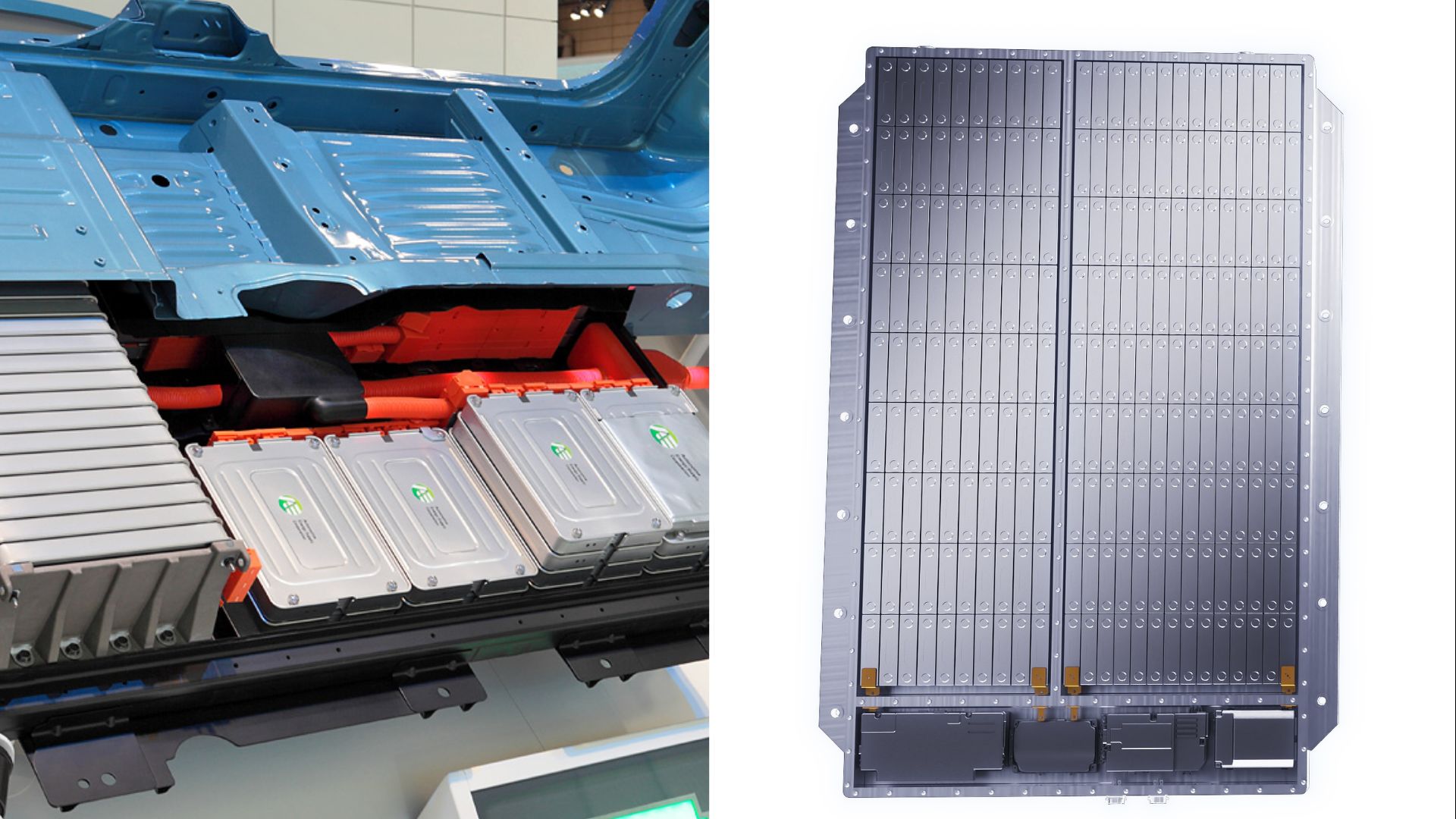
For years, lithium-ion batteries have dominated the electric vehicle (EV) industry. But a new contender is rapidly gaining momentum. Sodium-ion batteries, once considered a laboratory curiosity, are now entering commercial production, with companies such as CATL unveiling second-generation cells and several automakers exploring the technology for future vehicles. The growing interest has led to an obvious question. Could sodium-ion batteries replace lithium-ion batteries? While sodium-ion batteries offer several compelling advantages, they are unlikely to replace lithium altogether. Instead, they could become an important part of a more diverse battery ecosystem. How do sodium-ion batteries work? At first glance, sodium-ion batteries look remarkably similar to lithium-ion batteries. Both generate electricity by shuttling charged ions between a positive electrode (cathode) and a negative electrode (anode) during charging and discharging. The key difference is that lithium-ion batteries use lithium ions, while sodium-ion batteries use sodium ions. That seemingly small change has major implications. Sodium is one of the most abundant elements on Earth and is widely available across many regions, unlike lithium, whose mining and refining remain concentrated in relatively few countries. Because of this, sodium-ion batteries have the potential to reduce supply chain risks while lowering dependence on critical minerals. Why are researchers so excited? The biggest attraction is cost. Lithium prices have fluctuated dramatically over the past decade as EV demand surged. Sodium, by comparison, is inexpensive and widely available, making it an attractive alternative for manufacturers looking to build more affordable batteries. Sodium-ion chemistry also performs well in cold weather, where conventional lithium-ion batteries often experience noticeable reductions in charging speed and driving range. Another advantage is safety. Many sodium-ion designs demonstrate excellent thermal stability, reducing the likelihood of thermal runaway compared with some lithium-based chemistries. Taken together, these characteristics make sodium-ion batteries particularly appealing for lower-cost EVs, grid-scale energy storage, and commercial vehicles where affordability and durability often matter more than maximum driving range. So why hasn’t sodium replaced lithium? The answer comes down to energy density. Lithium is a much lighter element than sodium, allowing lithium-ion batteries to store more energy for the same weight. Modern lithium iron phosphate (LFP) batteries commonly exceed 200 watt-hours per kilogram, while nickel-rich lithium chemistries can achieve even higher values. Although sodium-ion technology has improved rapidly, with commercial cells now approaching 175 Wh/kg, it still trails the best lithium-ion batteries. That means an EV using sodium-ion cells generally requires a larger or heavier battery pack to achieve the same driving range. For compact city cars, this may not be a major issue. For premium long-range EVs, however, every kilogram matters. The future may not be lithium or sodium it could be both Perhaps the most interesting development isn’t replacing lithium batteries at all. Several manufacturers, including CATL, are developing hybrid battery packs that combine lithium-ion and sodium-ion cells in a single vehicle. The idea is to let each chemistry do what it does best. Lithium cells provide high energy density for long driving range, while sodium-ion cells offer strong cold-weather performance, improved durability, and lower costs. Advanced battery management systems can intelligently balance power between the two chemistries depending on temperature, driving conditions, and charging requirements. If successful, these hybrid packs could reduce winter range losses while lowering manufacturing costs without sacrificing overall vehicle performance. Where sodium-ion batteries could make the biggest impact Rather than competing directly with every lithium-ion battery, sodium-ion technology appears best suited to applications where cost and reliability outweigh maximum range. Affordable city EVs, delivery vans, buses, two- and three-wheelers, forklifts, and stationary energy storage systems are all strong candidates. In many of these applications, vehicles return to predictable charging locations, reducing the importance of ultra-high energy density. Long-range luxury EVs, performance cars, and electric aircraft, however, are likely to continue relying on higher-energy lithium-based chemistries for the foreseeable future. So, are sodium-ion batteries a game-changer? Yes but perhaps not in the way many people expect. Sodium-ion batteries are unlikely to replace lithium-ion batteries across the entire automotive industry. Instead, they represent an important new option that could make electric mobility cheaper, more resilient, and less dependent on constrained raw material supply chains.Much like modern vehicles use different engine types for different purposes, tomorrow’s EV market is likely to rely on multiple battery chemistries, each optimized for specific applications. If lithium-ion batteries helped launch the EV revolution, sodium-ion batteries could play a key role in making that revolution more affordable, more sustainable, and accessible to far more people around the world.Recommended ArticlesKaif Shaikh is a journalist and writer passionate about turning complex information into clear, impactful stories. His writing covers technology, sustainability, geopolitics, and occasionally fiction. A graduate in Journalism and Mass Communication, his work has appeared in the Times of India and beyond. After a near-fatal experience, Kaif began seeing both stories and silences differently. Outside work, he juggles far too many projects and passions, but always makes time to read, reflect, and hold onto the thread of wonder.
Sodium-ion batteries explained: Are they really the next big thing for EVs?
Full Article
Original Source
Read the full article at Interestingengineering →KhanList aggregates and links to publicly available news content. We do not host full articles from third-party sources. Always verify important information with original sources.