
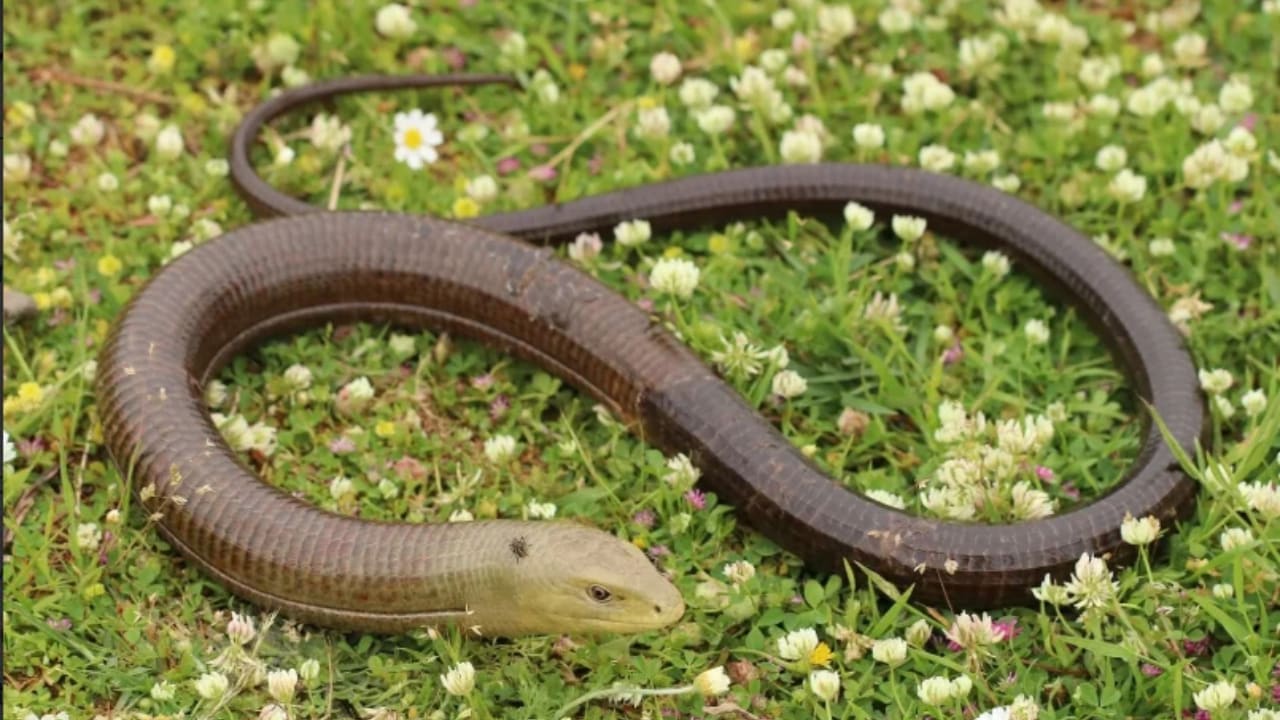
ByMIRIAM SELA-EITAMAUGUST 23, 2026 07:52Ancient Natufians living in northern Israel around 15,000 years ago hunted and ate reptiles after establishing permanent settlements in the region, according to a new study. The study, recently published in Proceedings of the National Academy of Sciences (PNAS), examines the remains of thousands of lizard and snake bones found during excavations at the ‘el-wad Terrace’ archaeological site in the Nahal Me’arot Nature Reserve on Mount Carmel.The excavations were conducted by Dr. Maayan Lev, lead author of the study and a postdoctoral researcher at Kiel University (CAU) in Germany, alongside co-authors Professor Mina Weinstein-Evron and Professor Reuven Yeshurun of the University of Haifa.The site itself includes 20 archaeological layers of repeated settlements over the course of 3,000 years, which researchers have dated to approximately 15,000 and 12,000 years ago using radiocarbon dating.“Lizards and snakes became an important part of their diet during this period,” said Lev.Microscopic images of bones found at the e ‘el-wad Terrace’ archaeological site in the Nahal Me’arot Nature Reserve on Mount Carmel showing ancient cut marks. (credit: Maayan Lev/Kiel University, VIA WALLA)Identifying flint knife incisionspm snake bones for first timeUsing precise and close up examination methods, researchers for the first time were able to identify incisions made by flint knives in consistent locations on the bones of large snakes found at the site.“Through meticulous microscopic examinations, we then were able to distinguish reptile remains that died naturally at the site or were preyed upon by mammals and birds from those that served as food for humans,” said Lev, who also conducts research at the University of Haifa’s Zinman Institute of Archaeology.The bones discovered at the site were identified as those belonging to the large whip snake (Dolichophis jugularis) and the eastern Montpellier snake (Malpolon insignitus).In addition, researcheres found indirect evidence that Natufians also ate the European glass lizard (Pseudopus apodus), though its tougher scales required a different method of butchering.Venomous snakes were rarely caught“Our hypothesis is that the Natufian people preferred to catch reptiles that were relatively large, relatively slow and not dangerous,” explained Lev. “In other words, the glass lizard was an ideal choice, and if none could be found, the hunters would instead catch relatively harmless snakes.""Venomous snakes such as vipers, on the other hand, were rarely caught.”According to Lev, the large amount of bones from “more productive” reptiles, such as the glass lizard, across all 20 of the site’s archaeological layers, suggests that they were a reliable food source for the settling Natufians.“These findings shed light on a hitherto little-studied aspect of the relationship between humans and reptiles in prehistory, and they provide a fascinating insight into the diet of humans before the start of the Neolithic period,” said Lev. The study was carried out as part of the sedentism origins research project, led by Prof. Reuven Yeshurun of the University of Haifa and funded by the Israel Science Foundation.Follow us on Google
Snake snacks? Hunter-gatherer diets in northern Israel included reptiles, new study suggests
Full Article
Original Source
Read the full article at Jpost →KhanList aggregates and links to publicly available news content. We do not host full articles from third-party sources. Always verify important information with original sources.