
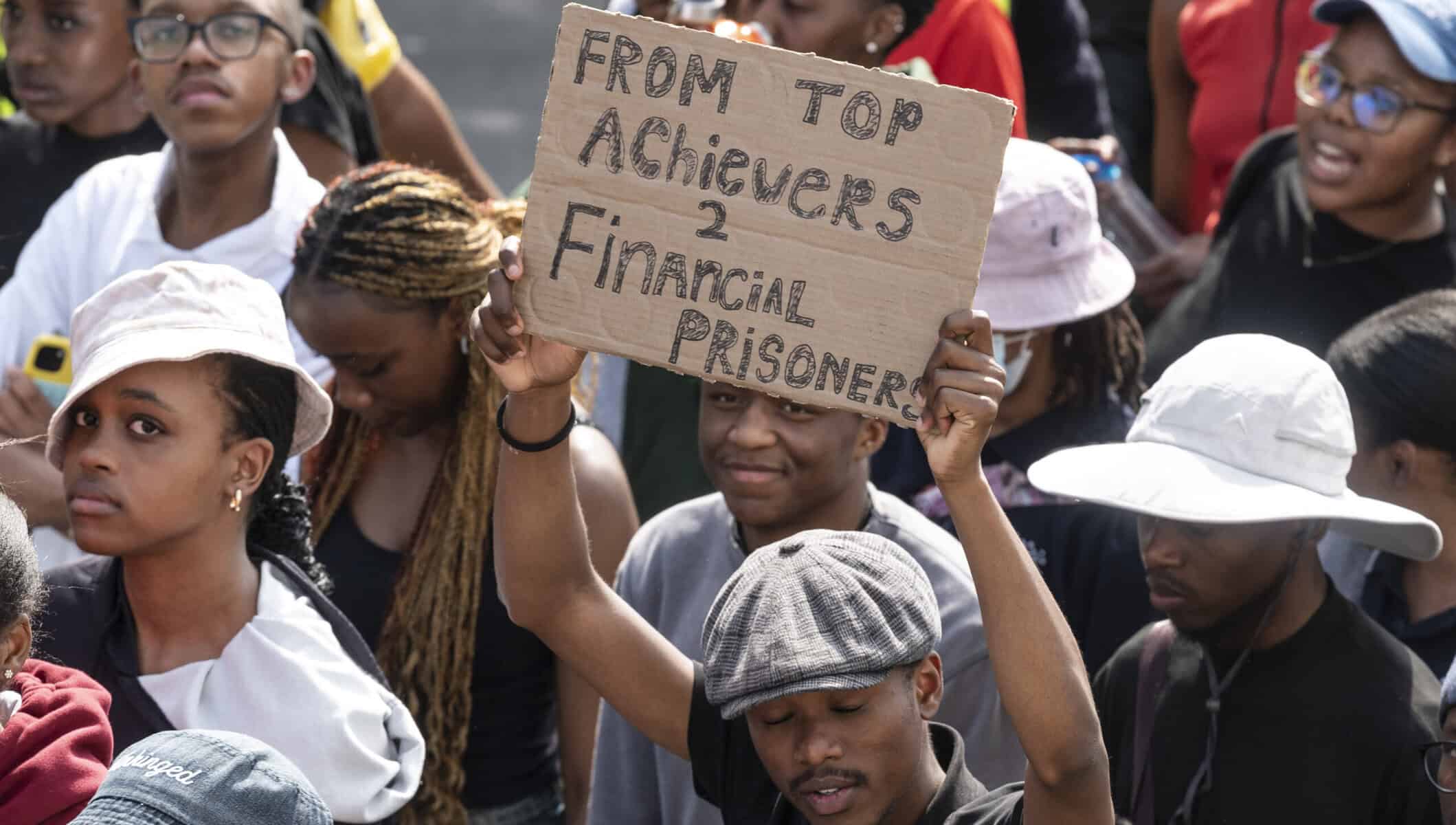
More than 40 000 ineligible students received Nsfas funding after fabricated parental details were used to bypass eligibility requirements. The parents of students who provided fake information on parental status to secure funding from the National Student Financial Aid Scheme (Nsfas) could face criminal charges. However, their children could escape with merely signing admission of debt and repaying a total of R5.1 billion owed to the scheme, the Special Investigating Unit (SIU) says. SIU uncovers widespread Nsfas funding fraud It was found that relatives illegally allowed students to use their personal details to pretend they are the children’s biological parents or legal guardians, which is fraudulent. The report was tabled by the SIU to the portfolio committee on higher education and training where the SIU delegation, led by SIU acting head Leonard Lekgetho, appeared this week. The SIU found wasteful and fruitless expenditure was incurred due to 40 440 ineligible students who mostly obtained Nsfas funding by fabricating parental information to secure the money. They were exposed after Nsfas again checked all students previously approved. Lekgetho last week told a seminar at the North-West University Vaal campus that although parents could face fraud charges, the state was in dilemma over charging the students as they could get criminal records that could ruin their future careers. Thousands of students and institutions under investigation As part of the SIU probe against the 76 institutions affected by the problem, 61 were visited by SIU investigators. So far 24 universities and 37 technical and vocational education and training (Tvet) colleges had been interviewed with 15 yet to face SIU scrutiny. Some had begun to repay the money. The unit is also probing tertiary institutions that owe large sums to Nsfas which it wants them to repay. Nsfas itself was implicated for failing to design and implement financial management controls to ensure an annual reconciliation between the funds disbursed to the tertiary institutions and funds allocated to students. The control weakness led to overpayments and underpayments to different institutions for the past nine years. SIU orders repayment of outstanding Nsfas balances The process to recover the money from universities and Tvet colleges is underway. The SIU said it has visited 58 institutions in all provinces and most are aware of the credit balances due to Nsfas, but they would wait for the close-out process to be completed and signed off. The SIU instructed them to pay a portion of the debt back to Nsfas while waiting for the financial reconciliation to be done and the missing student disputes to be resolved. Some tertiary institutions also used the interest from the amounts owing to Nsfas for daily operations. Others refused to repay the credit balances they owed until Nsfas settled their debt in terms of the agreements it signed with them. They claimed that Nsfas owes them funds for the 2023 academic year. “The SIU has been encountering pushback from some institutions with regard to the credit balances to be repaid to Nsfas. Some institutions are adamant they are not willing to repay Nsfas as they are owed for some academic years,” the report said. Stronger financial controls recommended for Nsfas The SIU recommended an in-depth analysis of the control environment in the Nsfas internal audit division. This must include the assessment of the reconciliation done and the process must be done twice per year for the universities and Tvet colleges. “The SIU recommends that Nsfas performs timely close-out reconciliation of amounts distributed to these institutions. The SIU is of the view this process must not only be done at year end but twice per year to avoid unnecessary misuse of Nsfas funds not distributed to students by the institutions,” the report said.
SIU warns parents behind Nsfas fraud could face criminal charges
Full Article
Original Source
Read the full article at Citizen →KhanList aggregates and links to publicly available news content. We do not host full articles from third-party sources. Always verify important information with original sources.