
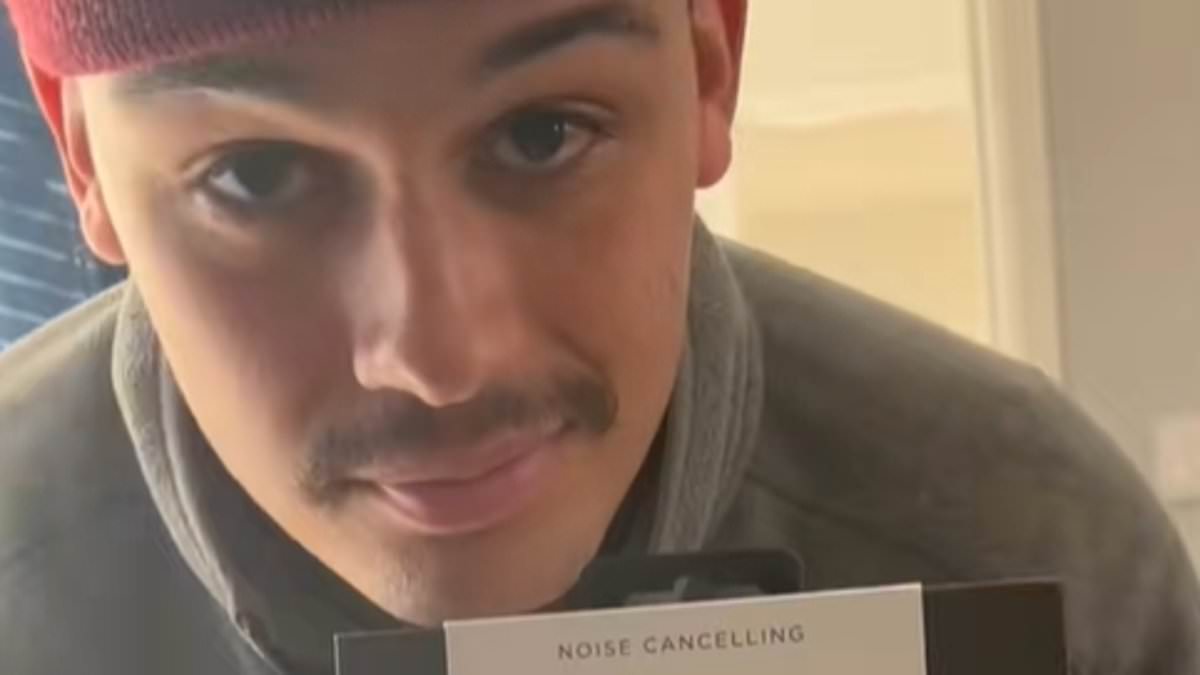
'Sickfluencers' who give advice on making benefit claims are responsible for soaring mental health handouts, senior Tories have said.Social media figures coach people on how to maximise payouts in a system that already 'exploits' those who have depression or milder anxiety, according to shadow work and pensions secretary Helen Whately.Since 2021, the number of people receiving personal independence payment (PIP) for mixed anxiety and depressive disorder (MADD) has soared by 108 per cent.There are now four times as many claims linked to the condition as there are for ADHD.Analysis by the TaxPayers' Alliance this year found claims linked to MADD have risen by nearly a quarter in the past two years alone, while those linked to autism have increased by more than a third. Ms Whately added that campaigners for better mental health have triggered the 'unintended consequence' of a surge in benefit claimants, particularly for anxiety and ADHD.The shadow minister was once a proponent of measures to tackle worsening mental health, recalling that the crusade gave her a 'moral purpose'.But she told The Times the strategy of expanding handouts has gone too far and that many people with milder health conditions would be better supported at work. 'Sickfluencers' who give advice on benefit claims have sparked rising mental health handouts, according to top Tories (Pictured: A 'sickfluencer' showing off a free headphone haul) Shadow work and pensions secretary Helen Whately, pictured, said social media figures coach people on how to maximise payoutsMs Whately accused the Government of 'shying away' from the task of reducing benefit payments while making sure money still goes to those who really need it.PIP is intended to help with the extra costs of living with a long-term health condition or disability and is not dependent on whether someone is able to work.It is also not awarded simply because someone has been diagnosed with anxiety or depression. Claimants must show that their condition significantly affects their ability to carry out everyday tasks.Thousands of users on internet forums are also sharing advice on the best way to describe symptoms and what to include in claims forms, with encouragement to 'lay it on thick'.Researchers from Policy Exchange found this year that many claimants are now using AI tools, such as ChatGPT, to produce model answers and strengthen the wording of their applications even when they have no medical evidence for such claims.The think-tank warned the health and disability benefits system is increasingly at risk of being 'distorted' by sickness influencers who are gaining hordes of followers online by coaching potential new claimants.They produce 'walkthrough guides' on how to ace the process, detail products and services people can demand and lure people in with the suggestion they can help them 'get up to £62k in ADHD support'. Some posts have tens of thousands of views.The report found social media users could be lured into making claims after seeing the content online when they may never have considered doing so otherwise.The pervasive nature of the videos and posts has the impact of 'normalising' a benefits lifestyle and creates an entitlement culture, it added. One TikToker described how she claimed £13,000 using the scheme Separate analysis revealed a surge in disability claims linked to ADHD and autism among teenagers in some of England's most affluent areas.Research by the Nuffield Trust found the rise in PIP claims among 16 and 17-year-olds with the conditions has been 28 per cent faster in the least deprived parts of England than in the poorest.Nine of the ten constituencies with the highest numbers of autism-related claims were also in the South East, bucking the traditional pattern of higher disability benefit claims in more deprived areas.Experts said the unexpected trend could be partly explained by wealthier families having better access to diagnosis and more support navigating the benefits system.A review commissioned by Health Secretary Wes Streeting found private providers were routinely misdiagnosing ADHD in children and raised concerns that 'institutional incentives' in the education and welfare systems could encourage families to pursue a diagnosis. Meanwhile, a record one in seven people in England were prescribed antidepressants last year.More than nine million patients received the drugs – up nearly 15 per cent in five years, according to the NHS Business Services Authority.The proportion of adults experiencing significant symptoms of depression also remains almost twice as high as before Covid, rising from 9.7 per cent in 2019 to 18 per cent in April 2025, according to the Office for National Statistics. Rates are even higher among younger adults, with 26 per cent of 16 to 29-year-olds affected – more than one in four.And 2.8 million working-age Britons are out of work because of long-term sickness, including depression, anxiety and other mental health conditions, compared with just over two million before the pandemic.The Conservatives have unveiled plans to cut the welfare bill by £36billion – an estimated £13.7bn will be slashed through tighter rules for those claiming disability and sickness benefits.Those with lower-level mental health conditions would no longer be able to claim PIP under the proposals, while existing claimants will be subject to tougher rules.
'Sickfluencers' accused of 'coaching people' on how to make mental health benefit claims for anxiety, ADHD and other conditions
Full Article
Original Source
Read the full article at Dailymail →KhanList aggregates and links to publicly available news content. We do not host full articles from third-party sources. Always verify important information with original sources.