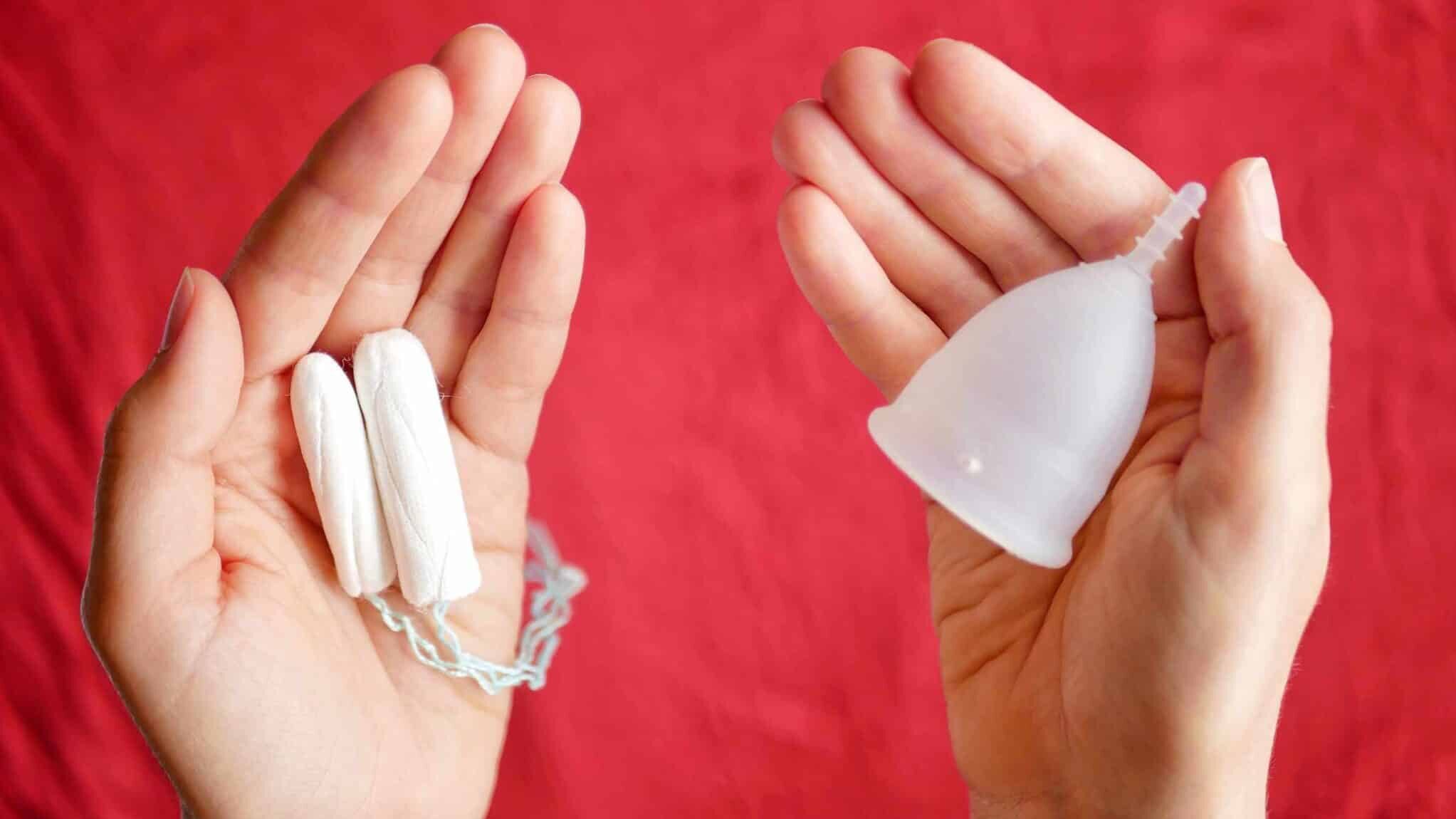
Illustration. Jamin Mahmood of Vulvani/Wikimedia Serbian women’s rights organisations say they feel encouraged by developments in neighbouring Montenegro, which has adopted law changes introducing two paid days of “menstrual leave” per month for women diagnosed with secondary dysmenorrhea, or severe menstrual cramp. “It has generated considerable enthusiasm among women. It feels like a very progressive idea and a major step forward, especially if we take into account that no country in the wider region has a law introducing such measures,” said Ljiljana Todorovic Jovanovic, founder of the FemIn Collective, a women’s rights NGO from Pozarevac. The news from Montenegro has been hailed by Serbian women’s rights groups but criticised by some of the general public, activists said. “Part of the general public welcomed the move and expressed hope that something similar would be introduced in Serbia. However, another part interpreted the news as meaning that women had been granted some kind of privilege,” Ana Mirkailo, an activist from Befem, a Belgrade-based feminist cultural centre and NGO founded in 2009, told BIRN. She added that this divided reaction didn’t surprise her but “served as a reminder of how much work still needs to be done in this area”. Spain was the first country in Europe to introduce paid “menstrual leave” in 2023, followed by Portugal, which has allowed up to three consecutive paid days off per month since 2025 for people experiencing disabling pain caused by diagnosed endometriosis or adenomyosis. The Montenegrin measure applies to women suffering from serious conditions such as endometriosis, uterine fibroids, endometrial polyps, ovarian inflammation and polycystic ovary syndrome. According to the explanatory note accompanying the legislation, the amendments are intended to properly regulate diagnosed pathological conditions, eliminate prejudice against women in the workplace, and help balance their health needs with professional obligations. Todorovic Jovanovic said women in Serbia with menstrual health problems can already take ordinary sick leave, during which they receive 65 per cent of their salary. The problem, however, is that employers do not always respond well when employees request sick leave. “On paper, the law allows workers to take sick leave simply by visiting a doctor, but there are employers and workplaces where taking leave is effectively impossible – whether to care for a child, because of illness, or due to menstrual health problems,” Todorovic Jovanovic said, adding that even if a similar law as Montenegro’s were adopted, the question of implementation in practice would remain. For years there have been attempts in Serbia to address menstrual health issues as part of women’s general health, and put them up for discussion. Last year, a Menstrual Justice Initiative was established in Serbia, bringing together researchers and several women’s organisations from across the country. The initiative was created to advocate for greater recognition of menstrual health and related rights. The latest law changes in Montenegro have given Menstrual Justice Initiative fresh momentum. “Women’s organisations actively monitor and listen to the communities they work with, and it is important to respond to that momentum. Legislative initiatives of this kind should originate from women’s organisations and be developed in cooperation with political actors who demonstrate a genuine willingness to support them,” Mirkailo said. Both Todorovic Jovanovic and Mirkailo agreed that menstrual leave is not a “privilege” and that the question of menstrual leave is not only a question of health but of obtaining work-based rights for those who need them. Todorovic Jovanovic, from Femin Collective, which is a member of the Menstrual Justice Initiative, explains that two main advocacy models are being pursued in the region. The first focuses on reducing VAT on menstrual products, while the second concerns the introduction of “menstrual leave”, as in Montenegro. North Macedonia currently has the lowest VAT rate on menstrual products in the region, at 5 per cent, compared with 20 per cent in Serbia and 21 per cent in Montenegro. “What we have been considering is initially directing our advocacy efforts towards reducing VAT, based on research conducted by the Gender Knowledge Hub, which reported in 2023 that women needed about 8,300 dinars (70 euros) a year to cover the cost of menstrual products,” Todorovic Jovanovic said. She explained that this becomes particularly significant when it is considered how many women come from socially disadvantaged groups and cannot afford these essential products.
Serbian Feminists Expect Boost From Montenegro’s Menstrual Leave Law
Full Article
Original Source
Read the full article at Balkaninsight →KhanList aggregates and links to publicly available news content. We do not host full articles from third-party sources. Always verify important information with original sources.