
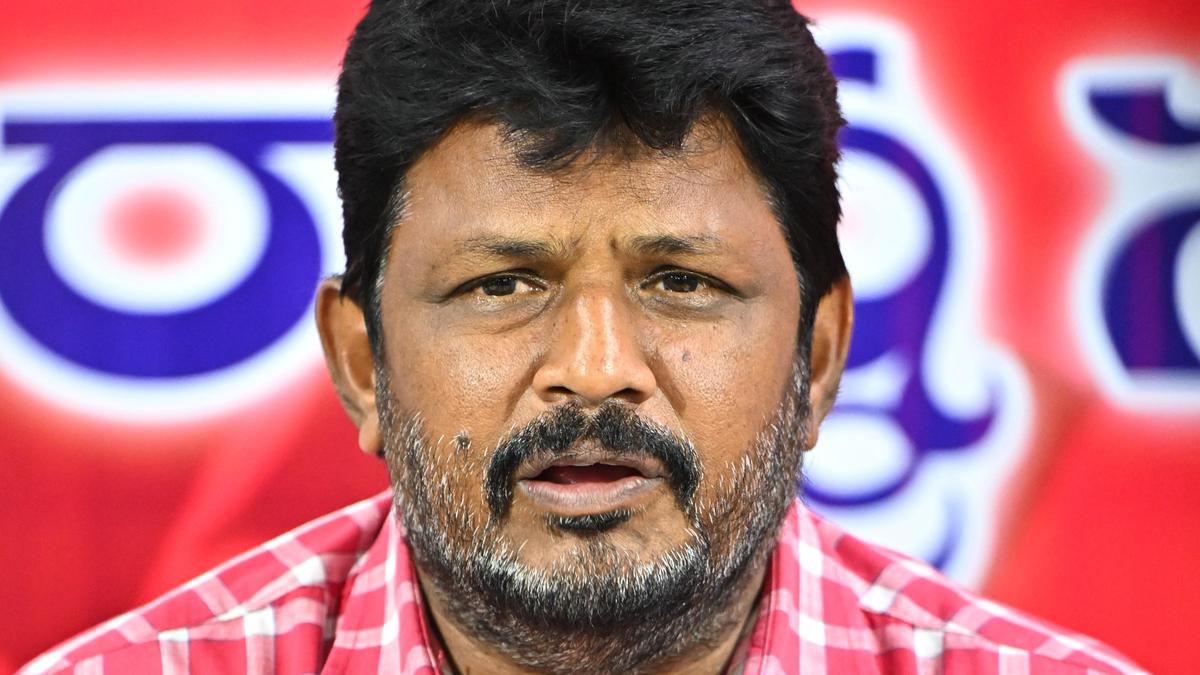
CPI State secretary G. Eswaraiah also flags pending dues to network hospitals and highlights severe existing deficiencies in public healthcare delivery in the State. | Photo Credit: File Photo The Communist Party of India (CPI) Andhra Pradesh State Council has opposed the government’s decision to hand over 10 out of 17 government medical colleges to private corporate entities under the Public-Private Partnership (PPP) model.In an open letter, dated November 12, addressed to Chief Minister N. Chandrababu Naidu, CPI State secretary G. Eswaraiah urged the government to withdraw the move and focus on strengthening public healthcare.He raised concern over transferring teaching hospitals and medical colleges built with public funds to private organisations under a long-term lease arrangement of 33 years allegedly for a nominal amount of ₹100.Pointing out that the estimated expenditure to develop and operate the 10 colleges was approximately ₹8,480 crore, the CPI leader argued that the government should utilise its resources to complete and operate these institutions under state management.In the letter, Mr. Eswaraiah said that commercialising healthcare would force ordinary families into debt, and that government hospitals must remain accessible and affordable for the poor.The CPI leader highlighted severe existing deficiencies in public healthcare, including shortage of doctors, specialist staff, nurses, technical personnel, and properly maintained diagnostic equipment.Mr. Eswaraiah also drew attention to mounting financial pressures, noting that pending dues to network hospitals were reported to be around ₹2,700 crore in 2025 and escalated to ₹3,000 crore by January 2026, which severely impacted patients relying on cashless treatment.To address these issues, he put forward a seven-point charter of demands, urging the government to scrap the PPP plan, complete all 17 colleges under state control, ensure transparency regarding lease and funding agreements, clear all outstanding dues to network hospitals, fill vacant staff posts, repair medical equipment, improve essential services like the ‘108’ and ‘104’ ambulances, and conduct open public consultations with medical experts and political parties.Mr. Eswaraiah said public healthcare was a fundamental social responsibility rather than a business opportunity, urging the administration to safeguard the people’s right to accessible medical care. Published - November 18, 2026 06:30 pm IST
Scrap PPP model of developing government medical colleges, demands CPI
Full Article
Original Source
Read the full article at Thehindu →KhanList aggregates and links to publicly available news content. We do not host full articles from third-party sources. Always verify important information with original sources.