
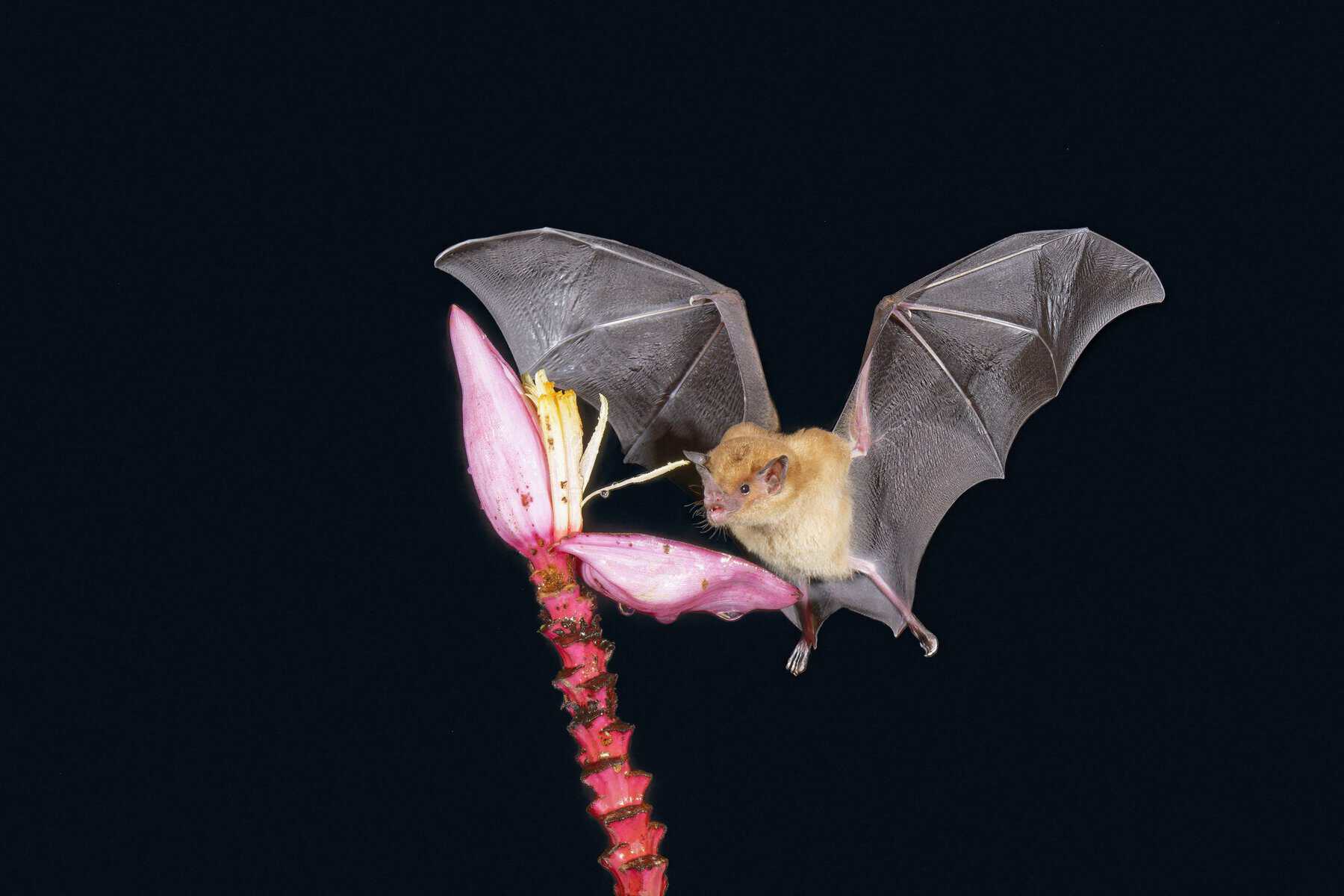
The forests around San Ramón shelter at least 56 bat species, nearly half of all those recorded in Costa Rica, according to researchers at the University of Costa Rica (UCR) who are studying how these often-misunderstood mammals cope as their habitat is broken up by farms, pastures and towns. The work is led by UCR’s Western Campus in San Ramón, where scientists and students are tracking how bats respond to changes in their surroundings and what that means for forests and farming. One study sampled seven sites in and around the Alberto Manuel Brenes Biological Reserve to examine how forest fragmentation and degradation affect bat populations. Researchers captured and studied 407 bats from 39 species, including 10 species that had never before been documented in the area. Those new records helped raise the known total for the wider San Ramón region to at least 56 species. UCR researcher Daniel Zamora said the findings show the importance of protecting not only large, continuous forests but also the smaller patches of vegetation that link one habitat to another. Landscapes that mix farms, pastures, forest and homes, he said, can still support remarkable biodiversity. One encouraging result was the abundance of fruit-eating bats. By dispersing seeds, they help plants spread and drive the natural regeneration of tropical forests. Other species eat insects, which could make them valuable to farmers. UCR graduate student Katherine Álvarez is studying whether insect-eating bats help control pests that attack potato crops in Cartago, with the aim of producing evidence that supports conservation and encourages growers to see bats as allies. The university is also looking at how bats adapt to cities, including the role of protected green spaces in San Ramón and Liberia. Researchers are combining field surveys with acoustic monitoring, which records bats’ echolocation calls, to map where different species live and how they respond to changing environments. A recent urban wildlife survey in Heredia found similar surprises in city green spaces. Other studies are examining parasites carried by bats, and a project on their anatomy and evolutionary relationships is planned for 2027. Alongside the science, the program runs environmental education activities aimed at dispelling myths about bats. Researchers work with students, community groups, landowners and conservation organizations to share what they find and build support for protecting the animals.
San Ramón Forests Hold Nearly Half of Costa Rica’s Bat Species
Full Article
Original Source
Read the full article at Ticotimes →KhanList aggregates and links to publicly available news content. We do not host full articles from third-party sources. Always verify important information with original sources.