
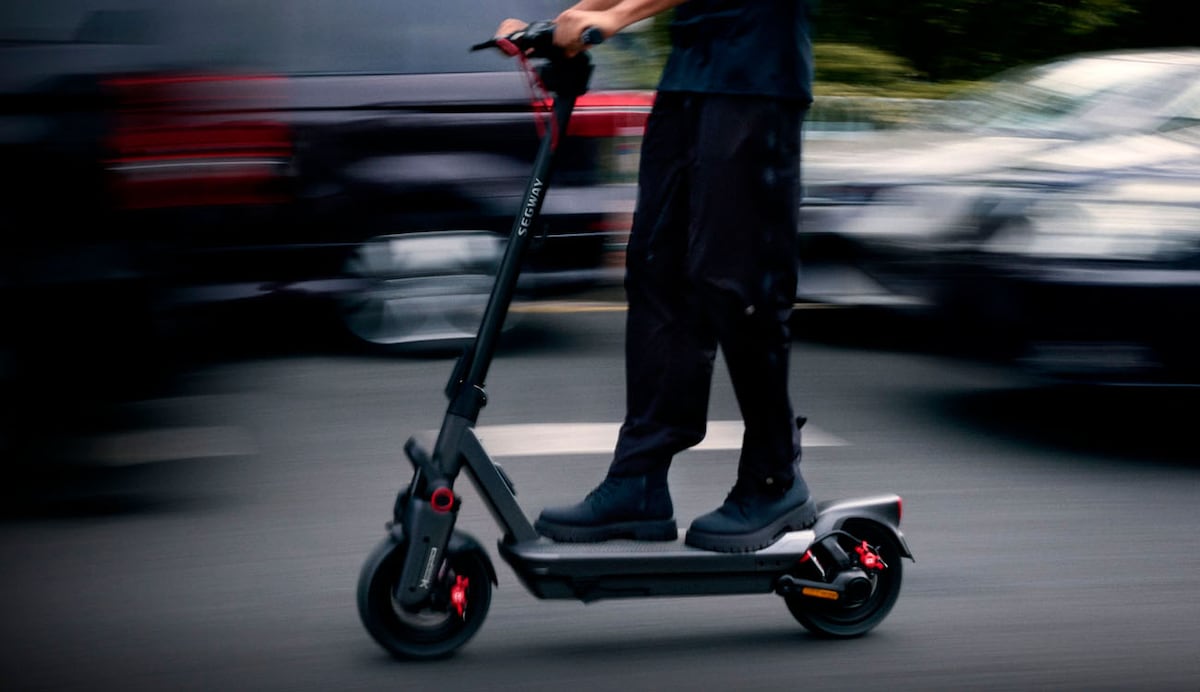
Electric scooter users face a higher risk of brain and internal organ injuries than motorcyclists and cyclists. That is what a study published this summer claims. The study analyzed data from more than 15,000 patients.It was carried out in England, but its data could be extrapolated to other similar settings. “The dataset is large and, in addition, rental companies use the same models; for example, Lime also operates in Spain,” David Bodansky, a trauma surgeon and author of the study, says in a message exchange.The analysis was done only with dockless rental scooters. The reason, Bodansky explains, is that these tend to follow a standardized model, unlike privately owned scooters, which vary widely. This is not a minor point: the design of these vehicles can make riders more likely to be thrown headfirst in a collision.Another factor contributing to their greater danger is helmet use, which is almost non-existent among scooter riders. Only 5.9% wear helmets, compared with 75.7% of motorcyclists and 45.0% of cyclists. The authors propose legislating to make this protective measure mandatory.The British study’s researchers found that adults using electric scooters had a 3.5 times higher risk of traumatic brain injury, a 1.5 times higher risk of internal organ injuries and a 3.2 times greater risk of arterial or venous damage compared with motorcyclists. Compared with cyclists, those risks were also higher: 1.7 times, 1.4 times and 1.7 times, respectively.In 2017 the electric scooter stopped being a toy and became a vehicle. Rental companies began to pop up, filling cities with scooters. They showed up abandoned on sidewalks, zipping along streets and roads. They were everywhere. No license was required to operate them, nor great skill, nor a large financial outlay. They were a fast, convenient and cheap means of transportation. That, together with a lack of regulation, made the electric scooter one of the most used forms of personal mobility in large cities — and also one of the most dangerous.Women and the disadvantaged face higher riskBodansky’s team performed an additional analysis of 23,193 collisions and scooter accidents self-reported by users, and found that men had a 36% lower risk of collision than women and that women were 2.1 times more likely to report serious injuries. That is a surprising figure, since men usually show higher crash rates than women in almost every available study. “It’s possible that the number of men injured in car crashes is higher because they travel more kilometers than women,” Bodansky suggests. Studies back up this idea and add that men tend to take more risks behind the wheel and drive under the influence of alcohol or drugs more often than women.In the case of scooter rentals, those differences narrow. The higher injury rate among women, the authors say, could be due “to the fact that most electric scooters are designed according to male body proportions and to previous findings that women are more likely to ride on sidewalks and unpaved surfaces.”Bodansky and his collaborators geolocated the accidents. That approach revealed socioeconomic trends and factors that had been little explored: accidents were concentrated in more disadvantaged areas, while injury severity showed a moderate association with higher income levels.In any case, these types of accidents are evolving. Massive electric scooter use is also changing user profiles, the risks they take and how they share space with larger, potentially more dangerous vehicles. That is why experts recommend continued study of how to improve their safety and design, and adopting measures like those that will come into force in Spain this fall.Sign up for our weekly newsletter to get more English-language news coverage from EL PAÍS USA Edition
Riding electric scooters multiplies the risk of serious injuries compared with cycling or motorcycling
Full Article
Original Source
Read the full article at English →KhanList aggregates and links to publicly available news content. We do not host full articles from third-party sources. Always verify important information with original sources.