
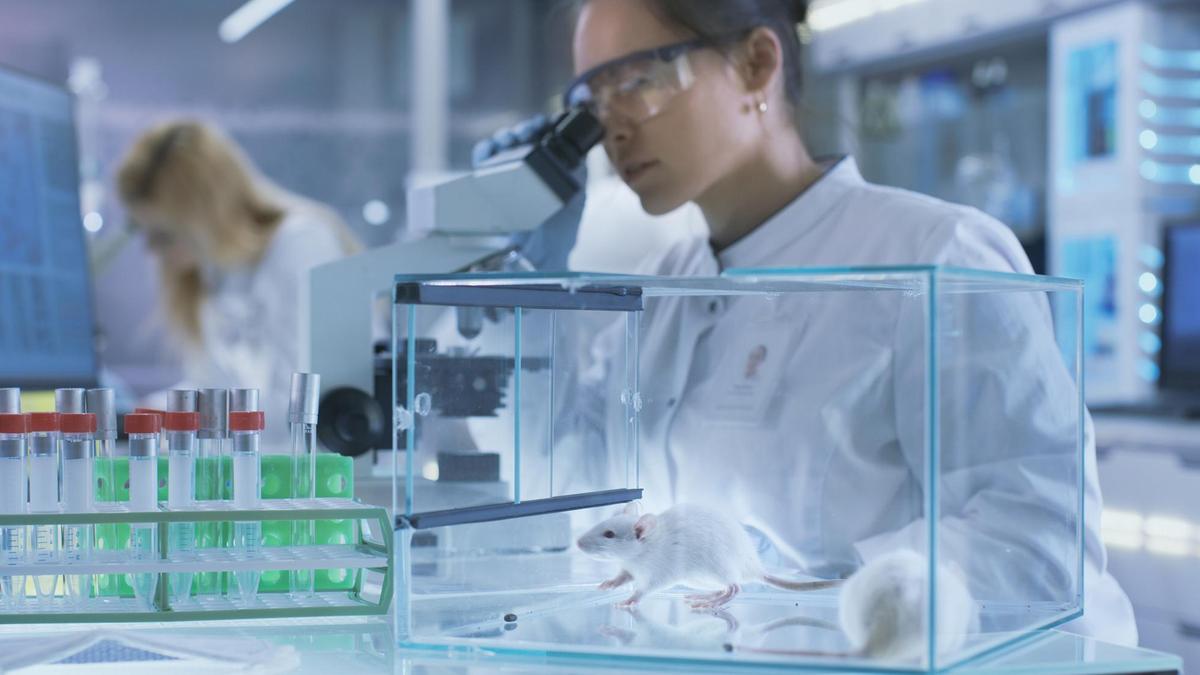
About 20 weeks after treatment, mice receiving the enzyme-producing bacteria had a significantly improved insulin sensitivity and modestly improved glucose tolerance, compared with mice receiving a non-enzyme-producing bacterium |Image used for representational purpose only | Photo Credit: Getty Images Researchers have identified changes in the metabolic activity of the gut microbiome associated with exceptional longevity in humans, and found that amplifying the same activity in aged mice using engineered bacteria improved metabolic health.Published in the journal Cell Metabolism, the team's study suggests that specific age-related changes in the gut microbiome may be protective adaptations rather than signs of decline, and could potentially be harnessed to support healthier aging.Senior author Amir Zarrinpar, chair in circadian biology and medicine, and professor of medicine at the University of California San Diego, said while many studies on aging focus on what goes wrong as one grows old, the findings suggest "some changes in the gut microbiome may actually represent the body's attempt to preserve metabolic health"."If we can identify those beneficial functions and safely strengthen them, we may eventually be able to develop new ways to promote healthier aging," Zarrinpar said.The gut microbiome, the community of bacteria and other microbes living in the digestive tract, is known to change throughout life and plays an important role in metabolism and inflammation, among other aspects of health.Studies have also found distinctive microbiome features among people who age exceptionally well.The researchers focused on how gut microbes modify bile acids, substances produced by the liver that help digest fats but also act as signalling molecules in the body.Studying young and aged mice, they found that aging was associated with an increased microbial activity linked to enzymes called bile salt hydrolases. These enzymes chemically modify bile acids, allowing them to influence pathways involved in metabolism, inflammation and the body's internal clock.The team also found greater bile acid modification in the mice.To determine patterns in humans, they reanalysed publicly available data from a human ageing cohort, analysing bile acid measurements from 48 young adults, 107 older adults and 125 centenarians.The centenarian group showed higher ratios of modified bile acids than both younger groups. An analysis of microbiome data also revealed a greater abundance of a gene associated with bile salt hydrolase activity among centenarians compared with the older adult group.Further, aged mice -- 82-week-old mice -- were introduced with a strain of bacteria native to the gut engineered to continuously produce bile salt hydrolases.About 20 weeks after treatment, mice receiving the enzyme-producing bacteria had a significantly improved insulin sensitivity and modestly improved glucose tolerance, compared with mice receiving a non-enzyme-producing bacterium.By 32 weeks, the treated mice also showed changes consistent with a lower body weight and fat mass and a greater lean mass. Other findings pointed to an increased use of fat for energy, improved mitochondrial function and changes in gene activity related to inflammation and the body's internal clock. Published - November 18, 2026 07:08 pm IST
Researchers boost gut microbial activity linked to longevity in aged mice, find improved metabolism
Full Article
Original Source
Read the full article at Thehindu →KhanList aggregates and links to publicly available news content. We do not host full articles from third-party sources. Always verify important information with original sources.