
In 1978, a 12-year-old girl told authorities her stepfather had raped her. A grand jury indicted him, but he fled the state and was never convicted.That girl is Amy Acton, now the Democratic nominee for governor of Ohio. Last week, her Republican opponent, Vivek Ramaswamy, put millions behind an ad in which Acton’s estranged mother calls her a liar, casting doubt on Acton’s accounts of growing up poor and suffering abuse.I’m not writing to tell Ohioans how to vote. I’m writing because I lead an organization that represents abused children across the nation pro bono, and the alleged crime at the center of this ad, child sexual abuse, still demands action from lawmakers on both sides of the aisle. Acton’s story is one that millions of people have lived. Abuse within the family is among the most common forms of child sexual abuse, often among the most harmful, and among the least reported. Making matters worse, the law routinely treats sexual abuse by family members more leniently than abuse by strangers, and 95% of child molesters are never convicted and sentenced to jail.Family members commit about 30% of child sexual abuse, and strangers about 5%. The danger usually isn’t a stranger in a van. It’s someone at the dinner table.Who walks by your home matters far less than who lives in it. In one landmark study, girls raised with stepfathers were about eight times more likely to be sexually abused than girls raised by their biological fathers: 17% versus 2%. Children living with a parent’s unmarried partner face roughly 20 times the rate of those living with married biological parents.Abuse within the family can continue for years. The abuser has a house key, and the child may have nowhere to go. And it doesn’t stop there. About half of incest offenders admitted abusing children outside the family, too.This is also the abuse children are least likely to report. Telling is hardest when the abuser is someone the child loves and depends on. Children may wait years to disclose abuse, if they ever do, often because they fear no one will believe them.That fear is not unfounded. Children are more likely to recant a true account when family members doubt them. Yet research suggests intentionally false reports of child abuse are uncommon. In a major Canadian study, only about 4% of reports were found to be intentionally false, and children were among the least likely to make them.The result is silence, and too often, impunity. Up to 90% of child sexual abuse is never reported, and fewer than 4 in 100 reported sex crimes end in a conviction. Most people who sexually abuse children are never held criminally accountable.When abusers are caught, the law often goes easier on relatives. Research has found that some states provide incest offenders with lighter charges or sentencing options unavailable to offenders who are strangers to their victims. Washington state and Hawaii, for example, have special sentencing provisions for certain offenders related to or close to the child.Criminal accountability is only part of the problem. Child welfare agencies are also responsible for protecting children when their homes are unsafe. I’ve seen them fail firsthand.In one of our cases, an agency worked to send a 9-year-old girl home to parents who had duct-taped her down and abused her night after night. We intervened to stop it and thankfully won.But what about the children no one steps in for? Of the children who left foster care in 2019 after removal for sexual abuse, nearly half were reunified with their abusers, according to research.The standards and oversight for leaving children in place or sending them back to perpetrators are chillingly insufficient.In many jurisdictions, the safety measure is “voluntary in-home services,” which means leaving children with offenders who “promise” to attend parenting classes.In Pennsylvania, a manual advises social workers on “safely” returning children to pedophiles, suggesting “strict bedtime rules” and installing locks or alarms on doors, including the bathroom and the perpetrator’s bedroom.That’s not an exception. It’s the rule. Based on a recent analysis of federal data, of children exiting foster care in 2019 who were removed due to sexual abuse, nearly half were reunified.These failures are not inevitable. Lawmakers can take three steps to better protect children.First, improve accountability. More than 95% of reported cases never end in a conviction. States should examine why cases fail and strengthen investigation and prosecution. They should also ensure survivors have a meaningful opportunity to seek justice by extending criminal statutes of limitations where necessary. Many survivors need years before they can disclose what happened to them.Second, close the incest loopholes. A child rape is a child rape. States should eliminate exceptions that reduce criminal charges, sentencing consequences, registration requirements, or risk classifications because an offender is related to the child. Being a child’s father should never make the crime less serious.Third, put child safety first in reunification decisions. Federal law already permits states to bypass certain reunification efforts when a court finds that a parent subjected a child to aggravated circumstances, including specified forms of extreme abuse. States should ensure that child sexual abuse is appropriately addressed under these provisions and that children are not returned to dangerous homes.LESS RED TAPE, NO ‘ORPHAN TAX’: HOW TRUMP’S ACF STOPPED BUREAUCRATS FROM ROBBING FOSTER YOUTHNone of this is partisan. People can disagree about candidates, policies, and the direction of their state while agreeing that protecting children from sexual abuse is a responsibility that transcends politics.Somewhere tonight, a child is deciding whether to tell her mother. When she does, the adults around her should listen and protect her.Darcy Olsen is the founder and CEO of the Center for the Rights of Abused Children.
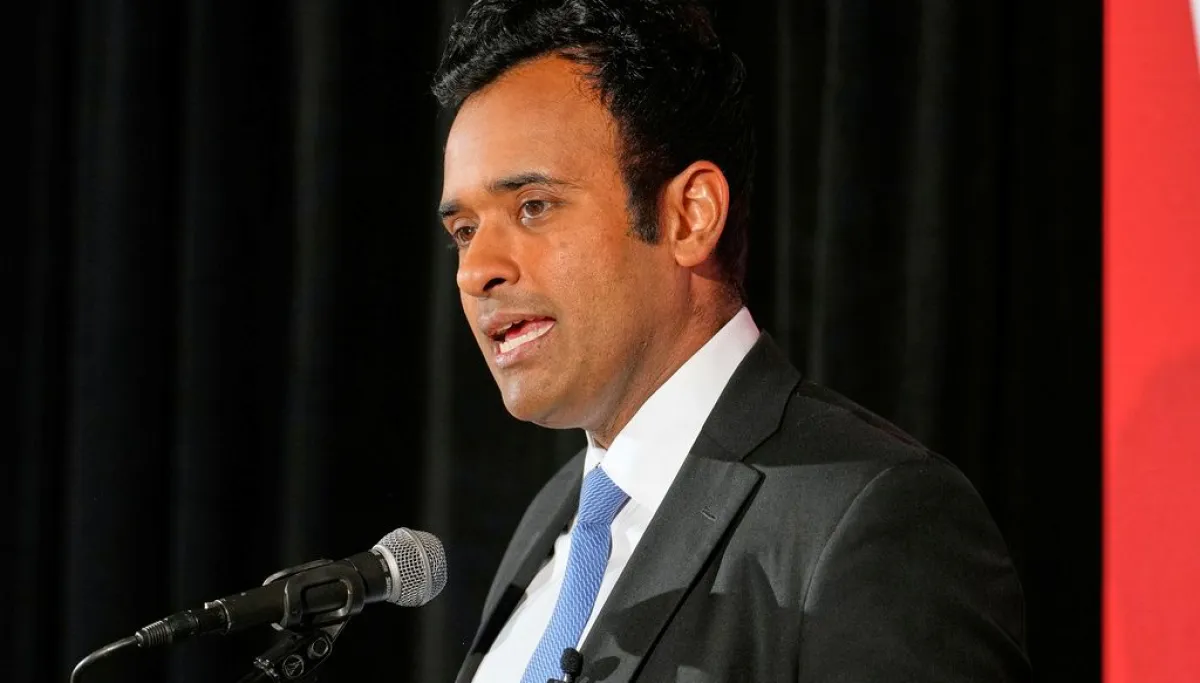
Ramaswamy’s ugly Ohio ad points to a crisis in plain sight
Full Article
Original Source
Read the full article at Washingtonexaminer →KhanList aggregates and links to publicly available news content. We do not host full articles from third-party sources. Always verify important information with original sources.