
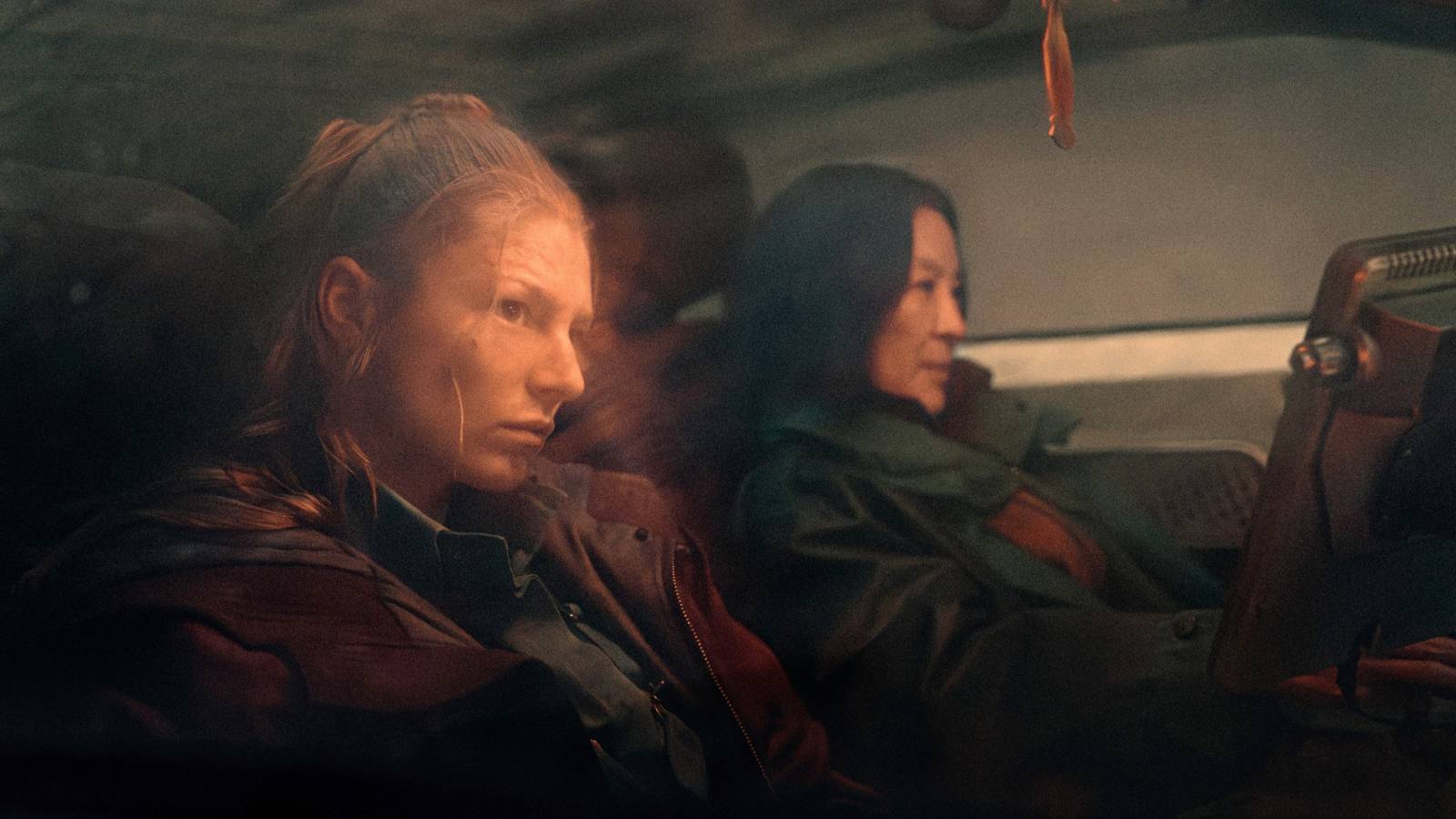
Published Nov 28, 2026, 12:30 PM EST Ben Sherlock is a Tomatometer-approved film and TV critic who runs the massively underrated YouTube channel I Got Touched at the Cinema. Before working at Screen Rant, Ben wrote for Game Rant, Taste of Cinema, Comic Book Resources, and BabbleTop. He's also an indie filmmaker, a standup comedian, and an alumnus of the School of Rock. It’s been five years since Ridley Scott first announced that a Blade Runner TV series was in the works. It’s been four years since the title Blade Runner 2099 was unveiled, three years since filming was postponed by the SAG-AFTRA strike, and two years since the production officially wrapped. Now, after all those years of iteration and hard work and unfortunate circumstances, Blade Runner 2099 is finally available to binge in an eight-hour sprint. Prime Video has dropped all eight episodes of Blade Runner 2099 at once, like Spider-Noir or Neagley or Carrie, so we won’t have that interminable week-to-week wait, like The Boys or Reacher. You can get stuck right in, and catch up on this latest jaunt through dystopian future Los Angeles over the weekend. I’ve been looking forward to this show since Amazon first ordered it, and having now voraciously consumed the entire thing, I’m glad to say it was worth half a decade of anticipation. Blade Runner 2099’s muddled plotting and overly esoteric dialogue make it a little hard to follow at times (although, to be fair, that’s par for the course for the Blade Runner franchise), but its gorgeous visuals, sumptuous synth score by Leopold Ross that would’ve made Vangelis proud, and two powerhouse performances by Michelle Yeoh and Hunter Schafer are more than enough to make up for it. Blade Runner 2099 Plays Like An 8-Hour Movie Although it’s billed as a TV series, Blade Runner 2099 feels less like episodic television and more like an eight-hour Blade Runner sequel that was way too long for theaters. It certainly doesn’t look like TV; its visual effects and practical sets are more impressive and cinematic than most of the big-budget big-screen output coming out of Hollywood recently. Much like Denis Villeneuve’s Blade Runner 2049, the series recaptures the moody atmosphere of Ridley Scott’s original film while expanding on the worldbuilding and the visual language. 2049 took us to a desolate, post-apocalyptic Las Vegas, and the final battle was half-submerged in the ocean. 2099 takes us to a slowly melting Alaska, flashes back to those oft-mentioned off-world colonies, and completely reinvents the signature Blade Runner aesthetic. It’s still faithful to the cinematic ethos that Sir Ridley established in his seminal original, but it tweaks the color palette to suit its own tone and narrative. The look of Blade Runner 2099 is every bit as hauntingly dystopian and chillingly isolating as the movies, but the incessant rainfall and dark shadows have been replaced with refreshing rays of sunlight. Showrunner Silka Luisa has described Blade Runner 2099’s warm cinematography style as “sunshine noir.” Where the movies’ rain-battered urban decay reflected the bleakness of our inevitable self-inflicted doom, the TV show’s softer, sun-soaked visuals reflect the hope of a brighter future. Blade Runner 2099's Cast & Visuals Are Excellent Blade Runner 2049 flipped the first film on its head. Where the first movie had followed a human blade runner who begins to suspect he’s a replicant, the second one followed a replicant blade runner who begins to suspect he’s human. Blade Runner 2099 flips the script on a grander scale, taking place in the aftermath of a replicant uprising that turned the tables on the social hierarchy. Now, the androids are the ruling class, and the humans are relegated to all the menial jobs they used to make their robot butlers do. The oppressed have become the oppressors. It was an ingenious way to disrupt the status quo while keeping the core themes intact. Blade Runner 2099 puts a fresh spin on Deckard and K’s stories. Blade Runner and Blade Runner 2049 are both lone-wolf stories about brooding blade runners who work alone, but Blade Runner 2099 is a “buddy cop” story pairing up a replicant and a human disguised as a replicant. Olwen and Cora are a classic buddy-cop duo — the jaded veteran on the brink of retirement and the budding young hotshot with a dark past — and Yeoh and Schafer are perfectly cast in their roles. Yeoh’s blade runner is basically a Terminator with a fear of dying, and she captures both the badassness and the vulnerability, while Schafer is able to show Cora’s secret weighing down on her without saying a word. In many ways, Blade Runner 2099 is a stealth remake of Eddie Murphy’s debut film. An uneasy alliance between a cop and a criminal in a race against time to track down an escaped gang is the exact same premise as Murphy’s first movie, 48 Hrs., with Yeoh in the Nick Nolte role; it’s 48 Hrs. in a cyberpunk future. Blade Runner 2099 is a very different kind of Blade Runner story — the sun is shining, the cops have to work together, and the replicants are running the show — but it’s very much in the same thoughtful, celestial, mind-bending spirit as its cinematic predecessors. Blade Runner 2099 Release Date 2026 - 2026-00-00 Network Prime Video Showrunner Silka Luisa Directors Jonathan van Tulleken Cast
Prime Video's New 8-Part Cyberpunk Thriller Is The Perfect Weekend Binge
Full Article
Original Source
Read the full article at Screenrant →KhanList aggregates and links to publicly available news content. We do not host full articles from third-party sources. Always verify important information with original sources.