
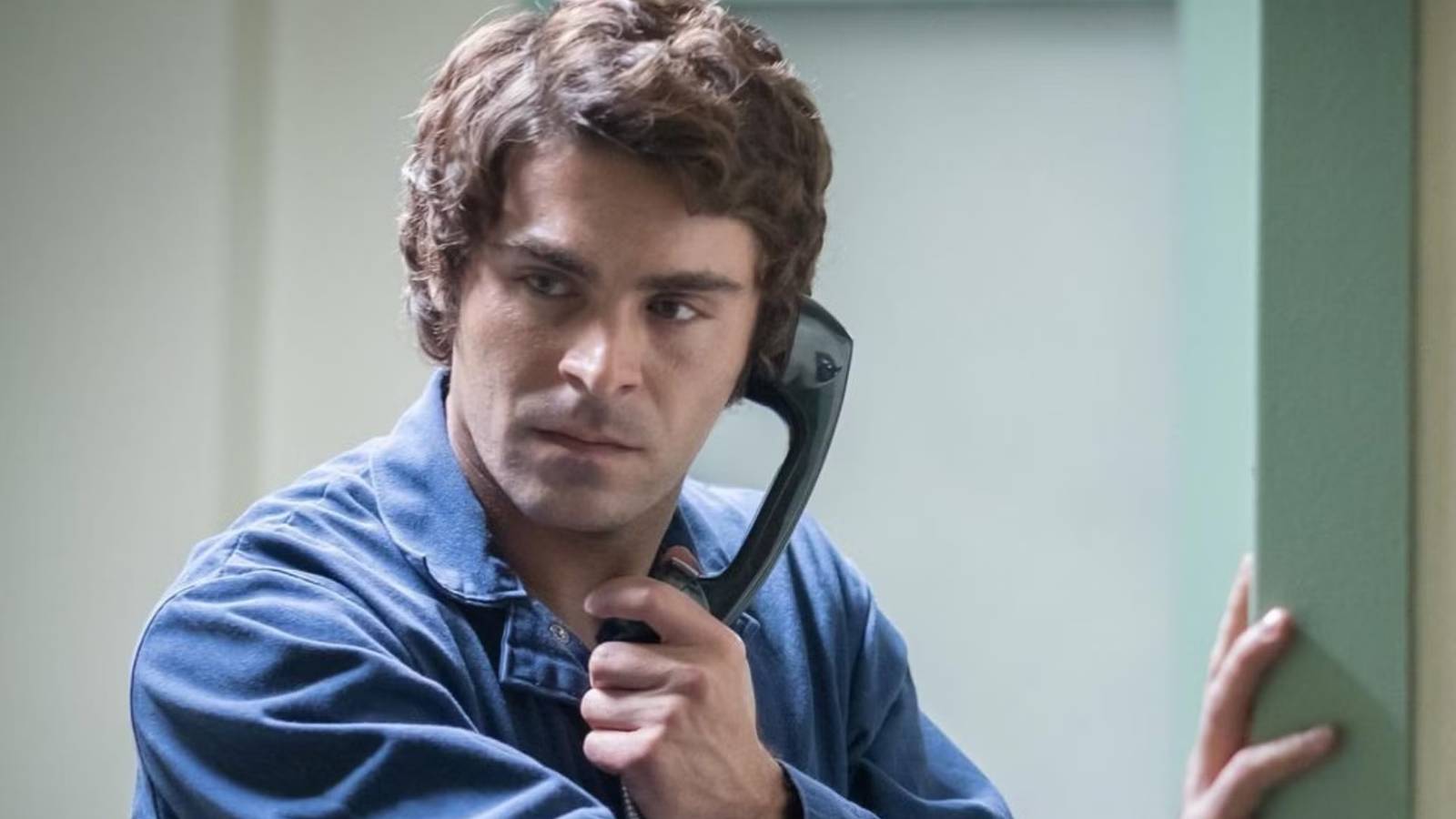
Published Nov 28, 2026, 12:20 PM EST Lauren Garafano is a writer, editor, and digital media professional with a passion for pop culture, entertainment, beauty, and internet trends. She previously worked at BuzzFeed, creating content spanning celebrity news, television, and lifestyle, that garnered hundreds of thousands of views. She loves exploring the latest pop culture obsessions, beauty trends, and entertainment news to create engaging, relatable content that connects with readers. With a background in digital journalism, Lauren specializes in features, news, reviews, explainers, listicles, SEO-driven content, and social media storytelling. She enjoys identifying emerging trends, crafting compelling headlines, and finding fresh angles on the topics audiences can’t stop talking about. Her experience also includes short-form video production, creative content development, and using audience analytics to inform editorial strategy. Outside of writing, Lauren is passionate about theater and the performing arts, often spending her free time singing, dancing, performing, or working behind the scenes on community theater productions. She’s also an avid consumer of pop culture, beauty trends, and all things television, and she firmly believes there’s always another great story to uncover. This article includes mention of sexual violence. True-crime movies have a unique way of bringing some of the most disturbing real-life cases to the big screen - though they will often cut out some of the most troubling details of what transpired. From infamous serial killers and shocking disappearances to horrifying crimes that shocked the public to its core, these films attempt to capture the events that made headlines and left lasting impressions. However, adapting these real-life tragedies into a two-hour movie isn't always easy, especially if the film isn't a true-crime documentary. Filmmakers often need to condense timelines, simplify investigations, or even create entirely new characters in order to create a compelling narrative. Some creative liberties are understandable, but there are also times when the truth is considerably more disturbing than anything viewers could ever see in theaters. With true crime specifically, some movies will gloss over the full extent of a killer's crimes or leave out horrifying details about victims. Others may even cut down the years and trauma that made these cases so memorable. Obviously, not every true-crime story is intended to be a comprehensive retelling of its source material. Some specifically focus on a particular perspective, victim, or period of an investigation. That being said, knowing the full scope of the story can completely change how audiences view these movies. Behind these cinematic portrayals, there are actual human beings dealing with devastating losses and details much more complicated and heartbreaking than a movie adaptation could ever convey. 7 Extremely Wicked, Shockingly Evil And Vile (2019) — The Full Extent of Ted Bundy's Crimes With Zac Efron starring as Ted Bundy, Extremely Wicked, Shockingly Evil and Vile takes a different approach to telling the story of one of America's most notorious serial killers. Instead of focusing entirely on Bundy's crimes, the film spends a lot of time with his longtime girlfriend, Elizabeth Kloepfer (Lily Collins). Throughout the film, viewers see their relationship pan out, like a normal happy couple. But once Bundy is arrested, Elizabeth must grapple with the fact that the man she loves is also capable of the most horrific things. The film depicts some of Bundy's crimes. However, it deliberately keeps a majority of the violence offscreen, leaving viewers with a more limited understanding of his heinous murders. In reality, Bundy's crimes were far more extensive and brutal. He confessed to murdering 30 women across seven states, although investigators have long suspected that the actual number of his victims could be even higher. Bundy's attacks also involved extreme physical and sexual violence. His victims were often young women who were by themselves. After escaping police custody twice in 1977, Bundy ended up in Florida, where he committed some of his most infamous murders. In January 1978, he attacked the Chi Omega sorority house at Florida State University. Two women were killed and two were left sustaining major injuries. 6 The Good Nurse (2022) — How Many Patients Did Charles Cullen Really Kill? The Good Nurse follows Amy Loghren (Jessica Chastain), a nurse who begins suspecting that her colleague, Charles Cullen (Eddie Redmayne), is responsible for a series of unexplained patient deaths. As investigators look into Cullen's employment history, they uncover a disturbing pattern that has followed him for years. The film centers around the investigation that ultimately led to his arrest, but the actual case raises even more troubling questions about just how long Cullen was able to get away with murder. Cullen confessed to killing 29 patients, although investigators believe that he may be responsible for at least 40. He used medications like insulin and digoxin to give his victims overdoses, but made the deaths seem like they were the result of already existing conditions. He also repeated this pattern at several different hospitals throughout his career. Despite concerns about his behavior and high mortality rates, he was always able to find employment at other institutions. 5 Monster (2003) — The Victims Behind Aileen Wuornos' Killing Spree Charlize Theron won an Academy Award for her performance in Monster. The film revolves around America's most notorious female serial killer, Aileen Wuornos. It takes viewers through her troubled past, relationship with Selby Wall (Christina Ricci), and the circumstances that led her to begin murdering men in Florida. The film doesn't shy away from showcasing her violence, but most of the focus remains on Wournos herself, leaving the victims and their families with less attention. Between 1989 and 1990, Wuornos murdered seven men, six of whom she was convicted of killing. Over the course of her trial, she maintained that the men sexually assaulted her or attempted to, claiming that she acted in self-defense. However, prosecutors disputed her allegations, so the circumstances around the murders became a major focus in her trial. Another major part of Wuornos' real-life story involves her girlfriend Tyria Moore, who cooperated with investigators and helped them get a confession. And while the film incorporates a fictionalized version of their relationship, the victims' stories and motives are largely absent. 4 Zodiac (2007) — The Chilling Messages and Threats Behind The Zodiac Killer David Fincher's Zodiac follows the investigation into one of the nation's most infamous unidentified killers. This film centers around cartoonist Robert Graysmith (Jake Gyllenhaal), reporter Paul Avery (Robert Downey Jr.), and San Francisco inspector Dave Toschi (Mark Ruffalo) as they try to identify the person responsible for a string of murders in Northern California. While the film includes several of the Zodiac Killer's letters and cryptograms, the real-life communications were even more extensive and disturbing. The killer frequently contacted newspapers, and sent letters that included details about his crime, cryptograms, and threats of additional violence if his messages weren't published. One of his most famous communications contained a 340-character cipher that remained unsolved for 51 years before a team of amateur codebreakers finally cracked it in 2020. Even after the murders stopped, the Zodiac kept sending letters claiming responsibility and more threats, but there was no way for them to be verified. Despite decades of investigations, suspects, and countless theories, the killer has not been identified. 3 The Boston Strangler (2023) — The Unanswered Questions Behind The Boston Strangler Murders The Boston Strangler follows reporters Loretta McLaughlin (Keira Knightley) and Jean Cole (Carrie Coon) as they investigate a series of murders targeting women in the Boston area during the 1960s. The film highlights the journalists who helped connect the crimes and bring attention to the investigation, but the real-life case is riddled with inconsistencies that make the story even more complicated. While Albert DeSalvo confessed to being the killer, theories have questioned this confession for decades. Between 1962 and 1964, 13 women were murdered in the Boston Strangler case. DeSalvo confessed to the killings, but investigators never conclusively established that he was responsible for every death. Some of the murders involved different methods and circumstances, leading investigators to wonder if multiple people were involved. Notably, DNA evidence linked DeSalvo with the 1964 murder of Mary Sullivan, but it did not establish his responsibility for the 12 other killings. 2 The Amityville Horror (1979) — The Real DeFeo Family Murders Were Scary Enough The Amityville Horror is best known for its supernatural storyline, but the movie was inspired by a real-life tragedy that occurred years before the house became famous. In November 1974, Ronald DeFeo Jr. murdered six members of his family inside their home on 112 Ocean Avenue in Amityville, New York. The film focuses on the Lutz family, who move onto the property and claim to experience terrifying paranormal activity. However, the actual murders are disturbing enough without any of the supernatural elements. DeFeo killed his parents and four siblings. The youngest was his sister Allison, who was just nine years old. All six victims were found in their beds, and the circumstances of the murders raised many questions about how none of the surviving family members or neighbors heard the gunshots. DeFeo gave investigators conflicting explanations for what happened, and at one point claimed that voices instructed him to shoot his family. The haunting claims made by the Lutz family have been heavily disputed, and there is no reliable evidence that anything paranormal occurred there. 1 Changeling (2008) — The Other Children Connected To The Wineville Chicken Coop Murders Angelina Jolie plays Christine Collins, a mother whose son goes missing in 1928, in Changeling. When the police department claim to have found him, Collins insists that the boy is not her son. Her fight ultimately leads investigators to the Wineville Chicken Coop Murders, a series of horrible killings of young boys. The film mainly focuses on Collins' battle with the authorities, but the actual story is devastating. The crimes were committed by Gordon Stewart Northcott, who abducted, sexually abused, and murdered young boys at his family's chicken ranch in Wineville, California. Sanford Clark, Northcott's nephew, was also forced to participate in the abuse and murders. Clark became a key witness crucial to the case against Northcott, and he helped the police understand just exactly what happened on the ranch. Authorities were able to uncover evidence of several victims, though, unfortunately, not all the boys could be identified. Northcott's mother, Sarah Louise, was also implicated in the crimes and convicted of her involvement with the murder of one victim. While the true crime movie follows the story of one mother's fight for her child, the real-life victims' stories deserve just as much attention.
7 True Crime Movies That Left Out the Most Disturbing Details of the Real Cases
Full Article
Original Source
Read the full article at Screenrant →KhanList aggregates and links to publicly available news content. We do not host full articles from third-party sources. Always verify important information with original sources.