
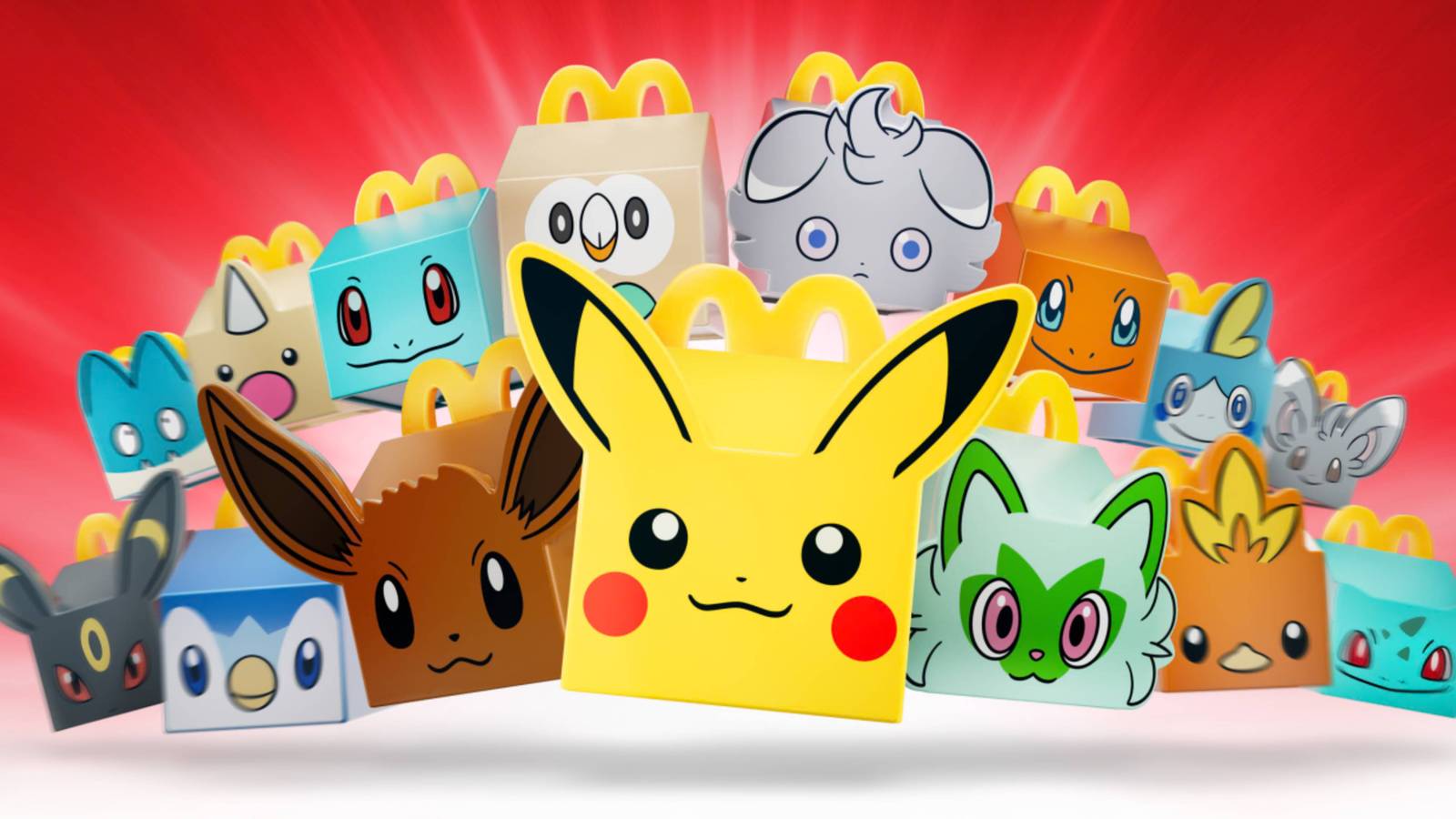
Pokemon May Have Figured Out How To Keep Scalpers Away From McDonald's Cards The Pokemon Company Published Nov 3, 2026, 4:13 AM EST Josh Coulson is an editor at TheGamer covering breaking news on everything from colorful platformers to the latest Lego sets. Primarily a news writer since 2018, Josh has covered just about every major game from the past decade. Now an editor, their focus has shifted to being the leading affiliate expert at the site, building relationships between TheGamer and global brands including Mattel, Funko, and The Pokemon Company. Pokemon’s latest McDonald’s promo doesn’t hit the US until November 10, but begins in Canada today. That has led to Happy Meals already finding their way out into the wild, with videos revealing the cards included with the kids’ meals this year are loose in the box that holds the toy rather than sealed in packs. McDonald's New Pokemon Cards Don't Come In Sealed Booster Packs The unboxing, which was originally shared by instantnoodledude on Instagram, shows them holding the little box inside the Happy Meal that has the toy inside. Before revealing the toy, they slide out the cards that are inside the smaller box with the toy, two of them, as prior leaks confirmed, instead of the four that some promo packs include in other countries. They show the cards to the camera, a Wooloo and a confetti holo Chandelure, but it’s not the cards that make the reveal notable. It’s how they’re packaged, or rather not packaged. The cards are simply loose in the box the toy comes in, and the consensus seems to be that this is done to deter scalpers from targeting the cards and the Happy Meals they come in. There are a few reasons why leaving the cards loose in a box rather than putting them in a sealed pack might result in them getting scalped less. For starters, those sealed packs stop the cards from smelling like the food they share a box with. While Pokemon cards that smell like chicken nuggets might be appealing to some, it’s not too great for their potential resale value. It’s also very unlikely that the cards are going to be in perfect condition when packaged this way. They might look fine sliding out of that box, but the odds of there being an imperfection that knocks a significant chunk off of how much they’re worth are increased by not shipping them in sealed packs. Scalpers also won’t be able to resell sealed packs, perhaps the most appealing prospect for them during recent McDonald’s Pokemon promos, as the cards themselves aren’t typically all that valuable, but the sealed packs might fetch a higher price, especially after the promotion has ended. Will Loose Cards Be Enough To Deter Scalpers? The Pokemon Company Whether leaving the cards loose in the box will prevent scalping remains to be seen. The next few weeks will determine whether the method has been successful, particularly when Pokemon cards return to Happy Meals in the US next week. There almost certainly won’t be a repeat of what happened in Japan last year, where scalpers bought Happy Meals in bulk, removed the booster packs, and then threw the food out into the street. It’s difficult for The Pokemon Company, alongside the creators of other popular TCGs, to stamp out scalping when it has, unfortunately, become so ingrained in the hobby’s culture. Pokemon is, at least, making an effort to lessen its effect, even if it will never stop scalpers completely. Pokemon Centers in certain parts of the world now remove the seal from ETBs before selling them, which drastically reduces their resale value, and scalpers threw tantrums earlier this year thanks to the 30th anniversary expansion’s generous pull rates, as fewer people needed their scalped products for more chances to find rarer cards. Franchise Pokemon Original Release Date October 20, 1996 Player Count 2 Age Recommendation 6+ Length per Game Variable Franchise Name Pokemon
Pokemon's New McDonald's Cards Aren't In Sealed Packs
Full Article
Original Source
Read the full article at Thegamer →KhanList aggregates and links to publicly available news content. We do not host full articles from third-party sources. Always verify important information with original sources.