
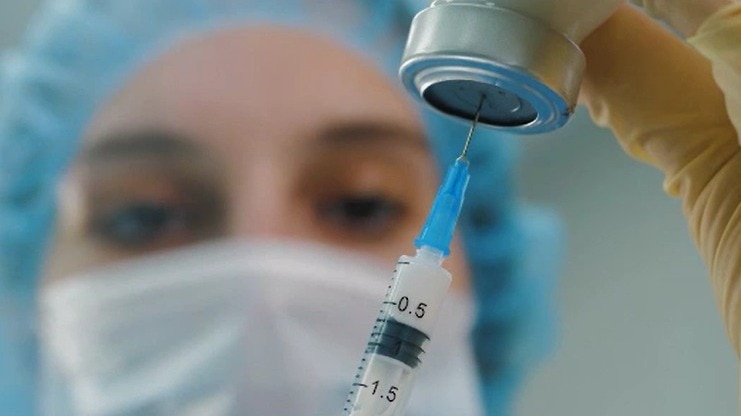
A personalised Merck-Moderna vaccine improved melanoma outcomes when paired with Keytruda. The Phase 3 findings broaden the potential of therapeutic mRNA technology in cancer care.A personalised cancer vaccine developed by Merck and Moderna has achieved a major clinical milestone, with late-stage trial results showing that it can help keep melanoma from returning or spreading when given alongside an existing immunotherapy.Melanoma is a very aggressive type of skin cancer mainly reported in the white population in Western countries and annually about 3–3.3 lakh of its new cases are registered.The findings mark an important step towards using messenger RNA (mRNA) technology to treat cancers, extending a platform that became widely known through COVID-19 vaccines.Previously, the investigational vaccine, intismeran autogene, also known as V940 or mRNA-4157, met the primary and a key secondary endpoint in the global Phase 3 INTerpath-001 trial, the companies announced in August. The study found statistically significant and clinically meaningful improvements in recurrence-free survival and distant metastasis-free survival when the vaccine was combined with Merck's immunotherapy Keytruda, compared with Keytruda alone.The latest development adds to the growing evidence supporting personalised mRNA-based cancer treatments. However, the vaccine remains investigational, and the findings do not yet establish it as an approved treatment or demonstrate that it improves overall survival. The full Phase 3 results, presented at the European Society for Medical Oncology (ESMO) Congress last week, quantified the benefit: the combination reduced the risk of melanoma recurrence or death by 42% and the risk of distant metastasis or death by 38% compared with Keytruda alone.The findings have also been accepted for publication in The New England Journal of Medicine.BETTER OUTCOMES AFTER SURGERYThe INTerpath-001 trial enrolled 1,137 patients with high-risk stage IIB to IV cutaneous melanoma whose tumours had been completely removed through surgery. Participants received either intismeran autogene with Keytruda or Keytruda alone, making it possible to assess the vaccine's additional benefit over an established treatment.After a median follow-up of 24.6 months, 82.2% of patients receiving the combination were alive without a recurrence at two years, compared with 70% of those receiving Keytruda, which has pembrolizumab as active ingredient, alone.The corresponding two-year rates of remaining free from distant metastasis were 88.5% and 80.2%, respectively.The vaccine is designed using information from a patient's tumour to identify mutations that may help the immune system distinguish cancer cells from healthy cells.Its synthetic mRNA carries instructions for producing up to 34 tumour-specific targets, known as neoantigens. Once these are presented to the immune system, the aim is to stimulate T cells to recognise and attack cancer cells.Keytruda, an immune checkpoint inhibitor, works differently. It blocks the PD-1 pathway, helping the immune system's T cells overcome one of the mechanisms cancers use to evade immune attack. The two treatments are therefore intended to complement each other: the vaccine helps direct the immune response towards the patient's cancer, while Keytruda helps sustain that response.The results come with important qualifications. Overall survival data remain immature, meaning it is too early to determine whether the combination helps patients live longer.Treatment-related adverse events were reported in 95.8% of patients receiving the combination and 90% receiving Keytruda alone, although severe grade 3–5 events were similar at 14.2% and 13.4%, respectively.PROMISE BEYOND MELANOMAThe significance of the findings extends beyond one cancer. Conventional cancer treatments are generally selected according to tumour type, stage and other clinical characteristics. A personalised neoantigen vaccine instead attempts to tailor treatment to the specific mutations in an individual's tumour, potentially making it possible to target cancers that differ substantially even when they originate in the same organ.This approach could be particularly valuable after surgery, when scans may show no remaining tumour, but microscopic cancer cells could still trigger a recurrence. Training the immune system to recognise these cells could help keep the disease at bay.Merck and Moderna are investigating intismeran in a broader clinical programme spanning nine Phase 2 and Phase 3 trials across different cancers and stages of disease. These include non-small cell lung cancer, bladder cancer and renal cell carcinoma, alongside further melanoma studies.Early-stage research is also exploring its use in pancreatic and gastric cancers.“However, success in melanoma does not guarantee similar results in other cancers. Tumours vary in their mutations, ability to evade immune responses and sensitivity to immunotherapy. Each indication will need evidence from its own clinical trials,” pointed out a cancer researcher at the All India Institute of Medical Sciences (AIIMS), New Delhi.But the researcher underlined that the findings nevertheless mark a significant advance for mRNA technology. “Unlike preventive vaccines that train the body to recognise an infectious agent before exposure, this approach is a therapeutic cancer vaccine designed for an individual who already has cancer.Its success in a Phase 3 trial raises the prospect that mRNA could become a platform for developing treatments against multiple cancers, rather than remaining primarily associated with infectious diseases,” he said.- Ends
Personalised mRNA vaccine cuts melanoma recurrence risk
Full Article
Original Source
Read the full article at Indiatoday →KhanList aggregates and links to publicly available news content. We do not host full articles from third-party sources. Always verify important information with original sources.