
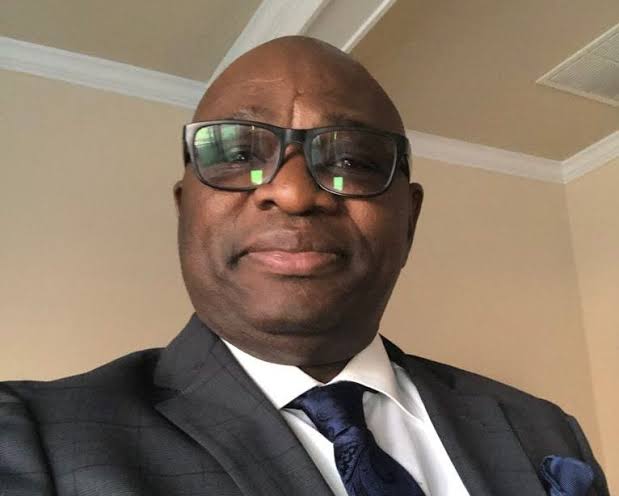
Astute businessman and enterpreneur, Dr Atilade Olufemi Oshoniyi, in this interview, takes a look at the economic reforms embarked upon by President Bola Tinubu upon assumption of office in May, 2023, including petrol subsidy removal and foreign exchange liberalisation. He also speaks on the government’s achievements, criticisms by opposition politicians ahead of the 2027 general elections in the country. Folalumi Alaran brings excerpts: Could we say President Bola Tinubu inherited the economic crisis his administration is dealing with, or did his reforms and policies create hardships? Mr President inherited an economy burdened by substantial public debt, rising debt-service obligations, an expensive petrol subsidy regime, multiple exchange-rate windows, weak revenue mobilisation, infrastructure deficits and declining investor confidence. However, acknowledging inherited problems should not become an excuse for every subsequent failure. Every administration must be judged by the condition of the country it inherited and the decisions it subsequently made. Tinubu’s decisions to remove petrol subsidy and liberalise the foreign exchange market addressed longstanding structural weaknesses but also produced immediate economic shocks. The question is whether the transition has been managed effectively and whether Nigerians are beginning to enjoy the benefits of the sacrifices demanded of them. Could there have been an alternative to petrol subsidy removal and foreign exchange reforms, which worsened the economic situation? There is a distinction between the necessity of reform and the manner of implementation. Successive governments recognised that petrol subsidy was unsustainable, while multiple exchange rates encouraged arbitrage and discouraged productive investment. The IMF’s June 2026 assessment acknowledged that the reforms improved macroeconomic stability and strengthened external buffers. However, it estimated that poverty had reached 63 per cent of the population under Nigeria’s national poverty line, while about 27 million Nigerians experienced food insecurity in autumn 2025. The government could have prioritised timely cash transfers, public transportation, targeted food support, affordable healthcare and protection for small businesses. Reform must demonstrate that its eventual benefits outweigh the sacrifices and that vulnerable Nigerians are not abandoned. What would you say are the achievements of the incumbent administration against the opposition’s argument that he has done nothing? The claim that the administration has done absolutely nothing does not reflect its documented record. The government has undertaken economic restructuring through subsidy removal, foreign exchange reforms, revenue changes and a new tax framework. The Nigerian Education Loan Fund has expanded financing opportunities for students in public tertiary institutions. In infrastructure, major projects include the Lagos-Calabar Coastal Highway, Sokoto-Badagry Super Highway and Abuja-Kaduna-Zaria-Kano road. The Presidency reported that more than 2,700 kilometres of highways and major roads were under construction, reconstruction or rehabilitation as of May 2026. The Electricity Act 2023 has opened opportunities for states to participate in electricity generation, transmission and distribution. Other interventions include agricultural mechanisation, fertiliser support, healthcare, CNG transportation and the N70,000 national minimum wage. These are identifiable actions, but their scale, completion and impact must be independently assessed. Announcements are not completed projects. As a businessman in the Diaspora, what do institutions such as the IMF and World Bank say about the administration’s performance? Their assessments provide an external perspective on the reforms. The IMF’s June 2026 Article IV assessment acknowledged improvements in macroeconomic stability, external buffers and foreign exchange market functioning. It estimated economic growth at four per cent in 2025 and projected 4.1 per cent for 2026. The World Bank’s October 2026 Nigeria Development Update reported that the economy grew by 4.2 per cent in the first half of 2026, compared with 3.9 per cent in the corresponding period of 2025. Nigeria’s removal from the Financial Action Task Force grey list in October 2025 was another significant development in its financial integrity framework. However, neither institution has declared that Nigeria’s economic problems have been solved. The IMF continues to highlight poverty, food insecurity and insecurity. The World Bank has also emphasised the need to translate growth into employment, better household incomes and improved public services. The fair conclusion is that macroeconomic stabilisation is progressing, but widespread prosperity remains a challenge. Can you identify the major sectors in which the Tinubu administration has recorded measurable progress, and how should Nigerians assess these achievements? Education, infrastructure, power, agriculture and public finance offer measurable examples. NELFUND reported cumulative disbursements of N372.62 billion to 1,659,853 students across 319 tertiary institutions as of October 30, 2026. This represents an important financing opportunity, although the scheme must also be assessed by its accessibility and sustainability. In infrastructure, more than 2,700 kilometres of roads were reported to be at different stages of construction and rehabilitation. The Electricity Act provides a framework for state electricity markets and private investment. Agriculture has received mechanisation, fertiliser and agro-industrial interventions, while the minimum wage increased from N30,000 to N70,000. In public finance, improved revenue mobilisation has increased resources available to states and local governments. The proper test is not the number of programmes announced but beneficiaries reached, projects completed, jobs created and improvements in citizens’ lives. If President Tinubu’s achievements are real, why are so many Nigerians still experiencing acute economic hardship? There is a genuine disconnect. Macroeconomic stability and household prosperity are related, but they are not the same. An economy can record GDP growth, stronger reserves and increased revenue while households struggle with food prices, rent, transportation, school fees and healthcare. The IMF estimated that 63 per cent of Nigerians were living below the national poverty line. It also reported that 9.2 million households had been enrolled in the cash transfer system against a target of 15 million. Those enrolled had received at most three transfers of N25,000 since 2023. These figures demonstrate the gap between policy intentions and delivery. The government must move beyond aggregate economic indicators and demonstrate improvements in employment, purchasing power, food security and access to essential services. Has Tinubu done enough to address insecurity, particularly banditry, kidnapping, terrorism and attacks on farming communities? Security remains one of the most difficult areas in which the administration must demonstrate stronger results. There have been military operations, intelligence interventions and equipment acquisitions, but persistent attacks, kidnappings, displacement and disruption of farming indicate that the challenge remains unresolved. The government must improve protection while addressing illegal arms proliferation, unemployment, weak local intelligence, poor border management and ineffective governance in vulnerable communities. Economic reforms cannot deliver their full benefits if farmers cannot safely cultivate their land and businesses cannot operate without fear. With the renewed move to establish state police, does this represent the kind of security restructuring Nigeria needs, and what safeguards should accompany it? State police could provide an important opportunity to decentralise security management and make policing more responsive to the peculiar challenges of individual communities. As of November 4, 2026, 30 State Houses of Assembly had approved the proposed constitutional amendment, exceeding the required two-thirds threshold of 24 states. The measure was being processed for transmission to the President for assent. However, establishing state police alone will not solve insecurity. There must be clear constitutional safeguards against political interference, victimisation of opposition figures and abuse of authority by governors. There must also be independent oversight, adequate funding, professional recruitment, proper training and respect for human rights. The Federal Government should retain responsibility for national security coordination, while state police services address local crimes and community-level intelligence. The objective should be complementary policing, not competing security structures. Three and half years into Tinubu’s presidency, has the government sufficiently addressed corruption, wasteful expenditure, accountability and transparency? This remains an important area for scrutiny. Improved revenue collection does not automatically guarantee accountability in expenditure. Nigerians deserve to know how savings from subsidy removal are being deployed, how capital projects are funded, how contracts are awarded and whether procurement procedures are followed. The government should publish accessible reports showing actual savings, social intervention expenditure and project outcomes. Allegations of corruption must be investigated irrespective of the political identity of those involved. One of the administration’s major arguments is that the economy is recovering. How sustainable is this recovery? The World Bank’s reported 4.2 per cent growth in the first half of 2026, stronger external balances and improved public revenues provide evidence of recovery. However, sustainability depends on whether Nigeria can expand domestic production, improve electricity supply, support manufacturing and create productive employment. The economy remains vulnerable to international oil price fluctuations, insecurity and high production costs. The government must therefore consolidate the gains through diversification rather than excessive dependence on oil revenue, borrowing and short-term capital inflows. As Nigerians approach the 2027 presidential election, what exactly will be at stake? Is the election simply about choosing another president, or will it amount to a referendum on Tinubu’s reforms and leadership? The election will provide an opportunity to assess the country’s direction since 2023. It will involve questions about economic management, security, accountability, federalism and governance. The ruling party will seek another mandate to consolidate its policies, while the opposition will attempt to persuade Nigerians that another approach would produce better outcomes. For the electorate, the central consideration should be which candidate and programme can address immediate difficulties while building a sustainable economic and political future. If Tinubu wins a second term in 2027, what could Nigerians gain? What are the possible advantages of continuity? A second term would provide an opportunity to continue policies and programmes already initiated. Economic reforms in taxation, foreign exchange management, energy and infrastructure may require more time to produce their intended results. Continuity could also reduce uncertainty among investors. The administration could complete ongoing infrastructure projects, consolidate electricity reforms, expand domestic refining and improve agricultural production. However, continuity should not mean automatic endorsement of every existing policy. A second term must demonstrate stronger commitment to poverty reduction, employment, security and accountability. What are the possible risks or disadvantages for Nigerians if Tinubu wins another four years? The principal risk is that continuity could become an excuse for retaining policies that have not delivered sufficient improvements in citizens’ welfare. Failure to address the cost of living, unemployment, insecurity and inadequate electricity could prolong the frustrations already experienced by Nigerians. A comfortable political mandate could also weaken accountability. Another four years must therefore be accompanied by improved delivery, transparency and responsiveness. What should Nigerians demand from both Tinubu and the opposition before deciding who deserves their mandate in 2027? Nigerians should demand measurable targets, clear timelines, credible financing plans and verifiable records. Tinubu should explain what his administration has achieved, what it failed to achieve and what he intends to do differently if re-elected. The opposition must equally explain how it intends to address the problems it criticises. Candidates promising cheaper fuel, a stronger naira and employment should explain the policies, costs and implementation strategies behind those promises. Security, education, healthcare, electricity and infrastructure must also feature prominently. Nigerians deserve evidence-based alternatives rather than criticism without workable solutions. Could an opposition government sustain the reforms while correcting what it considers Tinubu’s mistakes, or would a change of government necessarily mean a change in economic direction? There is no reason a new administration must abandon every existing policy. Responsible governance requires continuity in programmes that serve the national interest, irrespective of the political party that introduced them. An opposition government could retain exchange-rate reforms, improve revenue mobilisation, sustain domestic refining and continue worthwhile infrastructure projects while changing their implementation. It could also address the social consequences of subsidy removal through better cash transfers, targeted transport support and improved public expenditure accountability. Nigeria needs policy consistency, but consistency should not become resistance to necessary corrections.
Oshoniyi: Nigerians Yet to Feel Gains of Tinubu’s Reforms
Full Article
Original Source
Read the full article at Thisdaylive →KhanList aggregates and links to publicly available news content. We do not host full articles from third-party sources. Always verify important information with original sources.