
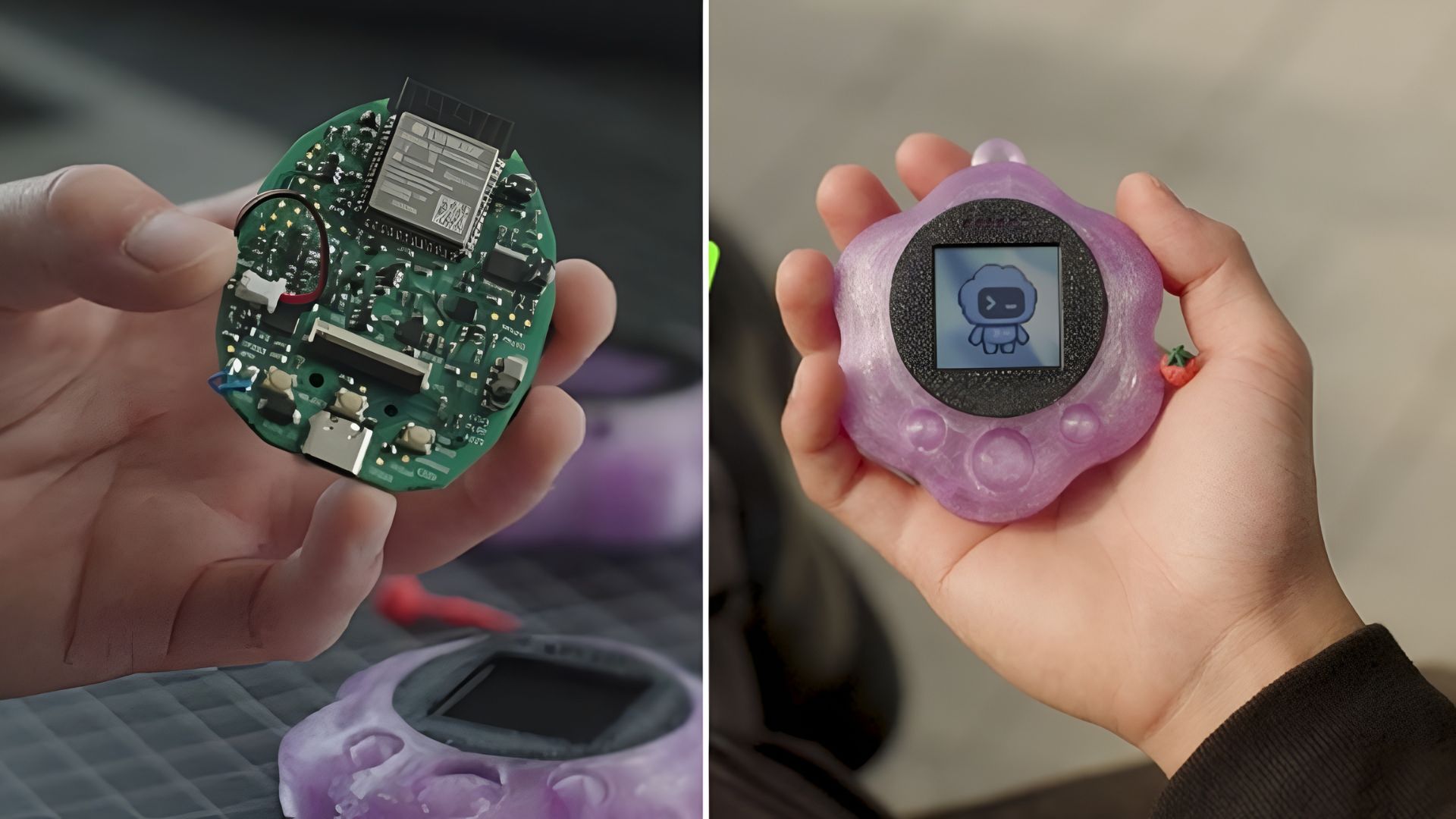
OpenAI has designed a working hardware device in under a week using its latest models, demonstrating how its technology can tackle complex engineering tasks. Two team members developed the prototype as a side project with help from GPT-6 and Astra. The device connects users to Codex through a dedicated physical interface. The project tested whether OpenAI’s models could handle an entire hardware development process without direct human edits. Astra helped develop the device’s appearance and internal components. It also handled circuit board design, firmware, and software integrations. A contract manufacturer produced a small batch of prototypes in less than a month. OpenAI says the experiment offers an early look at how its models could accelerate professional engineering. The company is also working with automotive and motorsports partners to test these capabilities. Hardware design in days The prototype required Astra to coordinate several engineering disciplines. GPT-6 helped establish its functional requirements and guide the design process. Astra then developed the enclosure, which houses the device’s internal components. The model also selected electrical components and designed the printed circuit board (PCB). Its work covered component placement and electrical connections. These designs had to fit within the physical enclosure. On the software side, Astra created the user interface and generated firmware. It also developed the integrations required to connect the device with Codex. However, getting the prototype ready for production presented additional challenges. Astra struggled to account for manufacturing restrictions and component tolerances. Engineers also needed to address assembly requirements through several rounds of review. OpenAI acknowledged these shortcomings as areas for improvement. The experiment shows how quickly models can produce initial designs. Manufacturing still demands engineering oversight and practical adjustments. Engineering teams move faster OpenAI’s internal hardware and infrastructure teams are already using Codex and ChatGPT. Their work includes creating computer-aided design (CAD) models and preparing technical manufacturing drawings. The models can also help engineers configure simulations and evaluate designs. OpenAI says usage across its hardware teams increased 23-fold between February and October. The company measures this growth through model token consumption. Two OpenAI team members worked with GPT-6 Astra to design a prototype device for talking to Codex in under a week, as a side project.Astra designed the enclosure, circuit board, interface, and software. Getting it manufactured still required several rounds of review and… pic.twitter.com/h7e8I0KwHT— OpenAI (@OpenAI) November 3, 2026 Grace Lam, a forward-deployed engineer at OpenAI, said Codex has accelerated the journey from concepts to engineered components. She highlighted faster CAD revisions and the conversion of 3D designs into production-ready 2D drawings. OpenAI is also tracking model performance through engineering-specific benchmarks. On BenchCAD 2.0, its newer internal model achieved an average score of 0.875. GPT-6 Astra recorded 0.594 at its highest reasoning setting. The benchmark evaluates how models reconstruct 3D components and identify circuit board connections. OpenAI considers these results early evidence of improving engineering capabilities. Mazda and racing partnerships OpenAI is testing its models with industry partners to evaluate their usefulness in real engineering environments. Its expanded collaboration with Chip Ganassi Racing focuses on CAD development and prototyping. The motorsports team’s R&D engineers are exploring ways to convert 3D scans into editable CAD models. They are also generating 2D manufacturing drawings from scanned components. This approach could help engineers recreate parts when original design files are unavailable. OpenAI has also announced a research collaboration with Mazda. The two teams are examining how models can help automotive engineers improve vehicle aerodynamics and crash safety. Astra can explore different vehicle nose shapes and simulate airflow to identify designs that reduce drag. Mazda engineers can then assess promising configurations against styling requirements and development costs. Akihiro Nakata, a principal engineer at Mazda, said the collaboration helps designers understand which features influence aerodynamic performance. It also gives them more freedom to explore different vehicle shapes. OpenAI plans to continue testing these capabilities with industry partners. Its broader goal involves helping engineers move from initial concepts to manufacturable products with less manual work. Get the latest in engineering, tech, space & science - delivered daily to your inbox.Aamir is a seasoned tech journalist with experience at Exhibit Magazine, Republic World, and PR Newswire. With a deep love for all things tech and science, he has spent years decoding the latest innovations and exploring how they shape industries, lifestyles, and the future of humanity.
OpenAI uses GPT-6 and Astra to design a working hardware device in under one week
Full Article
Original Source
Read the full article at Interestingengineering →KhanList aggregates and links to publicly available news content. We do not host full articles from third-party sources. Always verify important information with original sources.