
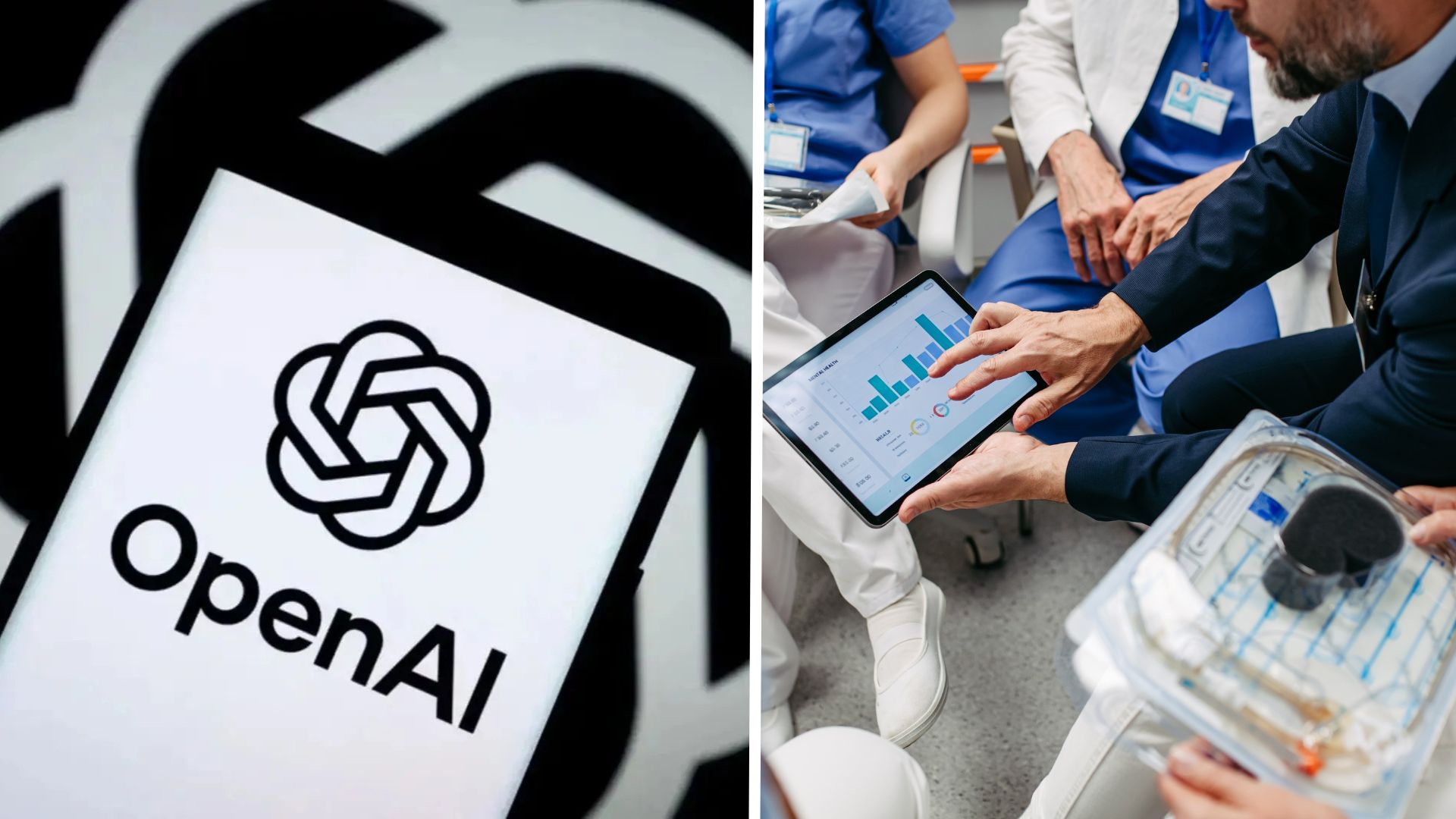
OpenAI is expanding its computer-use technology into healthcare, allowing AI agents to navigate clinical software and handle repetitive administrative tasks. The technology can retrieve patient information, prepare medical documentation, and coordinate insurance authorization requests across separate applications. The development targets a persistent challenge in U.S. healthcare, where staff often spend considerable time moving information between disconnected systems. OpenAI is working with major healthcare organizations to automate workflows involving referrals, discharge planning, and patient outreach. The goal is to reduce administrative workloads without removing clinicians from important decisions. Agents navigate clinical software An OpenAI demonstration shows how an agent could help process an MRI request for a patient experiencing lower back pain. It starts by reviewing the patient’s electronic health record (EHR), including previous consultations, physical therapy records, and imaging history. The agent then drafts an MRI order, a clinical note, and a response to the patient. Afterward, it uses the same records to prepare a prior authorization request through an insurer’s portal. Clinicians and authorization specialists review the documents before taking further action. Computer-use agents interact with existing applications through clicks and keyboard inputs. This allows them to navigate software functions that traditional application programming interfaces (APIs) may not fully support. The approach could prove particularly useful in healthcare, where organizations rely on multiple systems that do not always communicate with each other. Healthcare partners deploy agents OpenAI is working with CVS Health, Cigna Healthcare, Abridge, and Ambience to develop practical healthcare applications. CVS Health uses computer-use agents to send documents, process referrals, and support specialist consultations. One agent cleared a document-sending backlog that had accumulated over several months during a single weekend. Another handles software-related steps for tens of thousands of consultations daily. The company also uses validation checks and human oversight to verify agent activity. Its systems capture screenshots and action records, allowing staff to confirm that applications reached the correct states. Cigna Healthcare has introduced the technology to help case managers gather information across more than 10 separate systems. Agents can retrieve details about insurance coverage, providers, appointments, and previous interactions within seconds. This reduces the time staff spend searching through different applications. Abridge is developing agents to coordinate inpatient care, including medication access and home-health arrangements. Ambience, meanwhile, uses computer interaction to prepare insurance authorization requests. Its agent pauses when medical records contain ambiguous information and requests clinician input before proceeding. OpenAI reports safety results OpenAI evaluated GPT-6 Astra on clinical tasks involving electronic health record inboxes. Physicians reviewed its actions, documentation, and proposed patient responses to assess their usefulness and potential risks. Of 325 reviewed tasks, 99 percent received a safe rating. Physicians also rated 93 percent of 646 assessments as very or extremely helpful. Administrative performance produced another notable result. On Stanford researchers’ HealthAdminBench, GPT-6 Astra scored 94.3 percent of available points. GPT-6 Luna scored 91.8 percent on the same benchmark. OpenAI also reported a substantial cost difference. Astra completed each benchmark task for approximately 8.5 cents, costing 98 percent less than Luna. Healthcare organizations can access computer-use capabilities through the OpenAI API, ChatGPT for Healthcare, and ChatGPT for Clinicians. They can configure approval requirements, restrict agent permissions, and maintain audit logs to support HIPAA-compliant deployments. Get the latest in engineering, tech, space & science - delivered daily to your inbox.Aamir is a seasoned tech journalist with experience at Exhibit Magazine, Republic World, and PR Newswire. With a deep love for all things tech and science, he has spent years decoding the latest innovations and exploring how they shape industries, lifestyles, and the future of humanity.
OpenAI agents enter US healthcare systems after scoring 99% on clinical safety reviews
Full Article
Original Source
Read the full article at Interestingengineering →KhanList aggregates and links to publicly available news content. We do not host full articles from third-party sources. Always verify important information with original sources.