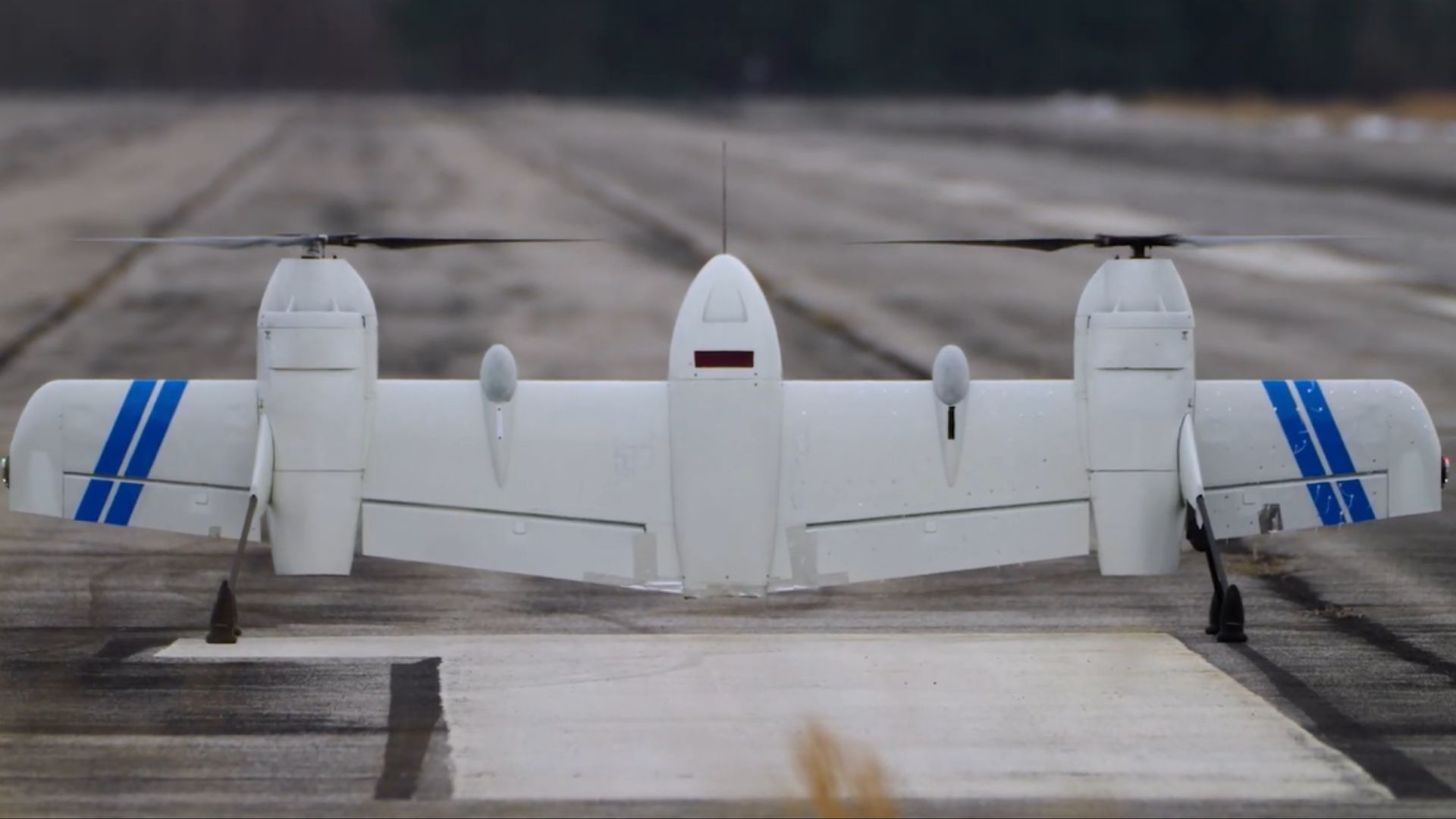
Sikorsky has moved its Nomad 100 uncrewed aircraft into flight testing, clearing an early milestone in a DARPA-backed effort to develop next-generation vertical takeoff and landing platforms for military operations. The Lockheed Martin subsidiary completed initial ground and flight evaluations of the aircraft under the Defense Advanced Research Projects Agency’s Early VTOL Aircraft Demonstration (EVADE) program, setting the stage for a broader government-led test campaign. The Nomad 100 targets missions where conventional aircraft face operational limits. Designed to operate without a runway, it can launch from remote bases, ships and rough terrain while supporting logistics, reconnaissance and other tactical missions alongside crewed aircraft. Rotor-blown wing design Unlike conventional drones, the Nomad 100 combines helicopter-like vertical lift with fixed-wing cruise performance through Sikorsky’s rotor-blown wing architecture. Twin prop-rotors allow the aircraft to take off and land vertically before transitioning into wing-borne flight for greater speed, range, and endurance. The design gives military operators more flexibility in contested environments where prepared runways may be unavailable. Sikorsky also says the aircraft can operate across land and maritime environments in adverse weather. Nomad represents the company’s first major entry into the uncrewed aerial systems market. Engineers paired Sikorsky’s rotorcraft expertise with artificial intelligence, electric propulsion and advanced manufacturing techniques to create a scalable VTOL platform intended to reduce operating costs without sacrificing capability. Testing expands next Following the initial evaluations, Sikorsky will move the aircraft to a government test facility for a more demanding flight campaign. Engineers will simulate multiple operational scenarios designed to evaluate the aircraft’s performance across different mission profiles. Rich Benton, vice president and general manager at Sikorsky, said the ongoing flight program reflects the company’s focus on autonomous aircraft that can safely support military missions. “Nomad 100’s ongoing flight testing reflects our commitment to advancing autonomous technology while delivering safe and reliable mission capabilities,” Benton said. He added that the aircraft is intended to work alongside crewed platforms from forward operating bases to ship decks and unimproved landing zones. Autonomy at the core DARPA selected Sikorsky’s MATRIX autonomous flight system as the common autonomy package for all five aircraft participating in the EVADE program. The technology allows operators to command aircraft through higher-level mission objectives instead of manually controlling every stage of flight. MATRIX has accumulated more than 1,000 flight hours across over 500 tests and demonstrations. Sikorsky says more than 100 operators from U.S. defense and firefighting organizations have trained with the system, which has already been integrated into over 20 different aircraft platforms. The company also uses MATRIX on its autonomous S-70UAS U-Hawk and Hybrid Electric Demonstrator aircraft. Lessons from those programs are expected to support Nomad’s continued development. Lockheed Martin views autonomous aircraft as a growing part of future military operations. Instead of focusing solely on self-flying vehicles, the company is developing systems that can plan, adapt, and execute missions under human supervision, allowing servicemembers to coordinate teams of crewed and uncrewed aircraft during complex operations. Recommended ArticlesGet the latest in engineering, tech, space & science - delivered daily to your inbox.Aamir is a seasoned tech journalist with experience at Exhibit Magazine, Republic World, and PR Newswire. With a deep love for all things tech and science, he has spent years decoding the latest innovations and exploring how they shape industries, lifestyles, and the future of humanity.
Nomad 100 rotor-blown wing drone completes first flight tests for runway-free ops
Full Article
Original Source
Read the full article at Interestingengineering →KhanList aggregates and links to publicly available news content. We do not host full articles from third-party sources. Always verify important information with original sources.