
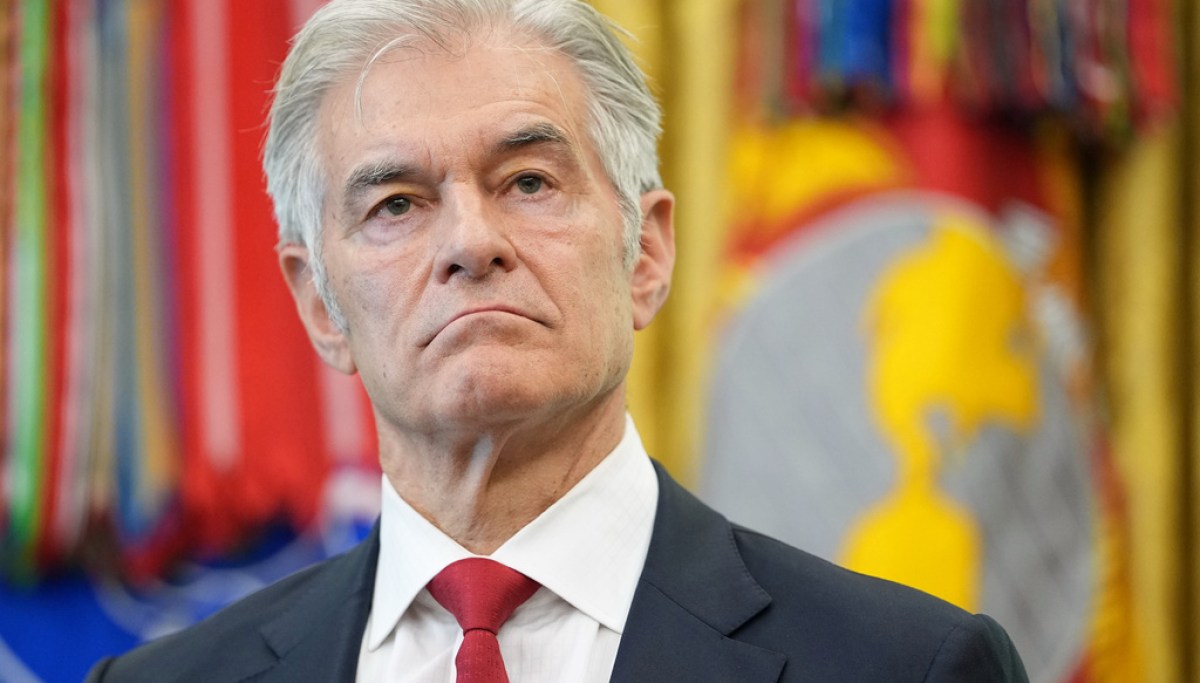
Rural seniors on Medicare with heart disease, diabetes, and other chronic conditions could lose access to critical telemedicine services if the Trump administration goes forward with a proposal to crack down on fraud that critics say will hit rural hospital systems the hardest.Telemedicine and healthcare industry leaders, as well as members of Congress from both political parties, have asked Centers for Medicare and Medicaid Services Administrator Dr. Mehmet Oz to reconsider a rule that changes how Medicare pays for remote patient monitoring for patients with chronic diseases.In July, CMS proposed changes that would require hospital systems seeking to use remote patient monitoring to build the technology systems and workforce to do so in-house instead of contracting with third-party providers. CMS has said the change is needed to address concerns about program integrity and vendors offering costly but low-quality care. Medicare payments for remote patient monitoring ballooned 31% from $408 million in 2023 to $536 million in 2024, according to the Department of Health and Human Services Office of Inspector General. The new rule is slated to be finalized by the end of October and implemented starting in January, but it has struck a nerve with stakeholders across the healthcare sector, who argue it will have negative effects on rural patients and health systems that depend upon third-party telemedicine providers.CMS has received more than 5,000 comments on the remote monitoring rule. That includes pressure to drop the rule from 35 major health systems, the American Medical Association, the American Telemedicine Association, and the nation’s three largest health insurers, including Kaiser Permanente, UnitedHealth Group, and CVS Health.Of the more than 61 million Medicare enrollees, roughly 3.4 million, or 6%, live in the most rural areas of the country, according to the health policy group KFF. About a third of rural Medicare beneficiaries live with five or more chronic diseases.Centers for Medicare & Medicaid Services administrator Dr. Mehmet Oz listens as President Donald Trump speaks in the Oval Office of the White House, Tuesday, Oct. 20, 2026, in Washington. (AP Photo) Chris Altcheck, founder of the telemonitoring company Cadence, told the Washington Examiner his company uses AI to remotely monitor patients’ heart rates, blood pressure, glucose levels, and other vital signs to catch medical emergencies before they begin or with enough advanced warning that patients far away from a major medical center can get the care they need.Cadence contracts with hospital systems and healthcare providers across the country, serving roughly 120,000 patients, half of whom are in rural communities.“We’re remotely monitoring vitals at home, using that data to make sure patients are prescribed the right medications, and then identifying strokes and heart attacks early, and coordinating the care for patients 24 hours a day, seven days a week,” Altcheck said.Altcheck said that, in one particular case, Cadence was able to hasten care for an octogenarian patient in rural Pennsylvania who was experiencing a heart attack. When the Cadence team monitoring the patient could not get ahold of him, they contacted his sister, who soon found him unresponsive at home. Cadence helped her get the patient to the hospital in time.“The patient’s sister credited us with saving the patient’s life because otherwise nobody would have known there was an issue,” Altcheck said.Third-party contracting for chronic disease monitoring Dr. Chris Frost, Chief Medical Officer for the national hospital network Lifepoint Health, told the Washington Examiner that his company depends on Cadence for its remote patient monitoring services to manage chronic diseases such as high blood pressure, congestive heart failure, and diabetes.Lifepoint Health has 68 acute care hospitals in its network across 34 states, a large number of which are in rural or non-urban markets. The organization employs 2,000 doctors and advanced practice providers, but contracts with Cadence to serve 12,000 patients, most of whom are on Medicare.Frost said remote patient monitoring saves patient and taxpayer dollars by catching problems early, thereby helping patients to avoid the emergency department or lengthy hospital stays.He also said that remotely monitoring patients with AI acts as a “force multiplier,” stretching the capacity of their clinicians. Not being able to contract with Cadence would make that next to impossible with current strains on the healthcare workforce market.“Without these types of third-party partnerships, we’d be forced to build this infrastructure on our own, and as ironic as it sounds, in order to do that, we would have to pull some of our providers from bedside care,” Frost said.CMS argues that third-party providers distance patients from in-person care teams and deliver lower-quality care than if the remote patient monitoring services were offered in-house by hospitals or healthcare systems.A CMS spokesperson told the Washington Examiner that the agency’s commitment to providing “high quality, technology-enabled care” for rural patients “does not diminish the need for appropriate Medicare program safeguards to ensure remote monitoring services are furnished in a manner that supports meaningful patient-provider relationships and appropriate clinical oversight.”“Medicare must have appropriate safeguards to ensure that services are medically necessary, meaningfully connected to the beneficiary’s care, and furnished consistent with Medicare requirements,” the agency spokesperson said. “The proposed policies are intended to strengthen accountability by reinforcing the role of the billing practitioner and supporting appropriate patient-provider relationships.”Political pressure for Dr. Oz to reverse course The Trump administration is also receiving pressure from members of the House and senators on both sides of the aisle to reconsider the remote patient monitoring rule, which they argue could unintentionally harm their constituents.In early October, 32 House members, on a bipartisan basis, told Oz that the blanket rule “could inadvertently disrupt the care delivery models that CMS and the states are working to build,” and unintentionally raise costs by pushing care towards emergency departments.Last month, Sens. Marsha Blackburn (R-TN) and Mark Warner (D-VA) told Oz third-party companies can help rural hospitals and independent practices fill in critical care gaps because they are “specialized to partner with health care practitioners to help provide these services to medically complicated patients.”“Because both hospital as well as small and rural practices often lack the internal workforce to manage these programs entirely in-house, we urge CMS to develop a regulatory framework that protects against waste while preserving flexible staffing models,” Blackburn and Warner wrote.VANCE ANNOUNCES ANTI-FRAUD TASK FORCE HAS FOUND ANOTHER $40 MILLION IN SNAP FRAUDRep. Jen Kiggans (R-VA), a signatory on the House letter to Oz, told the Washington Examiner that remote patient monitoring helps seniors in her southern Virginia district who often face long trips to see their healthcare providers. Before serving in Congress, Kiggans trained as a geriatric nurse practitioner and provided care to seniors in Virginia Beach and Norfolk.“Remote patient monitoring is a valuable tool that improves access to care, reduces unnecessary hospital visits, and helps lower Medicare costs,” Kiggans said. “While I fully support CMS’s efforts to combat fraud and abuse, we cannot jeopardize care for patients who rely on these services.”
New Medicare rule threatens telemedicine access for rural seniors
Full Article
Original Source
Read the full article at Washingtonexaminer →KhanList aggregates and links to publicly available news content. We do not host full articles from third-party sources. Always verify important information with original sources.