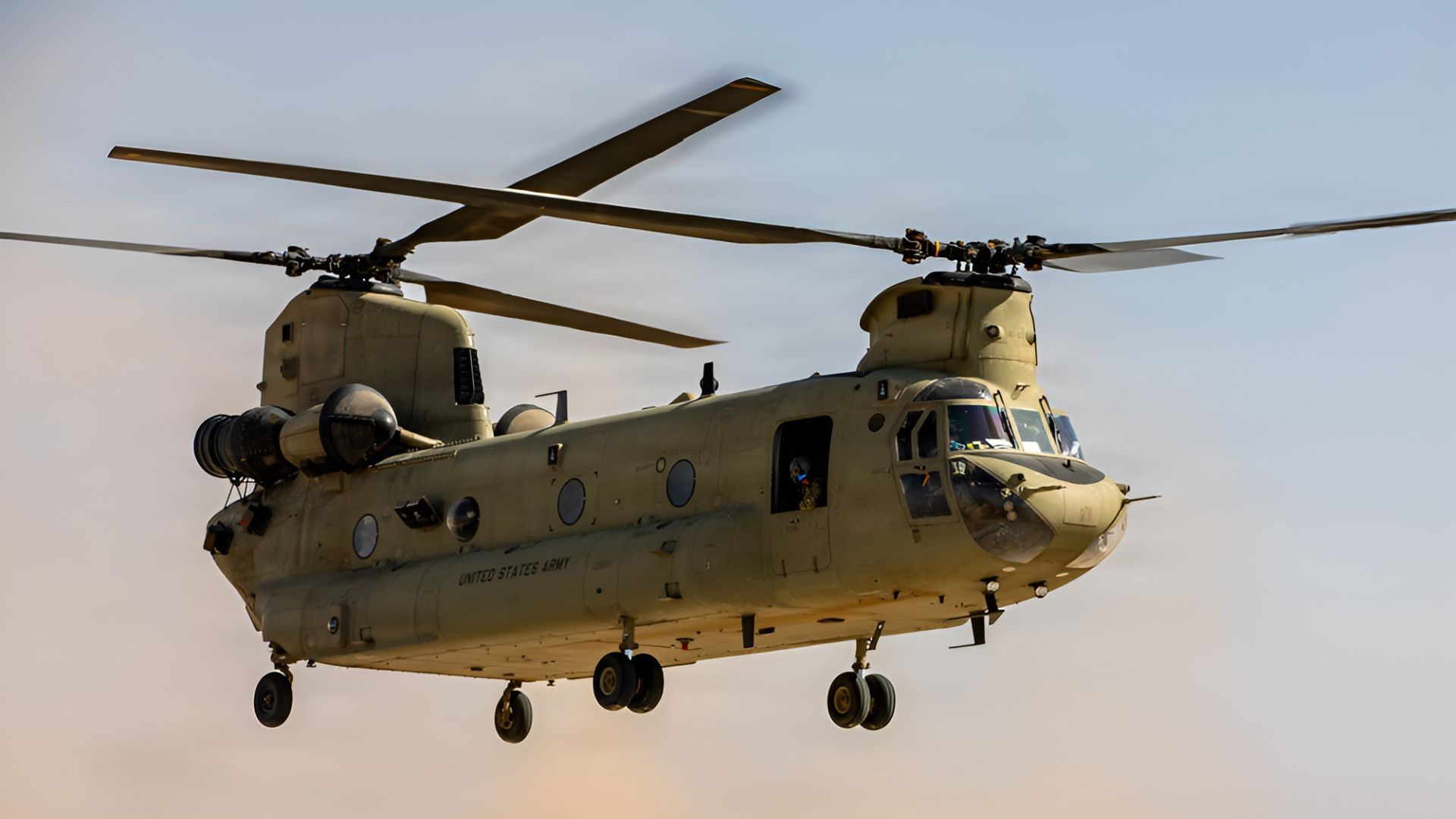
The U.S. Army is putting up to $472 million behind a new push to keep its CH-47 Chinook helicopters ready for future missions. Collins Aerospace will provide engineering support focused on modernizing the aircraft’s avionics and keeping aging systems in service. The effort goes beyond replacing older electronics. Collins will help create a more adaptable avionics setup, allowing the Army to introduce new capabilities without repeatedly reworking the aircraft’s core systems. That matters for the CH-47, which remains a key heavy-lift helicopter for the U.S. military. Its long service life also means engineers must balance new technology with equipment designed years or decades earlier. Easier upgrades Avionics sit at the center of how modern military aircraft communicate, navigate, and manage mission systems. As those technologies advance, older components can become difficult or expensive to maintain. Collins will support the Army in tackling those obsolescence issues across the Chinook fleet. Engineers will also work on integrating new capabilities more efficiently as operational requirements change. The approach could make future upgrades less disruptive. Instead of treating each new capability as a major integration exercise, the Army can work from a more flexible electronic foundation. “Collins equips the Chinook with advanced avionics that integrate communication, navigation and mission subsystems,” said Jenny Miller, vice president and general manager of Vision and Sensing Systems at Collins Aerospace. Miller said the company’s long-running work with the Army helps the fleet evolve as its requirements change. Open architecture A major part of the effort involves open and reusable avionics architecture. That design philosophy can give military engineers more freedom when introducing new hardware and software. It also has implications beyond the CH-47. The Army wants greater commonality across its aviation fleet, making it easier to apply proven avionics approaches across multiple aircraft. For the Chinook, common architecture could reduce the engineering effort involved in future technology insertions. It can also help limit integration costs and shorten the time needed to bring upgrades into service. The strategy addresses a persistent problem for military aviation. Aircraft often remain operational long after the technology inside them has become outdated. Keeping the platform viable therefore requires more than maintaining existing components. Engineers need an architecture that can absorb new technology without forcing extensive changes throughout the aircraft. Keeping Chinooks ready The new engineering work gives the Army a way to address both sides of that challenge. Collins can support current avionics sustainment while preparing the CH-47 for future upgrades. The contract has a maximum value of $472 million, giving the Army access to engineering support as modernization requirements evolve. That flexibility could prove important as the Army introduces new mission equipment and updates cockpit systems over the Chinook’s service life. For the Chinook fleet, the larger goal is straightforward. The Army wants its helicopters to remain operationally relevant without making every new avionics upgrade a major redesign effort.A more reusable architecture could help engineers get there while improving commonality across the Army’s broader aviation fleet.
New $472M electronic brain rewires aging CH-47 Chinook helicopters for new missions
Full Article
Original Source
Read the full article at Interestingengineering →KhanList aggregates and links to publicly available news content. We do not host full articles from third-party sources. Always verify important information with original sources.