
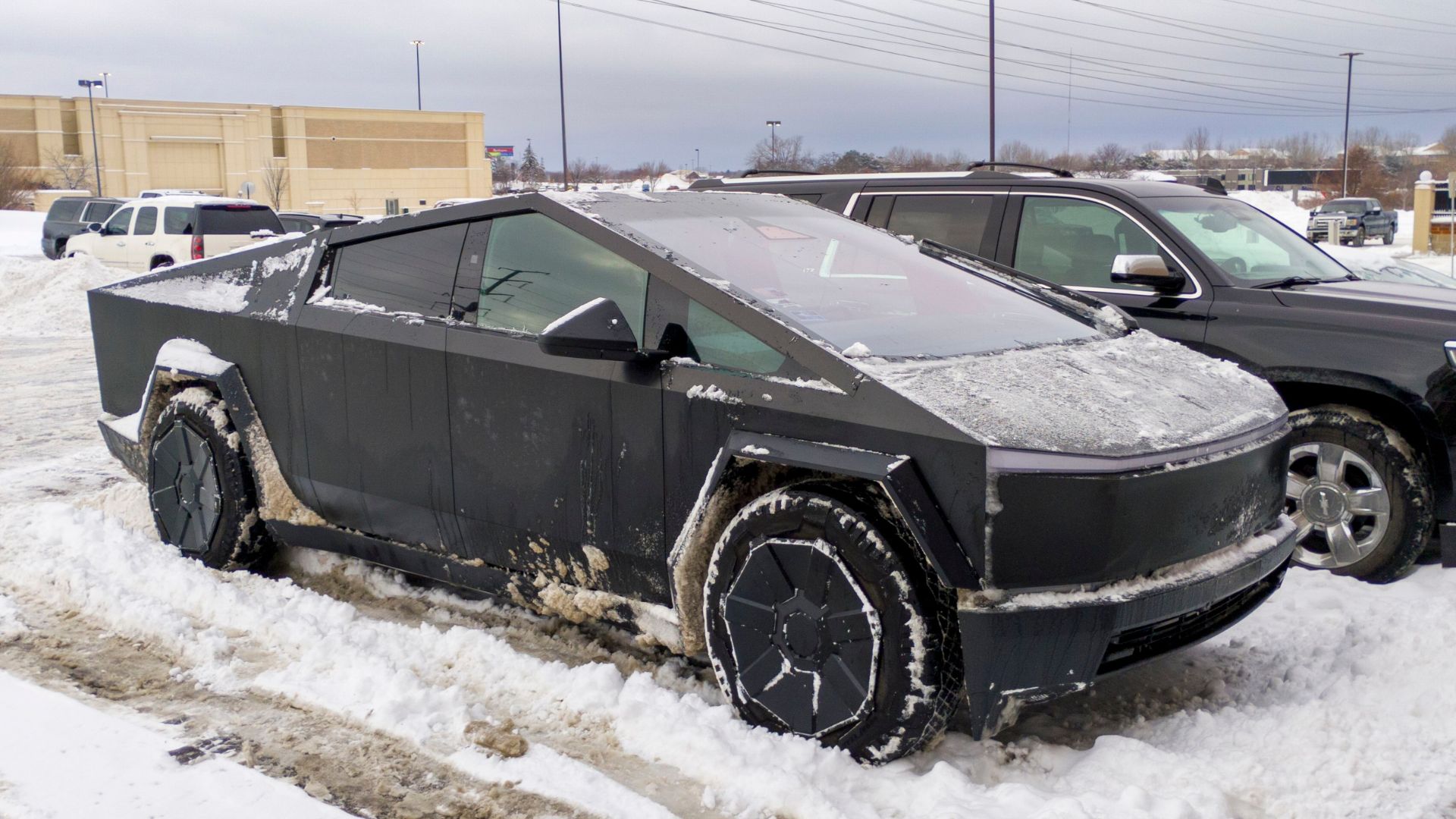
Cold weather remains one of the most persistent challenges for lithium-ion batteries. As temperatures fall, batteries can lose usable energy, deliver less power, and charge more slowly, creating problems for everything from electric cars and heavy trucks to drones and spacecraft. Israeli battery technology company Addionics says it has developed a new battery architecture designed to address that problem from inside the cell itself. The company has introduced a low-temperature battery architecture based on its Smart 3D Porous Current Collectors, which replace the flat metal foils found in conventional battery designs with an engineered three-dimensional porous structure. According to Addionics, the architecture is designed to improve the movement of lithium ions and electrons within the battery, helping cells retain more of their intended performance as temperatures drop. Why cold weather is so hard on batteries Low temperatures can create a double challenge for electric vehicles. Batteries provide less usable energy and power, while the vehicle may simultaneously need additional energy for cabin heating, battery heating, and thermal preparation before charging. Addionics says an electric vehicle can lose up to an estimated 40% of its range in severe winter conditions. The problem becomes even more significant for applications where power availability is directly tied to operational capability. A heavily loaded electric truck may face reduced power output in freezing conditions, potentially affecting payload or route planning. Defense drones can experience shorter mission durations and reduced operational range. Spacecraft, meanwhile, require energy-consuming heaters and additional thermal hardware to keep batteries within their preferred operating temperatures. The challenge, therefore, is not simply storing more energy; it is ensuring that the energy already stored remains accessible when conditions become hostile. A different approach inside the battery Traditional lithium-ion batteries typically use flat metal current collectors to support the movement of electrons through the electrode. Addionics is attempting to change that geometry. Its porous three-dimensional current collectors are designed to allow electrolyte and lithium ions to move through the structure, creating additional pathways within the electrode. According to the company, this reduces effective transport distances, improves access to active materials, and distributes electrochemical activity across a larger volume. The underlying idea is straightforward: rather than relying on improvements to a single battery material, the company is redesigning the internal architecture through which ions and electrons move. That could be particularly important in cold conditions, where electrochemical processes become more sluggish and moving lithium ions through the battery becomes increasingly difficult. “By transforming the architecture of the battery cell, Addionics is removing some of the largest limitations that electrified systems have faced,” said Dr. Moshiel Biton, Addionics’ CEO and founder. Potential applications go far beyond EVs While cold-weather EV performance is an obvious application, Addionics is positioning the technology for a much wider range of electrified systems. For electric trucks, improved low-temperature performance could help preserve power availability during long-distance winter operations. For drones, it could translate into longer missions and greater operational flexibility. Space applications could also benefit if batteries require less heating. Reducing thermal-management demands could have knock-on effects across the entire spacecraft power system, potentially lowering requirements for stored energy, solar arrays, thermal hardware, and even launch mass. Addionics says it is working with companies across sectors including automotive, defense, space, robotics, energy storage, and other industrial applications. The company’s announcement is based on its own technology claims, and the press release does not include detailed independent performance data for the newly introduced low-temperature architecture. Still, the concept highlights an increasingly important direction in battery development. Rather than focusing solely on discovering entirely new chemistries, engineers are also looking at how the physical architecture inside the cell can be redesigned to improve performance.Get the latest in engineering, tech, space & science - delivered daily to your inbox.Kaif Shaikh is a journalist and writer passionate about turning complex information into clear, impactful stories. His writing covers technology, sustainability, geopolitics, and occasionally fiction. A graduate in Journalism and Mass Communication, his work has appeared in the Times of India and beyond. After a near-fatal experience, Kaif began seeing both stories and silences differently. Outside work, he juggles far too many projects and passions, but always makes time to read, reflect, and hold onto the thread of wonder.
New 3D battery architecture could help EVs deliver more power in cold weather
Full Article
Original Source
Read the full article at Interestingengineering →KhanList aggregates and links to publicly available news content. We do not host full articles from third-party sources. Always verify important information with original sources.