
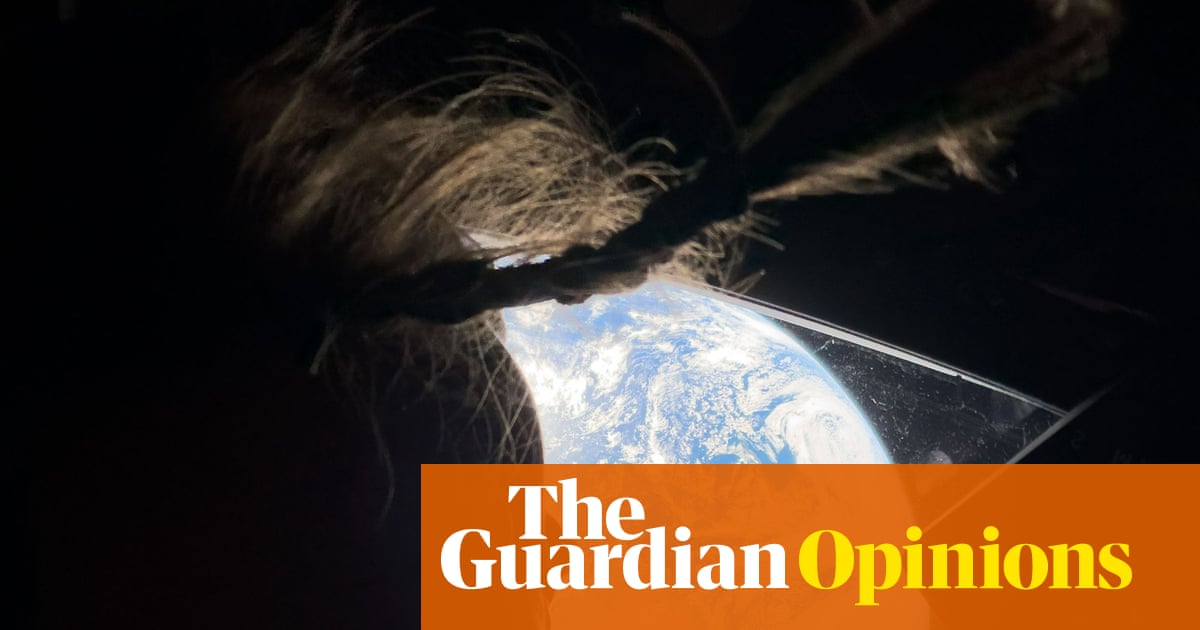
Nasa is hiring and I’m over the moon. The US space agency is recruiting its next cohort of astronauts to work on the lunar surface and “help write the next chapter of humanity’s greatest adventure”. Applications close on 3 December.This isn’t the only job I’ve been swooning over lately. I can’t tell you how many hours I’ve lost to posts about deliciously distant jobs: running the world’s southernmost post office in Antarctica, where staff double as penguin counters, or minding the Great Blasket island off the coast of County Kerry, where the northern lights sometimes shimmer over the North Atlantic. All of it bathed in a warm, rosy glow. In our always-on world, swapping the inbox for an island – or, for the truly frazzled, the moon – seems less like a job and more like a wellness retreat.But decades of research into space and polar psychology show that extreme isolation is no picnic. It takes someone with a very particular skill-set to live on the moon. Fear not, Houston, we have a solution.First, the problem. In space, no one can hear you scream, slam a door or moan about how loudly your fellow astronaut is chewing. Sleep suffers. Privacy evaporates. Tempers fray. Just ask the crews at Concordia, the frigid Antarctic research base used as a stand-in for space. When researchers followed two overwintering teams, they found that mood and coping slid through the long polar winter, as people retreated into a kind of low-power mode dubbed “psychological hibernation”.This year, a study of another Concordia crew told a similar story. Over 10 months, loneliness and conflict rose. And data from proximity sensors revealed that the more time people spent together, the more they clashed.The successful Nasa candidate will need to cope with all this, while displaying “technical excellence, sound judgment, teamwork, and courage”. So, who has the right stuff? Not necessarily the square-jawed test pilot of legend. When it comes to keeping a crew together, personality and values matter more than age or gender. I’d like to nominate the ultimate pool of elite survivors: midlife women caught in the sandwich-generation crunch. AKA, me.Hear me out. I’ve spent more than two decades in a confined environment with people who don’t always get on, rarely follow instructions and occasionally need rescuing. Nasa calls this a mission. I call it Tuesday.And while I may not be trained to fix the environmental control and life support system that recycles sweat and urine into drinking water, I have turned a term’s worth of student laundry, delivered home in a bin bag, into something almost wearable. All this while managing my mum’s medical appointments, dealing with an elderly dog and juggling work deadlines.Lest you think I’m joking, science is on my side. As we get older, we become more emotionally stable. We also get better at heading off or defusing situations that wind us up. Psychologists think this is because, as time starts to feel limited, we prioritise emotional wellbeing over winning. Or, as I put it, I no longer have the time or energy to bicker over the thermostat setting.Then there’s multitasking. Whether women are naturally better is hotly disputed. But one study found that working mums spend about 10 more hours a week doing two things at once than working dads – mainly housework and childcare. For women like me, that means years of practice. Juggling on the moon would be a breeze.skip past newsletter promotionafter newsletter promotionWe’re also cheaper to run. A European Space Agency model found that female astronauts need less food, water and oxygen than men, and produce less carbon dioxide and heat.But our real superpower is older than any space programme.Humans are among the very few species in which females live long past their fertile years. According to the “grandmother hypothesis”, this is because older women help to feed and care for their grandchildren. That support pays off: maternal grandmothers tend to boost their grandkids’ chances of survival, helping their own genes to live on. And that instinct to look after others doesn’t stop at family. Older people are more willing to put in effort to help others than younger people are. In other words, looking after people is in our DNA.Admittedly, applicants must be US citizens, and I’m British. Minor detail. And it’s not that I want to get away from my family. It’s just that I have so much to give. To humanity. From 384,400km away.Here’s what Nasa has been missing: midlife women have been training for this job for years. Solving problems, defusing tensions, keeping everyone fed, watered and breathing – we do it every day, largely unnoticed, and we absolutely smash it.So, Nasa, sign me up. One small step for a middle-aged woman, one giant leap for the sandwich generation. I’m ready to go, as long as I’m back in time to pick up my mum’s prescription. Helen Pilcher is a science writer and the author of Life Changing: How Humans Are Altering Life on Earth and This Book May Cause Side Effects
Nasa, please send me to the moon. Science says I’m the perfect crew member | Helen Pilcher
Full Article
Original Source
Read the full article at Theguardian →KhanList aggregates and links to publicly available news content. We do not host full articles from third-party sources. Always verify important information with original sources.