
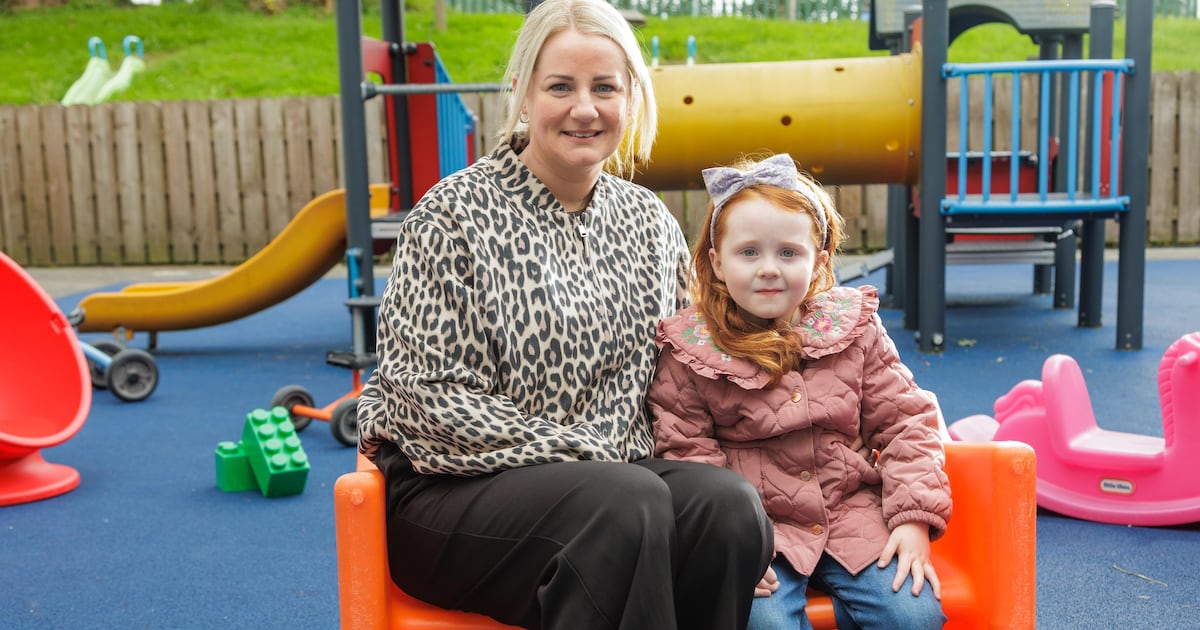
One of the most anticipated measures in Budget 2027 – a significant decrease in childcare costs – has received a muted welcome. Caroline De Bank, a Co Sligo mother of three, including one child in creche, said the cap on fees of €550 a month “sounds great ... [but] I’m not sure about it,” she said. “They’re talking about capping childcare fees but that’s not going to happen until September of next year.” In addition, while her four-year-old daughter will be eligible for it, the fees cap applies only to children aged up to senior infants class [about six years old] and will apply only to childcare facilities within the core funding scheme. READ MORECore funding is the funding stream provided by the Department of Children to providers who sign up to it. Minister for Children Norma Foley, at a budget briefing on Tuesday, said the goal was, within the lifetime of the Government, to bring fees down to €200 a month for all children, irrespective of their age, in core funding care.Currently fees for a child up to six, in 45 hours of care a week, are capped at €735 a month. From September next year these families look set to save about €2,000 a year. Providers expressed concern the €550 cap on what they may charge would not be adequately compensated by the core funding scheme, which could force some providers out of core funding. Childhood Services Ireland (CSI), an Ibec group representing early learning and care providers, said: “Any measure that puts money back into parents’ pockets is good news.”“However, what we find very concerning is that providers are being told they will have to reduce fees without yet knowing how much additional core funding, if any, will be available to compensate for that reduction in income,” said CSI director Stephanie Roy. Foley said, however, the overall increase in the core funding budget was 35 per cent, which she believed would offset the reduction in fees they could charge.Improving childcare availability and affordability is a key measure in addressing child poverty – a policy priority for the Government – by enabling more parents take up employment. Barnardos, the charity working with the most vulnerable children and their families, welcomed the promised reduction in fees. “The increased subsidy will significantly reduce costs for many families paying high fees,” it said. “However, we need to see more detail to determine whether the measures will better support those community providers providing places for children experiencing the highest levels of disadvantage, who most benefit from early years care.”[ The Irish Times view on childcare: a crunch issue for Budget 2027Opens in new window ]Echoing the charity, De Bank said she too had hoped to see measures to support staff at family resources centre crèches, such as the one her daughter attends. “There is a mention of an increase in [childcare worker] wages ... There’s nothing tangible there in regards to how much are you going to increase salaries [or] what are you going to do to retain staff? How are you going to help owners to run their businesses and stay in the green?”De Bank wants to see “more strategic thinking” in a “five- or 10-year plan for childcare”. A feared reduction in Tusla’s budget to help pay the department’s contribution towards overruns in the Department of Education did not materialise. Tusla will see its budget increase next year to €1.4 billion – up from €1.2 billion this year. Included in the budget uplift for the agency will be funds to fully open all 26 special care beds. Currently just 15 of the most secure care beds, for the most at-risk children, are open due to severe challenges recruiting and retaining staff. Foley said the “target” was to have the remaining 11 beds open by the end of 2027. Funding had been secured for 33.5 new posts at Oberstown Children’s Detention Centre, she said. The 46-bed campus in north Co Dublin has been at the centre of bitter industrial actions in recent months over pay and conditions. A further priority for this Government is improving the position of disabled people, with the publication of a National Human Rights Strategy for Disabled People this year, and a looming first examination by the United Nations on compliance with the Convention on the Rights of Persons with Disabilities, early in 2027. The Minister of State with responsibility for disability, Emer Higgins, detailed an additional €62 million secured for disability residential services, plans for 212 new residential placements for disabled people, and 150 new posts secured in children’s disability network teams.
Muted welcome for childcare cost reduction measures including €550 cap on fees
Full Article
Original Source
Read the full article at Irishtimes →KhanList aggregates and links to publicly available news content. We do not host full articles from third-party sources. Always verify important information with original sources.