
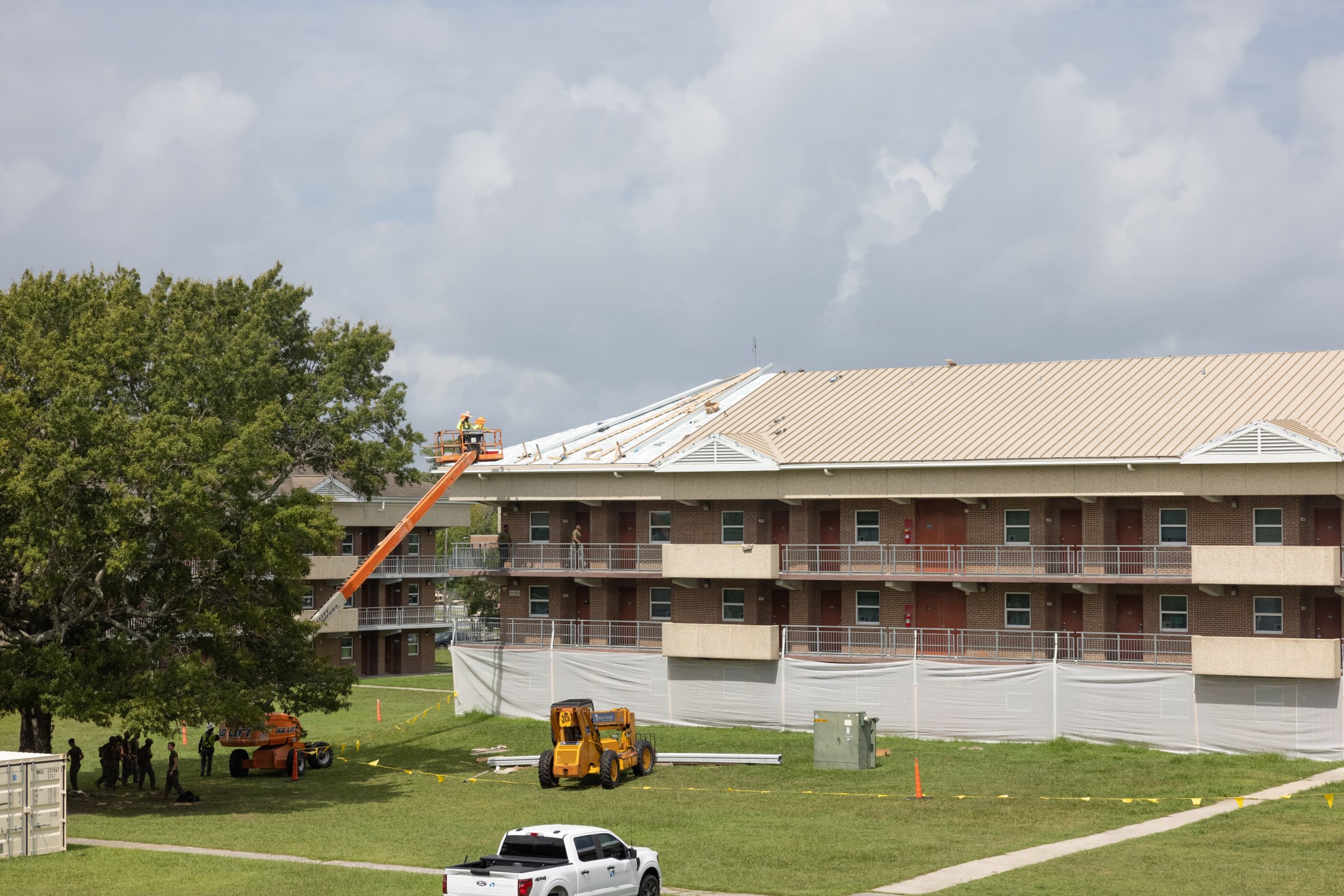
On the heels of the establishment of a new Pentagon barracks task force led by Marine Corps Medal of Honor recipient Dakota Meyer, the Corps has released an unprecedentedly detailed list of rights and standards explaining exactly what troops should expect from their on-base living quarters. A Marine administrative message published this month lays out freshly established “unified, non-negotiable standards of livability, accountability, and maintenance responsiveness across all installations.” The goal, according to the message, is to “aggressively eliminate habitability gaps” while clearly laying out the steps Marines must take to pursue redress for barracks problems that arise. The Marine Corps is in the midst of a years-long effort to improve barracks standards, dating back to a September 2023 Government Accountability Office report that identified mold, vermin and water damage across base housing. The Barracks 2030 initiative, launched in 2024, laid out a plan for service-wide inspections, followed by modernization and improved management practices. The new message cites Barracks 2030 as well as the Secretary of War’s Barracks Task Force, established last year. Meyer was brought in to lead the task force last month. For the first time, the new MarAdmin defines what makes housing uninhabitable, which then gives Marines the right to refuse barracks without facing consequences from their chain of command. Any of the following criteria, according to the message, can make a room unlivable: -Visible presence of mold/mildew -Visible evidence of pest infestation -Inoperable HVAC -Inoperable door/window locks -Inoperable plumbing/sewage -Inoperable hot water Marines are not only permitted to refuse uninhabitable housing; they are also given the right to request mast, or ask for an audience with their commanding officer, “starting with their company commander, up to and including the commander exercising general court-martial convening authority,” to ask for their living situation to be made right. In response to a question from Military Times about what happens if a Marine refuses housing, a Marine Corps official provided a statement saying that the command would work to promptly provide suitable alternatives. This may include providing a Marine with an allowance for off-base housing if a better barracks situation isn’t available. “The first priority is to relocate the Marine to available on-base housing or temporary lodging while the issue is assessed and addressed,” the official said. “If appropriate on-base options are not available, the command may consider other authorized arrangements, including processing eligibility for Basic Allowance for Housing (BAH) so the Marine can obtain housing in the local community.” The message also spells out for the first time what amenities and utilities Marines should expect from their barracks rooms, including drinkable tap water; reliable hot water at a minimum of 110 degrees Fahrenheit; Wi-Fi connectivity; climate control within 70-74 degrees F; a functional refrigerator; and a clean, stain-free mattress. Walls and floors should be free of cracks and damage, and windows and doors should be functional and secure. The Marine Corps previously published a bill of rights for barracks residents in 2023, but failed to define key terms, including what makes a barracks uninhabitable and a checklist of what Marines should expect from their rooms at move-in. This newest message, in addition to those things, lays out the responsibilities of barracks managers – now a civilian role under Barracks 2030 – and inspection timeframes and checklists. It requires commanders to ensure all their Marines are “fully briefed” on their rights and protections in reporting substandard housing and calls for the removal of active-duty Marines from any housing management assignments they’re still carrying out. While the 2023 bill of rights described the Marines’ unaccompanied housing program as “supporting operational readiness,” the new message uses more urgent language, connecting safe housing to warfighting readiness. “Every Marine assigned to UH is guaranteed a safe, secure, and reliable barracks room and living environment,” the message states. “Compromises in habitability degrade warfighting capability and will not be tolerated under any circumstance.”
Marines’ new housing bill of rights defines when they can refuse a barracks room
Full Article
Original Source
Read the full article at Militarytimes →KhanList aggregates and links to publicly available news content. We do not host full articles from third-party sources. Always verify important information with original sources.