
One in three power plants in the Visayas is fueled by coal, based on the Department of Energy's list of existing power plants, as of July 2026 The Visayas grid relies heavily on renewable energy, yet is projected to face multiple red alerts in 2027 due to rising energy demand and system failures. Unplanned outages of coal power plants, particularly in Cebu, are causing frequent grid alerts, with calls for decentralized energy solutions and battery energy storage systems to mitigate future risks. This is AI-generated. Read the article for full context. Report any errors. CEBU, Philippines – More than 50% of the Visayas grid’s power generation mix comes from renewable energy sources and yet the region is expected to face multiple red alerts in 2027 primarily due to its rising energy demand and multiple system failures. Energy Secretary Sharon Garin attributed the problem to a lack of planning and the failure of the National Grid Corporation of the Philippines (NGCP) to secure ancillary services procurement agreements (ASPAs) for 250 megawatts of power reserves. The NGCP disclosed in a September situation report that more than 1,500 megawatts were unavailable due to forced plant outages and reduced operating capacities even with imports from Luzon. Garin said that the power reserves are supposed to offset the lack of supply in some areas and keep plants operating at a stable capacity, instead of putting them under immense stress to constantly produce energy. But where are these plant outages happening? The Institute for Climate and Sustainable Cities (ICSC), citing the Daily Guardian, noted the shutdown of the following coal plants in the region: Therma Visayas Inc. Unit 1 (TVI 1) – 150 MW: Offline for 125 days since May 3; expected to return by September 15 Therma Visayas Inc. Unit 2 (TVI 2) – 150 MW: Offline for 6 days since September 9, but previously offline for 161 days from March 24 to August 31; no indicative return date Panay Energy Development Corp. Unit 3 (PEDC 3) – 150 MW: Offline for 16 days since August 29; previously targeted to return by October 3 but was pushed to end-of-October Cebu Energy Development Corp. Unit 1 (CEDC 1) – 82 MW: Offline for 42 days from July 24 to September 3 “Unplanned and extended outages from coal power plants are the primary driver of these frequent grid alerts, particularly during peak demand hours when the system has the least room to absorb the loss of a large generating unit,” the ICSC said. Based on the DOE’s list of existing power plants as of July 31, 2026, one in three power plants in the Visayas is fueled by coal, contributing around 1,267 megawatts of dependable energy capacity in the region. The energy generation mix varies across the region’s five island sub-grids: Cebu, Bohol, Panay, Negros, and Leyte-Samar. Cebu is where a majority of the energy from coal is coming from, and hosts the coal-fired power plants that have been on forced and unplanned outages in recent months. The Cebu island sub-grid consists of coal (82.03%), diesel (12.94%), solar (4.93%), and hydroelectric (0.1%) power plants. During the Cebu Energy Summit on October 12, the NGCP said that Cebu carries the largest share of the Visayas grid’s manual load dropping allocation, which was at 42%. Bohol’s energy mix is primarily run by its diesel power plants. The Bohol In-Island Diesel Power Plant, operated by the Mapalad Power Corporation (MPC), provides 60 MW in dependable capacity, while Salcon Power Corporation’s (SPC) Tagbilaran City-based diesel power plant and power barge provide 16 MW and 29 MW, respectively. Two-thirds of Panay’s energy mix relies on coal. Three units of the Panay Energy Development Corporation’s (PEDC) circulating fluidized bed coal-fired thermal power plants contribute a total of 317.4 MW in dependable capacity, and Palm Concepcion Power Corporation’s (PCPC) coal-fired thermal power plant provides up to 135 MW in dependable capacity. It’s only in the Leyte-Samar and Negros island sub-grids where renewable energy holds more than half of the energy generation allocations. Negros receives around 433.3 MW in dependable capacity from its solar power plants, while the Leyte-Samar sub-grid’s geothermal plants alone generate 634 MW in dependable capacity. The road ahead is still long for Visayas’ energy mix as the DOE expects to see new base load plants between 2028 to 2030. Garin said that the new plants would come from coal, nuclear, diesel, and geothermal energy sources. Alberto Dalusung III, Energy Transition Advisor at ICSC, told Rappler in an interview on October 5, that in the short term, battery energy storage systems (BESS) would help ease the operation of power plants and prevent more unwanted outages. “We don’t actually need more base load plants…The long-term solution is to have a decentralized, distributed and flexible grid,” Dalusung said. For this to happen, the energy expert explained, more BESSes have to be deployed in areas where they can immediately discharge stored energy when peak demand spikes, and develop local embedded power generation systems to provide energy close to where it is needed. – Rappler.com How does this make you feel? Loading
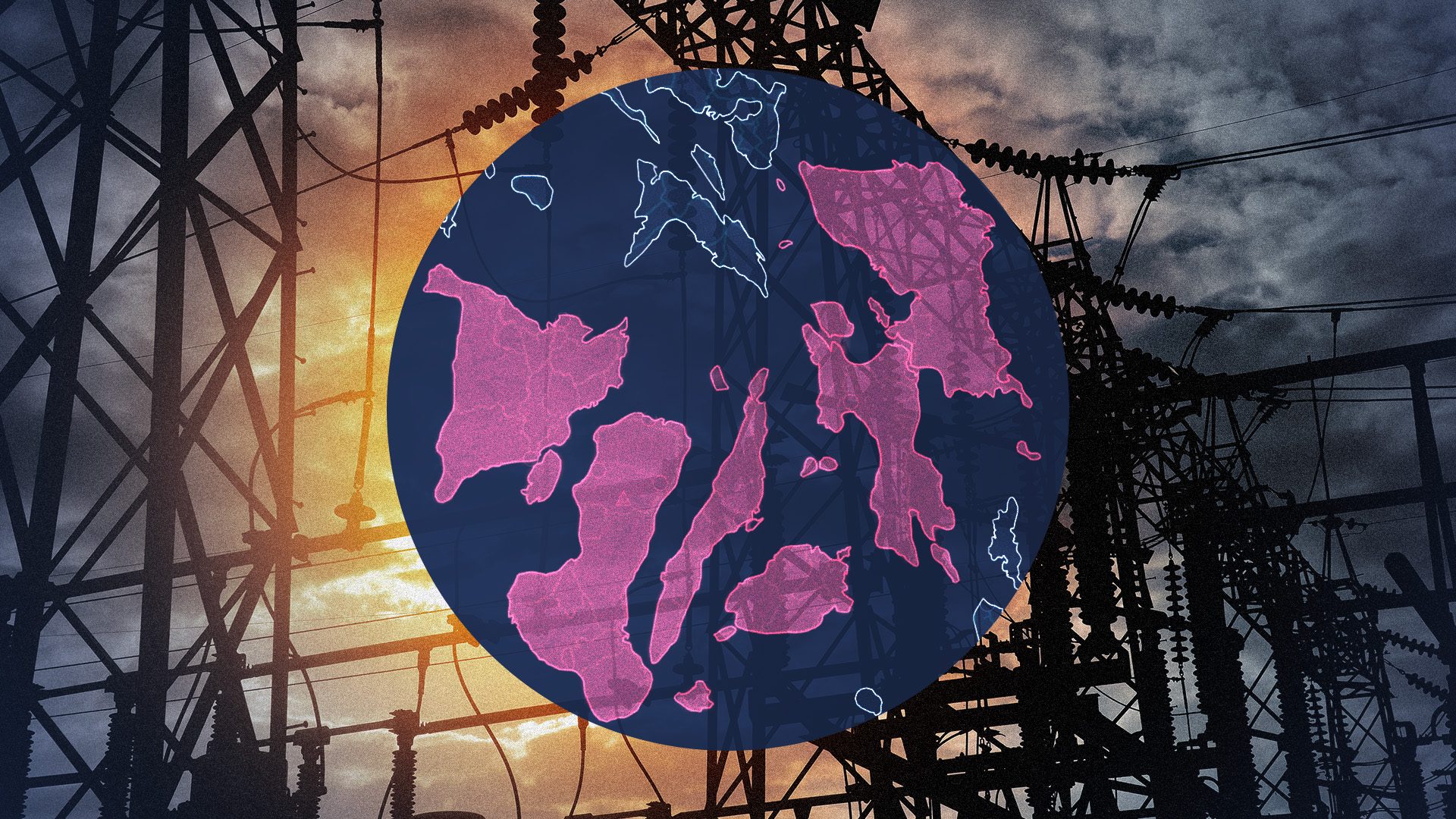
MAP: Power plants in the Visayas grid
Full Article
Original Source
Read the full article at Rappler →KhanList aggregates and links to publicly available news content. We do not host full articles from third-party sources. Always verify important information with original sources.