
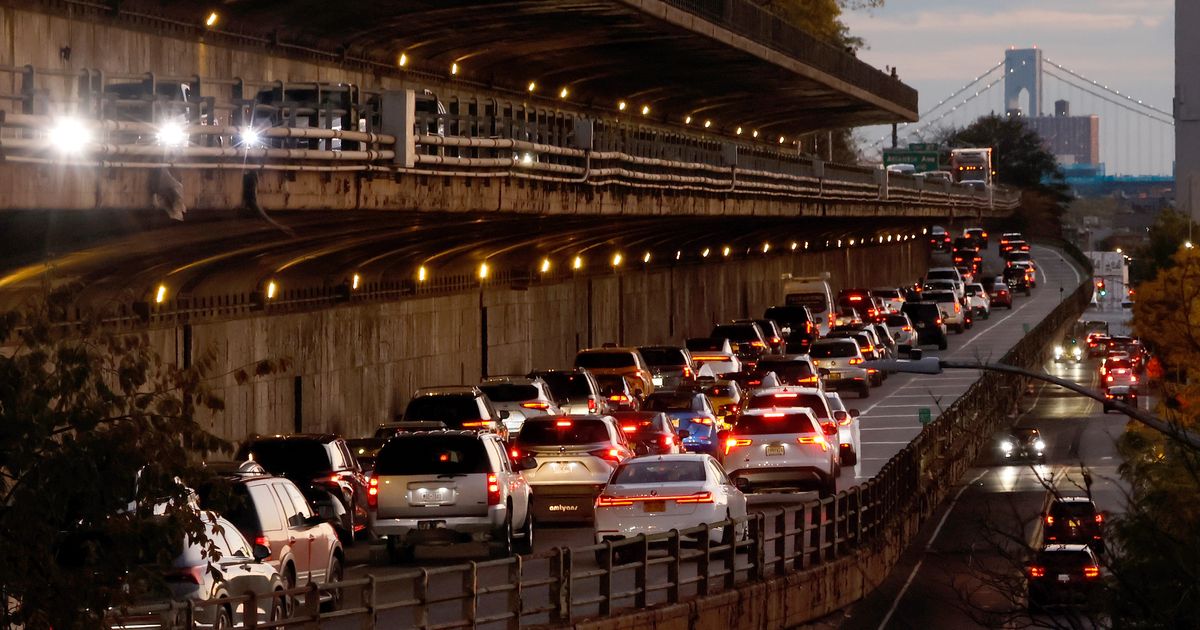
By , New York Magazine’s architecture and classical-music critic since 2007 and was the recipient of the Pulitzer Prize for Criticism in 2002. Photo: Gary Hershorn/Getty Images Fixing the Brooklyn-Queens Expressway is one of those always urgent city building problems that can be endlessly postponed. So Zohran Mamdani deserves at least tentative kudos for taking it on so early in his administration and for offering a solution that, while resoundingly imperfect, at least seems grounded in the real world. The state controls most of the BQE, but the city’s responsibility covers the dilapidated and dangerous mile-and-a-half slice from Atlantic Avenue past the Brooklyn Bridge to Sands Street — including the famous triple-cantilever section just below the Brooklyn Heights Promenade. For decades, Mamdani’s predecessors have found the only choice more politically unpalatable than letting the whole three-layer cake of infrastructure crumble away is trying to stop it from crumbling. The new plan envisions flanking the old double-stacked highway with a temporary new one over Furman Street, which runs between the Heights cliffside and Brooklyn Bridge Park. Step two involves rebuilding the existing structure right where it is, before finally dismantling the bypass — and voilà, a brand-new, possibly obsolete hunk of infrastructure that might just be completed by 2040 and should have been done a generation ago. In the meantime, both Brooklyn Heights and Brooklyn Bridge Park will have to tolerate a decade of racket and disruption and hope the result is worthwhile. The Mamdani administration’s proposal is still thin on details, so it’s hard to gauge its compromises or side effects, but it appears the mayor has embraced the least bad option, somewhere between his predecessor’s grand vision of a highway wrapped in fresh parkland and the current regime of keeping the thing alive with Band-Aids and aspirin. The new plan is relatively modest for a $4 billion, ten-year project: two lanes instead of three in each direction and no changes to the basic course of the road, essentially a replica of the 1950s original. Photo: Erik Pendzich/Shutterstock To understand the choices Mamdani faced, it helps to rewind to 2006, when the Federal Highway Administration, together with the state and city transportation departments, issued a report recommending the construction of a temporary alternative highway next to the old one, running along Furman Street and spilling over into the flat, then-disused wharves below Brooklyn Heights. But Mayor Michael Bloomberg was in a hurry to build Brooklyn Bridge Park in the same spot, and he forged ahead without waiting for the roadway project to crawl into reality. As a result, New York got a great public space — and resuscitating the BQE became far more complicated and cumbersome. Bloomberg’s successor, Bill de Blasio, then floated an idea so outlandishly aggressive that it survived only long enough to be torn to shreds: slap a temporary highway down on the Brooklyn Heights Promenade, six lanes of traffic during six years of work. (Construction timelines are highly theoretical, as anyone who has ever renovated a bathroom knows.) The proposal acknowledged, with exquisite understatement, that it would have a “dramatic community impact.” When that dream died, de Blasio settled for reducing the number of traffic lanes on the existing quasi-ruin from three to two and trying to prevent overweight trucks from using the road. Decay marched on, only a little more slowly. Adams had even greater ambitions and less follow-through. He wanted to reconstruct the city’s section of the highway, modernize its engineering, and widen the roadbed to accommodate three lanes in each direction built to more space-hogging contemporary standards. The plan was still nominally in the works during the waning months of his administration, but it never made it past the wishful-thinking stage. Mamdani’s alternative would revisit the 2006 strategy by threading an elevated bypass into the narrow slot between the BQE and Brooklyn Bridge Park. But it would hardly be damage free. Streetsblog reports that “the project will impact a long list of park space, including Squibb Park, Hillside Dog Park, Anchorage Plaza, Clumber Corner, Bar and Grill Park, Adam Yauch Park, and part of Harry Chapin Playground.” The berms that now effectively keep truck noise out of the park’s peaceful bowers will likely be reduced to helpless bystanders, if they can even remain in place during construction — and for everyone on the Promenade, there will be plenty of dust and din to mar the serene views. The immediate question is just how neat an insertion the new BQE can get away with. The next is whether the mayor has accumulated enough goodwill to muscle his project past the inevitable gauntlet of complaints and litigation or whether workers will still be nervously kicking the steel columns in the middle of the 21st century and hoping the whole apparatus doesn’t sag. Will the BQE Survive the Trump Administration? A Well-Engineered BQE Plan, Inspiration Not Included So Is the BQE Going to Collapse? See All Mamdani’s $4 Billion, 10-Year, Middle-of-the-Road BQE Fix Your product is saved! You’ll receive emails when your saved products go on sale. Manage preferences.
Mamdani’s $4 Billion, 10-Year, Middle-of-the-Road BQE Fix
Full Article
Original Source
Read the full article at Curbed →KhanList aggregates and links to publicly available news content. We do not host full articles from third-party sources. Always verify important information with original sources.