
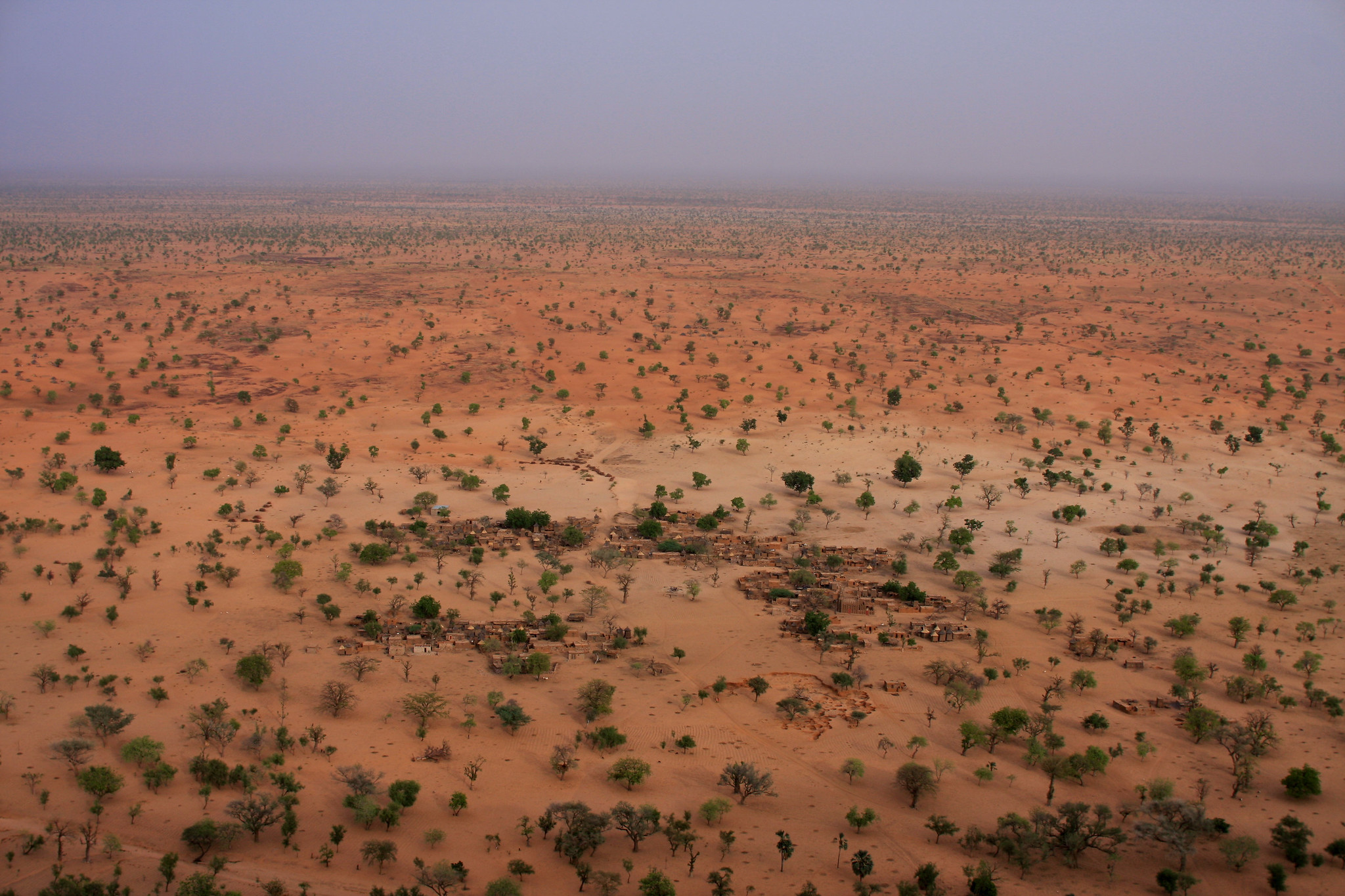
Rokiatu Traoré, president of a social enterprise in Mali that uses agroforestry to restore degraded land and create jobs for women and youths, has been named a Changemaker at the United Nations’ Sustainable Development Goals Action Awards. “I work in Mali, where lands are becoming drier every year. Many farmers struggle with degraded soil, smaller harvests, and fewer economic opportunities,” Traoré said at the Oct. 29 awards ceremony in Rome. “I founded Herou Alliance to restore degraded lands and create real economic opportunities for communities in rural areas.” The Herou Alliance uses an agroforestry model that creates value by producing seedlings, training farmers, and planting trees. Since 2021, the organization has built commercial value chains around the moringa tree (Moringa oleifera). Traoré has said in a past interview that she’s sometimes even referred to as the “Moringa Queen.” The alliance develops “products derived from the leaves, flowers and seeds of this plant, which we process into different products: herbal tea, powder, honey, soap, spices, dietary supplements for the national, regional and international market,” Traoré told Mongabay by phone. The moringa tree is native to South Asia, but is now widely grown in other parts of the world, including in Africa. This fast-growing deciduous tree is sometimes called the miracle tree because of its range of uses. Almost all parts of the plant are edible, with the leaves considered especially nutritious as a source of vitamins, minerals, and proteins. The seeds can be pressed to extract the oil, and the residue can be used for water purification. The tree is also known to be resilient to drought, which makes it suitable for drier conditions, where it’s been planted as part of reforestation or afforestation programs to stop land degradation. However, there’s insufficient research on how well it does in such programs in the arid Sahel region of Africa. Traoré said that beyond its role in restoring degraded land and helping halt the advance of the desert, moringa provides a versatile and valuable raw material for manufacturing cosmetics, food, and even medicinal products. She added this transformative value, anchored by the tree’s well-established ecological and socioeconomic roles, earned her project a nomination for the 2026 edition of the U.N. SDG Action Awards. The Herou Alliance has set a target of restoring 10 million hectares (25 million acres) of degraded land in Mali by 2040. Land degradation affected 11.5 million hectares (28.4 acres) in the country in 2019, impacting more than 6.5 million people, according to the United Nations Convention to Combat Desertification (UNCCD). “We’ve planted so far 150,000 moringa and baobab [trees] and trained over 2,000 smallholder farmers in rural areas,” Traoré said at the awards ceremony. “Restoring land is restoring opportunities.” Banner image: A view of the Bandiagara escarpment in Mali. Image courtesy of Johannes Zielcke via Flickr. (CC BY-SA 4.0). Credits Topics
Mali’s ‘Moringa Queen’ wins UN recognition for restoring degraded land
Full Article
Original Source
Read the full article at News →KhanList aggregates and links to publicly available news content. We do not host full articles from third-party sources. Always verify important information with original sources.