
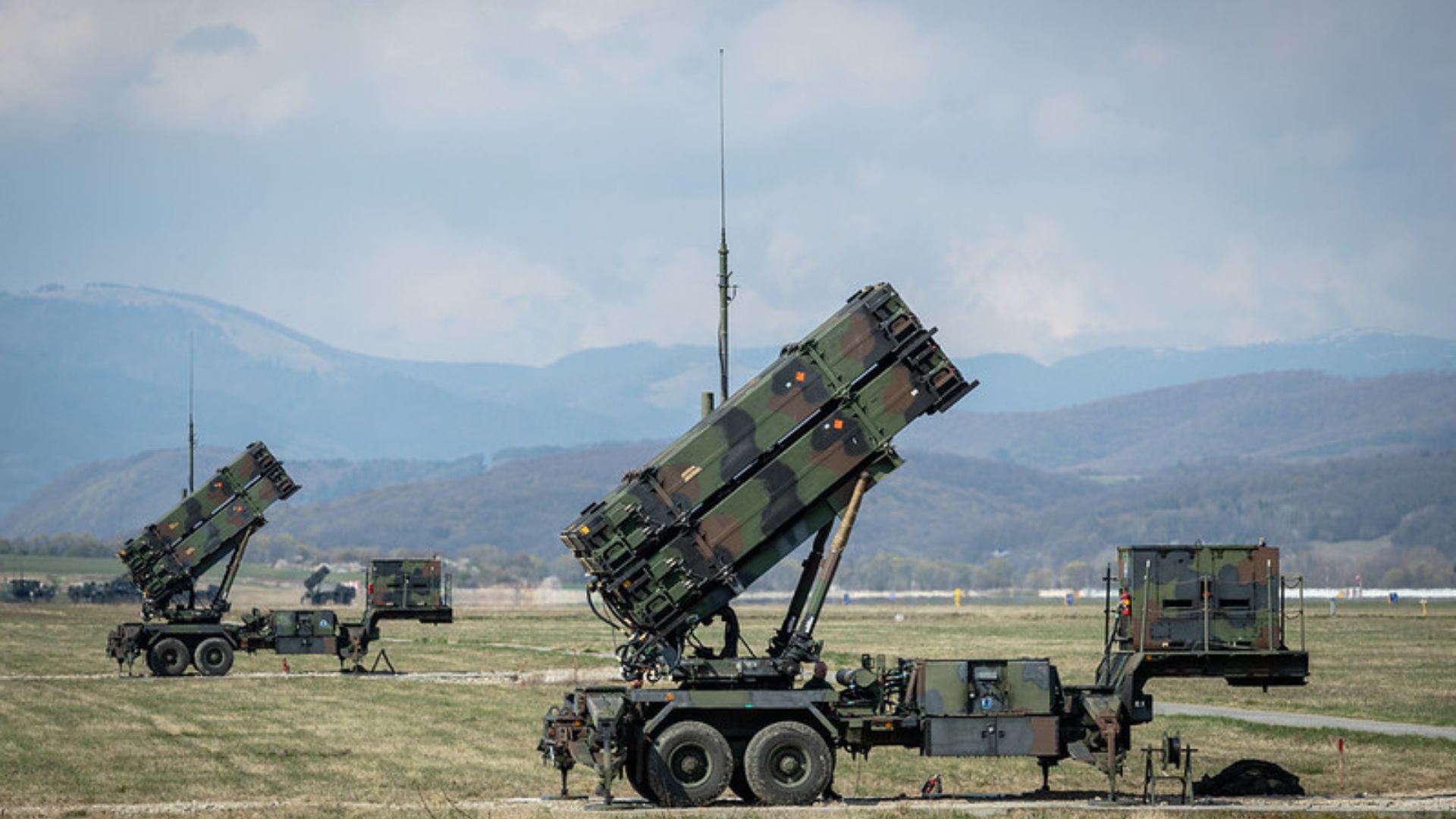
Lockheed Martin has demonstrated an artificial intelligence-driven battle management prototype designed to help coordinate the complex mix of air and missile defense systems planned for Guam. The company tested its Guam Defense System (GDS) Battle Manager Suite prototype in a simulated operational environment at the Army Tactical Systems Integration Lab at Fort Bliss, Texas. The system is designed to combine information from multiple Integrated Air and Missile Defense (IAMD) networks, build a single tactical picture, analyze incoming threats using AI, and recommend how commanders should respond. The demonstration comes as the U.S. military works toward building a layered air and missile defense architecture for Guam, a strategically important American territory in the Western Pacific that could play a crucial role in any future Indo-Pacific conflict. AI helps sort hundreds of potential threats According to Lockheed Martin, the prototype continuously examined hundreds of tracks and used AI-driven analytics to prioritize threats and recommend potential responses. Rather than requiring operators to piece together information from multiple systems manually, the software combines sensor, weapon, and engagement data into a common tactical picture. The prototype integrated information from systems including Aegis Guam and the Integrated Battle Command System (IBCS). Commanders could also view information such as weapon inventories and available engagement opportunities across the broader operational area. The idea is to reduce the time between detecting a threat and deciding which interceptor or weapon system should respond. “In missile defense, seconds can determine whether an operator protects a populated island or exhausts precious interceptors,” said Tiffany Marr, director of CommandIQ, Golden Dome for America C2 and Advanced Concepts at Lockheed Martin. The company says the system can recommend the optimal weapon for an incoming threat, potentially helping commanders preserve expensive interceptors while maximizing the number of threats that can be engaged. Moving from manual coordination to algorithmic shot selection Traditional integrated air and missile defense operations can require operators to coordinate through documents, voice communications, text messages and manual calculations. Lockheed Martin’s prototype attempts to automate much of that process through its CommandIQ software platform. The system uses AI-driven, algorithmic shot selection informed by thousands of simulations, according to the company. Rather than replacing human decision-makers, the technology is intended to provide recommendations that allow operators to process more information and make decisions faster. The open-architecture approach also allows the system to integrate new software and data sources rapidly. During the demonstration, the suite incorporated pre-planned warfighter responses, Air Task Orders, Airspace Control Orders and IAMD defense planning information, as well as capabilities supplied by defense technology partners. That flexibility could become increasingly important as missile defense networks incorporate new sensors, interceptors and autonomous systems. Built and integrated in less than two months Lockheed Martin said the prototype was developed after the U.S. Army called for a Guam Defense System Battle Manager Suite solution in June 2026. The company was invited to a second-phase evaluation at Fort Bliss and demonstrated the system less than two months later. According to Lockheed Martin, the prototype was integrated into the Tactical Systems Integration Lab environment within 24 hours of arrival and met all demonstration criteria within a week. The company had previously demonstrated rapid software-driven command-and-control integration during Valiant Shield 2026, and says the Guam prototype builds on that work. In a place like Guam, where an attack could involve multiple types of missiles and aerial threats arriving within a limited timeframe, the ability to turn a vast amount of battlefield data into rapid engagement recommendations could become just as important as the interceptors themselves. Get the latest in engineering, tech, space & science - delivered daily to your inbox.Kaif Shaikh is a journalist and writer passionate about turning complex information into clear, impactful stories. His writing covers technology, sustainability, geopolitics, and occasionally fiction. A graduate in Journalism and Mass Communication, his work has appeared in the Times of India and beyond. After a near-fatal experience, Kaif began seeing both stories and silences differently. Outside work, he juggles far too many projects and passions, but always makes time to read, reflect, and hold onto the thread of wonder.
Lockheed Martin tests smart battle system to defend Guam from missile attacks
Full Article
Original Source
Read the full article at Interestingengineering →KhanList aggregates and links to publicly available news content. We do not host full articles from third-party sources. Always verify important information with original sources.