Water management and retention Described as the proverbial “roof of Europe”, Czechia sees all its rivers, streams and waterways flow out of the country – a systemic and geological drainage which makes the country particularly dependent on precipitation from above. “This is a significant disadvantage, because most of the water we manage has to be retained: in the landscape, soil, hydrogeological structures or water reservoirs,” says Adam Vizina, head of the hydrology department at the Water Management Research Institute. Water management and retention are, therefore, key for this landlocked country, yet the authorities appear short on solutions. “Water will always flow away, but we can reduce our vulnerability,” argues Vizina, listing measures such as slowing runoff, interconnecting water supply systems, managing water reservoirs better, or protecting the quality and quantity of groundwater. The state reportedly spent 75 billion crowns (about 3 billion euros) in the past three years on drought adaptation, yet experts – including a report by the Supreme Audit Office published last March – have criticised the slow pace and limited scope of the measures. The Slovak Academy of Sciences recently released its “Vision for Slovakia 2040”, an extensive 90-page framework document commissioned by the government of Robert Fico, laying out the key policy challenges for the next 15 years. Among other challenges, the forward-looking blueprint “identifies more frequent droughts as a key consequence of climate change and argues that strengthening water management, increasing landscape water retention and improving the resilience of agriculture and ecosystems should be central priorities for Slovakia’s long-term development.” Whether the authorities will act on the recommendations is another matter, with experts long highlighting key shortcomings in Slovakia’s water management practices, from a fragmented governance between different institutions and ministries, a lack of concrete follow-through, or scattered water data hindering real-time monitoring. Czechia and Slovakia’s subpar water-management has deep roots dating back to decades of intensive farming that followed its collectivisation in the 1950s and 1960s under communism – with all that entailed in terms of land consolidation, water erosion and reduced soil fertility, among other environmental impacts. On the upside, the Czech Republic continues to receive roughly the same amount of rain on average every year as it used to, according to some estimates. But the way, time and place it does are changing, as must the measures meant to retain and manage it more effectively, experts say: less rainfall in the spring but more in the fall, more intense precipitation during storms, but less frequent episodes of long-term and widespread rain. According to Milan Vitek from the local branch of Greenpeace, Czechia might soon be faced with the choice of keeping its scarce water either in the rivers or in its fields, but won’t be able to do both. “Adaptation is something that we are decades behind when we could’ve been much further ahead,” he previously told BIRN. Water management or retention are also recently being cited as a silver bullet to solve Hungary’s problems. Although Hungary has a renewable water reservoir of 11,833 cubic metres per person, one of the largest in Central Europe (only Slovenia and Serbia have more in the region), 95 per cent of that originates from outside and simply flows through the country. The building of dams or hydroelectric power plants has been a politically sensitive issue since the controversial plan to build the Bos-Nagymaros dam on the Danube helped trigger popular revolt against the Communist government in 1990. Since then, proposals for new dams and hydropower projects have remained politically off-limits in Hungary. But times are changing. Laszlo Gajdos, the new Hungarian government’s environment minister, said at the height of the extreme heat at the beginning of July that “water is one of our most valuable resources for the future”. Gajdos said the government must do everything it can to improve water retention, even with dam construction where necessary. “We should not let water flow through Hungary; it needs to be retained somehow. Personally, I don’t like this method, but it seems inevitable building some dams,” he told RTL.hu. The government of Peter Magyar is working on a new climate and environmental law, expected by late autumn, which is set to address water management issues. Gajdos, who became Hungary’s first environment minister in 16 years, stressed that water retention is a regional issue requiring cooperation with neighbouring countries. Andras Szollosi-Nagy, who used to advise international organisations including the UN on water diplomacy and is the founder member of the World Water Council, could not agree more. “Water retention is always somehow part of national sovereignty,” Szollosi-Nagy says. “The country upstream believes all the water is theirs, but if they retain it, neighbouring countries are affected. We need integrated water management in the region.” He says there is no silver bullet to solve all the problems. Dams, reservoirs, new technologies, satellite-based monitoring and controlled flooding could all play a role. “Hungary’s water management system has been systematically dismantled in recent decades. Now we need to rebuild it from scratch,” he says.
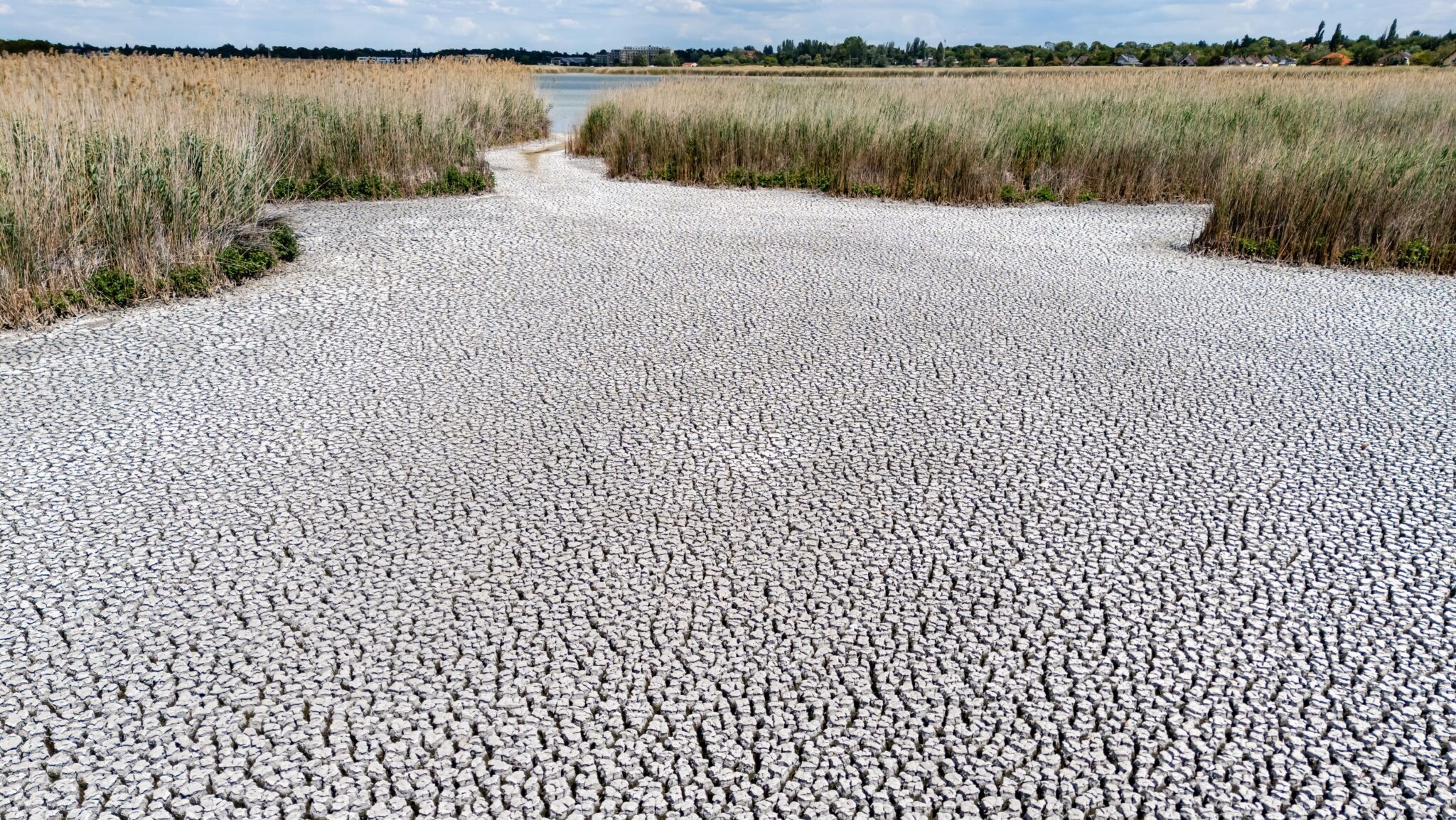
Left High and Dry: Drought Exposes Central Europe’s Water Crisis
Full Article
Original Source
Read the full article at Balkaninsight →KhanList aggregates and links to publicly available news content. We do not host full articles from third-party sources. Always verify important information with original sources.