
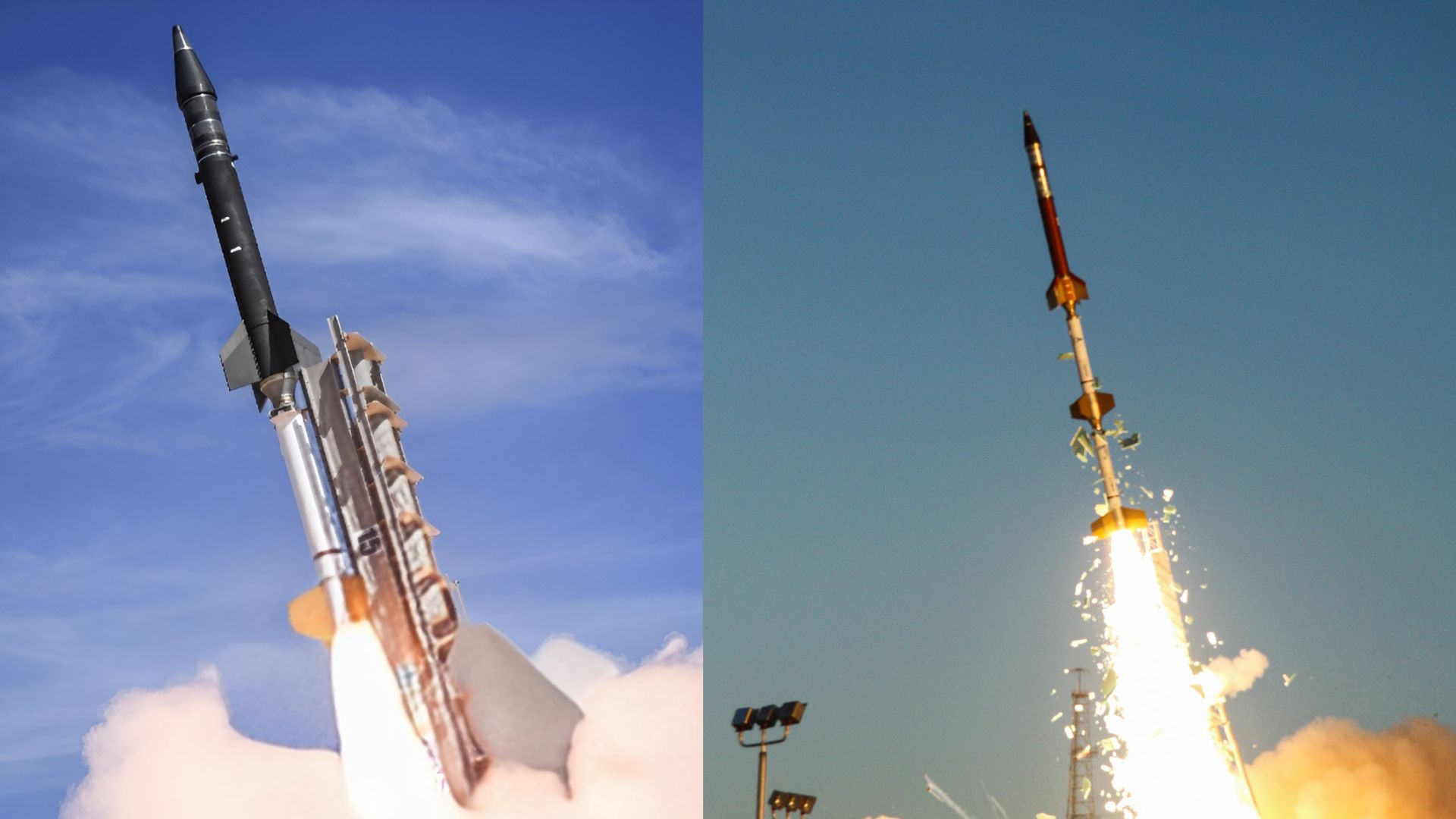
Kratos has flown its ARAV-B ballistic missile target during a multinational missile defense exercise around Hawaii. The target launched August 6 from the Pacific Missile Range Facility. Its flight supported Pacific Dragon 2026, led by the U.S. 3rd Fleet. The exercise brought together American forces with partners from Australia, Chile, Italy, Japan, South Korea and Spain. It focused on coordinated missile defense and tactical data sharing. Target built for threats ARAV-B gives missile defense crews something they cannot get from simulations alone. It puts a physical target into the flight environment for radars and combat systems to track. The vehicle has now completed 43 successful target missions. Those missions have supported the Naval Surface Warfare Center, White Sands Detachment, and Missile Defense Agency. ARAV-B uses two stages and spin stabilization during flight. Its upper stage uses Kratos’ commercially developed Oriole rocket motor. That design sits within a larger family of configurable ballistic missile targets. Kratos offers Type C and Type TTO variants alongside the Type B. Each configuration can produce different flight characteristics for defense testing. Engineers can use those differences to recreate specific threat profiles during missile defense trials. The target family can also support missions beyond conventional ballistic missile testing. Kratos says its systems can be adapted for demanding hypersonic flight tests. Aegis faces live target One important system involved in Pacific Dragon was aboard the USS Jack H. Lucas. The destroyer carries the Aegis Baseline 10 combat system and AN/SPY-6 radar. Those systems need representative targets to validate how they perform against incoming threats. A live target can expose tracking and engagement systems to conditions that laboratory testing cannot fully reproduce. Dave Carter, president of Kratos’ Defense and Rocket Support Services division, connected the launch directly to that testing requirement. He said Kratos designed the ARAV-B to provide affordable targets that represent realistic threats. Carter specifically cited the Baseline 10 system and SPY-6 radar aboard the destroyer. The exercise also tested how allied forces shared tactical information during missile defense operations. That matters when multiple ships and sensors must build a common picture of an incoming threat. Pacific Dragon ran from August 6 through August 15 in waters around the Hawaiian Islands. The exercise therefore combined live target activity with a broader multinational defense scenario. Target family expands Kratos has pushed the same modular approach into other target configurations. Its three-stage TTO vehicle uses Terrier, Terrier and Oriole rocket stages. The company says its flight-proven target systems can support hypersonic testing above Mach 10. Those missions can involve low-altitude trajectories and longer flight durations. The Oriole motor also connects the target program with Kratos’ wider rocket portfolio. That portfolio includes the larger Zeus rocket family and Erinyes hypersonic test vehicle. Kratos CEO Eric DeMarco framed that investment around hardware rather than development concepts. He said the company uses internal funding to move defense technology into fieldable systems faster. That approach also gives missile defense developers access to targets built around commercially developed propulsion technology. It can reduce the need to create entirely new target architectures for every test scenario. Pacific Dragon gave those systems a demanding operational setting. The ARAV-B launch added another live ballistic target to an exercise built around making allied missile defenses work together. Get the latest in engineering, tech, space & science - delivered daily to your inbox.Aamir is a seasoned tech journalist with experience at Exhibit Magazine, Republic World, and PR Newswire. With a deep love for all things tech and science, he has spent years decoding the latest innovations and exploring how they shape industries, lifestyles, and the future of humanity.
Kratos ballistic target nails 43rd flight to stress-test US SPY-6 radar tracking
Full Article
Original Source
Read the full article at Interestingengineering →KhanList aggregates and links to publicly available news content. We do not host full articles from third-party sources. Always verify important information with original sources.