
Teaching children about money in 2026 is so much harder than when I was growing up. Back then, we’d use coins to do adding and subtracting for my maths homework, and my mum would let me work out how much money to give to the supermarket cashier and tot up the change we should get back. In a world that is largely cashless, where spending is done with a tap of a card or a click of a button, these lessons are harder to learn. We’ve resorted to using dried pasta for maths homework in our house! But I want to make sure that my children grow up understanding money and feeling confident around it. So, here are the lessons I want to teach them to help them on their way – including an important one I taught my daughter when she couldn’t afford an ice cream this summer. Shorts Don’t confuse expensive with successful Social media is a big influence on children these days, and my eldest daughter loves watching beauty videos. The problem is that a lot of the influencers are into very high-end products and visible displays of wealth. And when you’re young and impressionable, it’s easy to confuse that with being successful. I try to explain to my children that what you see on social media isn’t necessarily real; that influencers are often gifted expensive items or may only be showing you one part of their life. I try to explain that they don’t need to go and buy a £70 face cream from Space NK. I want them to understand that true success comes from hard work, and doesn’t necessarily look like what you see on your phone or TV. So I want them to earn their own money as soon as they can by getting a Saturday job like I did, working in my local Tesco and cleaning cars. I want them to understand the connection between how long it takes to earn money versus how quick it can be to spend it. Earning money from doing chores around the house is a good start, but it’s not the same as getting up and going to work when you’re tired or it’s cold and dark and understanding there’s a consequence if you don’t turn up. The real cost of debt The way we spend these days, by tapping our cards or clicking an app, already makes it feel like Monopoly money. And it worries me how readily available credit is, because young people who are used to buying with the touch of a button, might not even realise that the Buy Now Pay Later payment option is actually a form of debt. I was always taught that you shouldn’t live beyond your means and shouldn’t be using credit unless you have a plan for how you’ll pay it off, and that’s a lesson I want to pass on. So my children don’t see us being lavish or living beyond our means. I want them to understand what debt is, and how borrowing today can affect you in a week, a month or next year. I tell my children to eat healthy food and exercise because their bodies will thank them for it in later life, and I want them to think about money in the same way – the things we do today will have an effect in the future. Money isn’t a measure of your worth Money is often at the front and centre of our lives, but it shouldn’t be the be all and end all, it’s just a tool to help us to our goals. Being ambitious is good and being financially secure is great, but we shouldn’t fall into the trap of thinking that the number in our bank account is the thing that decides whether or not we’re succeeding in life. When I think about my own life and the moments I feel successful, they don’t usually have anything to do with money. It’s the work I feel passionate about, the confidence I have to negotiate and do my job, and the little moments every day that make you happy. All of us have different measures of success and I want my children to know that money doesn’t have to be one of them. I don’t want them to grow up rich, I want them to grow up financially confident. The importance of generosity I’ve been on the receiving end of a lot of generosity in my life and particularly after my attack. I knew that when I was in the position to pay that back, I would make sure I did. Money can buy experiences and help us have more choices, but it can also help other people and be used to contribute to the things that you care about. Generosity is often underrated but I’m a huge believer in that you reap what you sow. I think if you put good out there and help others, you’ll receive it back. That doesn’t mean you’ll make money, but you might meet a new contact or a friend, learn something or get a job opportunity, and all of that gives you a much better dopamine hit than accumulating more money in the bank. So when I talk to my children about money, I want them to know it’s not just a one-way street of gaining it – giving it away is equally important. It’s ok to make mistakes Your instinct as a parent is always to rescue your child. So when one of my daughters had spent her pocket money and couldn’t afford an ice cream in the heatwave, I didn’t want to let her sit there and watch while her sister enjoyed one. But I know that the best lessons are learned from our mistakes. I definitely had times when I was younger when I spent most of my wages on payday and then barely had enough to eat for the rest of the week, and you learn from it. I try to be pragmatic, especially with the rising cost of living. When we go to a festival for the day and the prices are hugely inflated, I don’t think it’s fair to ask them to spend their pocket money on food and drink. But I will talk to them about budgeting for the month based on what’s coming up – saving enough to buy a souvenir on a school trip, or to buy something when they’re seeing friends, for example. The main message is to save before you spend, and to make your money last. For the record though, I did buy my daughter an ice-cream that day…
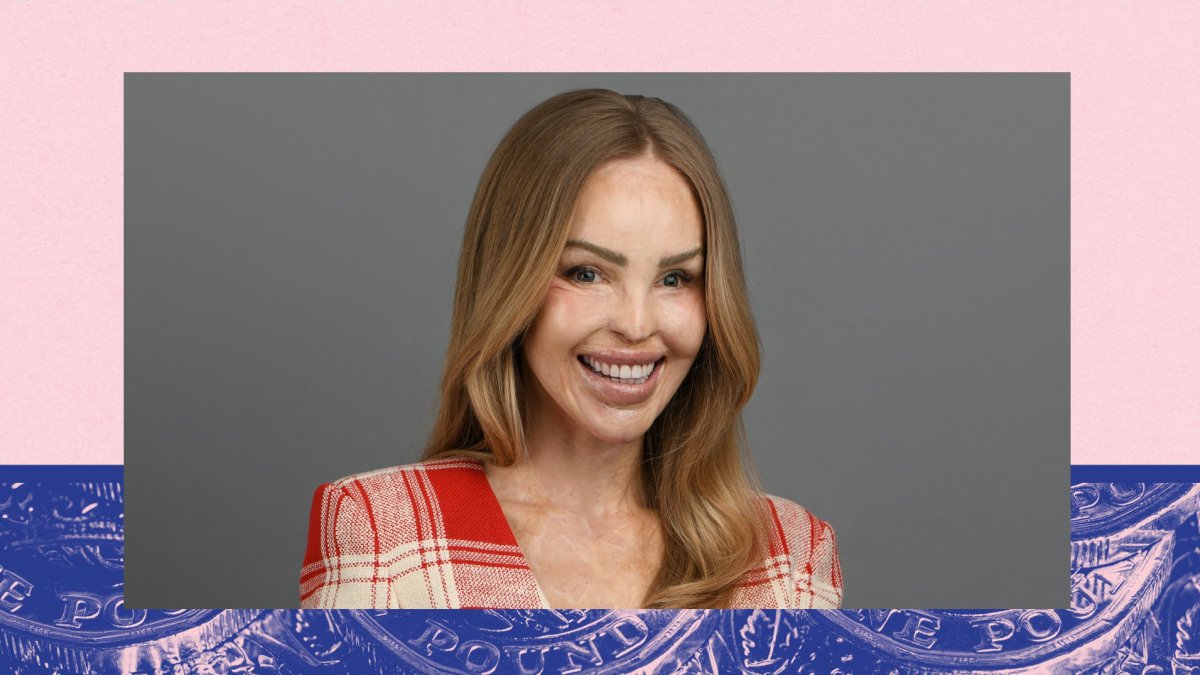
Katie Piper: What I taught my daughter when she couldn’t afford an ice cream
Full Article
Original Source
Read the full article at Inews →KhanList aggregates and links to publicly available news content. We do not host full articles from third-party sources. Always verify important information with original sources.