
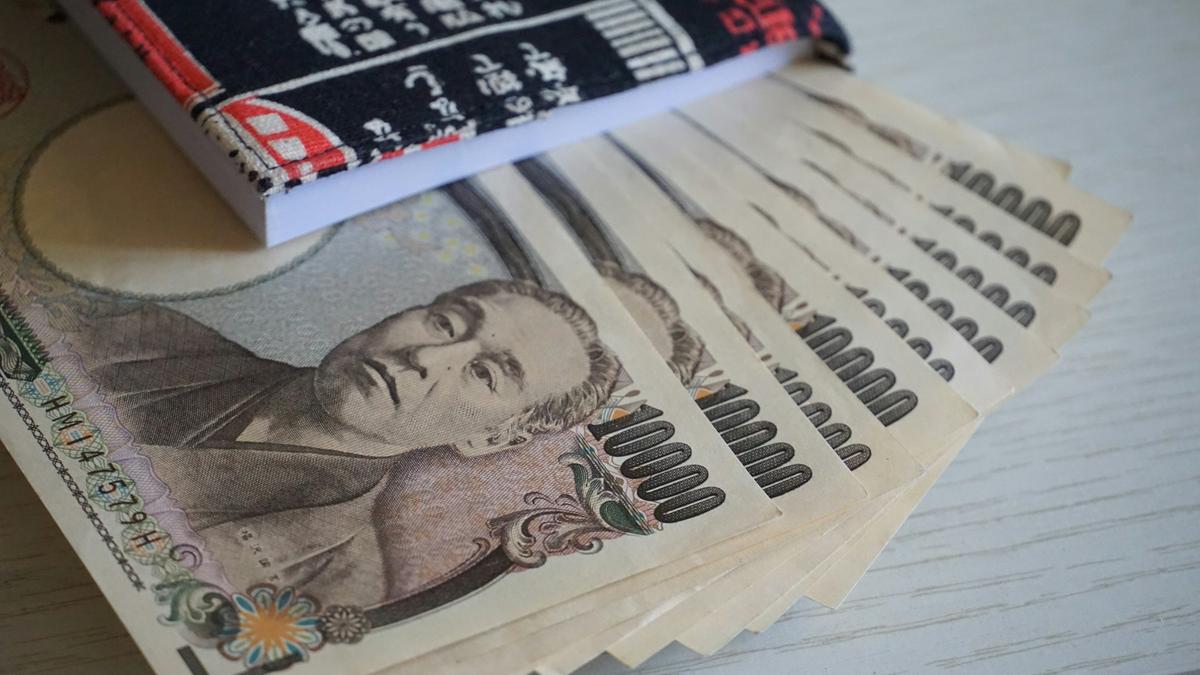
CEO Noritaka Okabe blamed a 1 million yen per-transaction cap for Type II funds transfer providers, which has slowed corporate adoption.Oct 27, 2026, 7:37 a.m. EDTThe weak figures contrast with partnerships including AZ-COM Maruwa, SBJ Bank and LINE NEXT, as Okabe targets tenfold growth in year two.JPYC reached only about a quarter of its circulation target in its first year, with 3.2 billion yen outstanding against 12.1 billion yen issued.CEO Noritaka Okabe blamed a 1 million yen per-transaction cap for Type II funds transfer providers, which has slowed corporate adoption.The weak figures contrast with partnerships including AZ-COM Maruwa, SBJ Bank and LINE NEXT, as Okabe targets tenfold growth in year two.Japan's JPYC stablecoin has fallen well short of expectations in its first year, reaching just a quarter of its issuer's circulation target despite a string of corporate partnerships.“Frankly, I don’t think it’s growing,” CEO Noritaka Okabe told NADA NEWS in an interview, acknowledging that the yen-backed token had failed to gain the traction the company expected. He said trading volume was “not bad,” but wasn’t satisfied with the amount in circulation.Only 3.2 billion yen (around $20 million) was in circulation as of Oct. 23, compared with cumulative issuance of 12.1 billion yen, Nikkei reported. That data is near the $20.85 million DeFiLlama shows, and reflects tokens that have since been redeemed, underscoring the challenge of keeping JPYC in circulation.Circulation briefly topped 4.2 billion yen in September after South Korean exchange Upbit listed JPYC. The listing pushed its market price above 1 yen and sent traders rushing to mint new tokens for arbitrage.Okabe estimated that about 35 billion yen changed hands across Upbit and Uniswap in a single day, before circulation fell back to around 3 billion yen.That matters for JPYC's business model as the stablecoin is backed by bank deposits and Japanese government bonds, with its issuer earning interest on those reserves. Less money in circulation means less potential interest income.Okabe blamed the disappointing results in part on a 1 million yen daily issuance limit tied to Japan's Type II funds-transfer rules. JPYC eased its restrictions in May, allowing 1 million yen per request rather than per day, but still restricts rapid repeat transactions.The cap has frustrated corporate adoption. Software company Asteria, which plans to hold 1 billion yen in JPYC, has been forced to build its balance through installments.The weak results also contrast with JPYC's growing list of partners. Logistics firm AZ-COM Maruwa signed an alliance in July to develop payments for about 2,300 business partners.SBJ Bank and LINE NEXT also agreed earlier this month to test bank-linked stablecoin wallet top-ups, though the project remains in the trial stage. Meanwhile, Japan's Financial Services Agency is reviewing stablecoin regulations, with a roadmap expected in early 2027.Okabe now wants circulation to reach tens of billions of yen in JPYC's second year, a roughly tenfold increase from current levels.12345678910
Japan's top yen stablecoin falls short of its target in a disappointing first year
Full Article
Original Source
Read the full article at Coindesk →KhanList aggregates and links to publicly available news content. We do not host full articles from third-party sources. Always verify important information with original sources.