
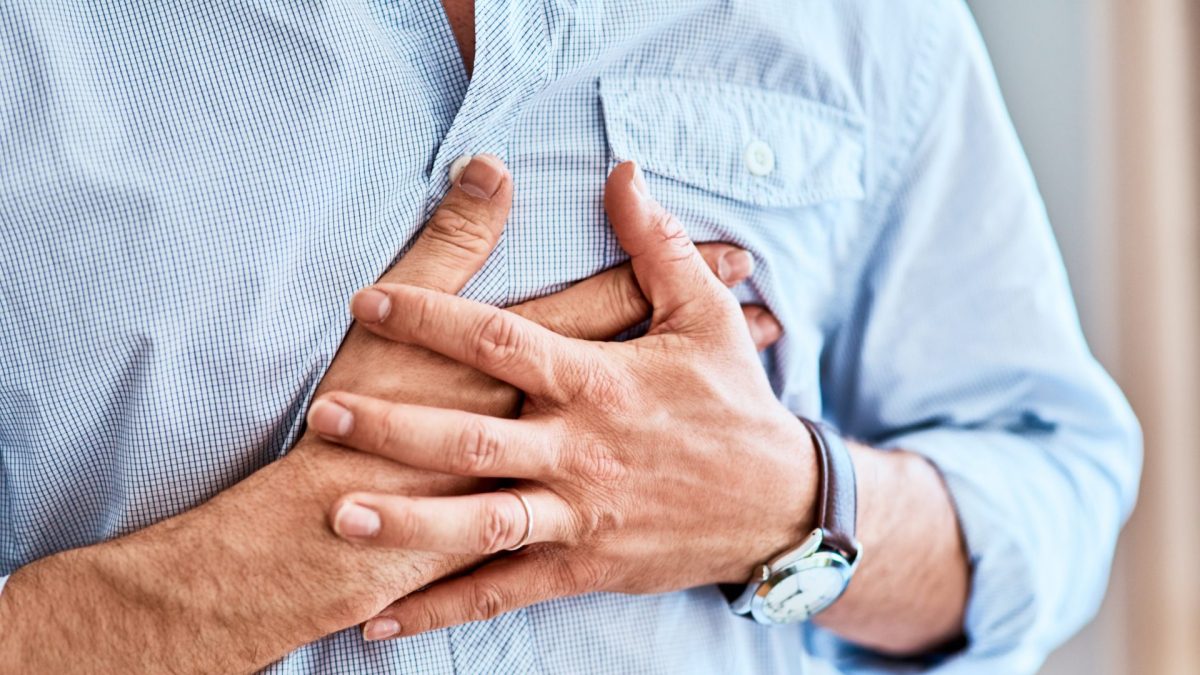
When we think of heart problems, we tend to picture someone clutching their chest in agony before collapsing. But in reality, the warning signs that something is wrong with our heart can be far more subtle – and much easier to dismiss. A little breathlessness on the stairs, swollen ankles or feeling unusually tired might seem like nothing to worry about. Yet sometimes, these seemingly harmless symptoms can be a sign of something much more serious. Dr Joao Martins, a consultant cardiologist at Nuffield Health Brighton Hospital, knows that recognising the warning signs early can make all the difference – and that it’s not always the most dramatic symptoms that should concern us. Here, he shares the seven symptoms he would never ignore. 1. Chest discomfort – even if it feels like indigestion “Symptoms that are commonly mistaken for indigestion – such as pressure, heaviness or chest burning – might also indicate an underlying heart condition. Importantly, if these symptoms occur when walking uphill or under stress, ease with rest and spread to the arms or jaw, it could be angina, a warning that the heart muscle is not getting enough blood. “If you experience new or recurring symptoms, seek prompt medical advice. Sudden chest discomfort that does not go away – particularly accompanied by nausea, sweating, breathlessness or light-headedness – means calling 999. Most heart attacks do not resemble the dramatic scenes we see on television. Symptoms can be mild, and some people have little chest pain. More important than the intensity of discomfort is the pattern leading to its occurrence and any accompanying symptoms.”2. Breathlessness that is new or out of proportion “Have you ever thought you’re breathless because you’re getting old or a bit out of shape? Being breathless after a run is normal, but I would pay closer attention if you become breathless on a familiar walk, during routine activities or when lying flat. “I would be particularly concerned if you need extra pillows to breathe comfortably, or wake up at night gasping for air – these can be signs that the heart is struggling to pump effectively, but it can also be progressive heart valve disease, an abnormal heart rhythm, lung conditions or anaemia. Being breathless does not automatically mean you have a heart problem, but the useful question is: what has changed? If activities you previously managed comfortably now leave you short of breath, please seek medical advice.” Dr Joao Martins is a cardiologist with Nuffield Health Brighton Hospital 3. A racing, fluttering or irregular heartbeat “Healthy people can occasionally notice a skipped beat, heart pounding or a brief flutter. Triggers such as caffeine, stress and poor sleep can cause palpitations, and many episodes are harmless. However, I would not ignore a new pattern, episodes that keep returning, or a heartbeat that races unexpectedly. This is especially important if they are accompanied by light-headedness, shortness of breath or even chest pain. One possible cause is atrial fibrillation, an irregular heart rhythm that can increase the risk of stroke. “Other rhythm disturbances may also require prompt diagnosis. The aim is to record what the heart is doing, often with an ECG or a portable monitor. These tests – commonly known as Holters – allow cardiologists to correlate symptoms with the ECG traces being recorded. A smartwatch recording may help, but cannot reliably exclude a problem. Arrange a GP or cardiology assessment for recurring or unexplained symptoms. If palpitations are happening alongside chest pain, breathlessness, feeling faint or fainting, call 999.” 4. Fainting or an unexplained blackout “Fainting can have straightforward explanations, such as extreme heat, dehydration or standing for too long. However, I would not dismiss an unexplained blackout, particularly one that happens during exercise or without any warning. “A blackout that comes out of the blue can be a warning sign of a heart rhythm problem, even if you feel perfectly well. The cause can be a dangerous heart rhythm or even a narrowed heart valve restricting blood flow. The most important aspect is to understand the circumstances: was there nausea or sweating beforehand? Did the heart race? Did anyone witness it? Do you take any medications that can interfere with the heart rhythm or blood pressure? A family history of sudden unexplained death is another important detail to tell your cardiologist. After an unexplained blackout, seek advice about whether it is safe to drive again before doing so.” Symptoms like fainting or disturbed sleep should not be ignored (Photo: AsiaVision/Getty/E+) 5. Persistent swelling of the ankles or legs “Are your shoes becoming tighter and you are putting on weight? Before assuming it is all down to diet, new and persistent leg swelling may be a sign of heart disease. This is particularly important if both legs are affected. Of course, causes such as a long day on your feet, varicose veins or even some medications are common. “However, if there is associated breathlessness or reduced stamina, possible explanations include heart failure, meaning the heart is not pumping blood as effectively as it should. Alternatively, a heart valve may be too tight or even leaky. Heart failure may sound quite alarming, but effective treatments are available. Talk to your GP or cardiologist about these symptoms.” 6. Unusual fatigue or a clear drop in stamina “With a hectic lifestyle, it is legitimate to feel tired. However, I would not ignore a new, persistent and unexplained change in what you can normally do. Perhaps you are struggling to keep up with friends, carrying the shopping feels exhausting, or you are quietly giving up activities you previously enjoyed. “This is a slow process and many people may not recognise how much their stamina has declined over time. Tiredness is a vague symptom and is not a reliable sign of heart disease. Anaemia, thyroid problems, disturbed sleep and many other conditions can produce similar symptoms. Nonetheless, getting checked is essential to rule out any underlying conditions, cardiac or not.” 7. Sudden weakness or trouble speaking “Stroke can happen at any age. If one side of your face suddenly droops, one arm becomes weak, or you struggle to get your words out, call 999 immediately. Sudden loss of vision or balance can also be warning signs. Even if the symptoms disappear within minutes, do not ignore them. When a younger and healthy adult has a stroke and the usual tests don’t reveal a cause, one possibility to consider is a patent foramen ovale, or PFO. This is a small opening between the heart’s upper chambers that normally closes after birth. It remains open in about one in four people and usually causes no problems. “Occasionally, though, a blood clot can pass through it, travel to the brain and cause a stroke. If specialists conclude it probably played a role, closing it can reduce the risk of another stroke. Closing a PFO is usually a straightforward, day case procedure.”
I’m a cardiologist – the seven heart symptoms I would never ignore
Full Article
Original Source
Read the full article at Inews →KhanList aggregates and links to publicly available news content. We do not host full articles from third-party sources. Always verify important information with original sources.