
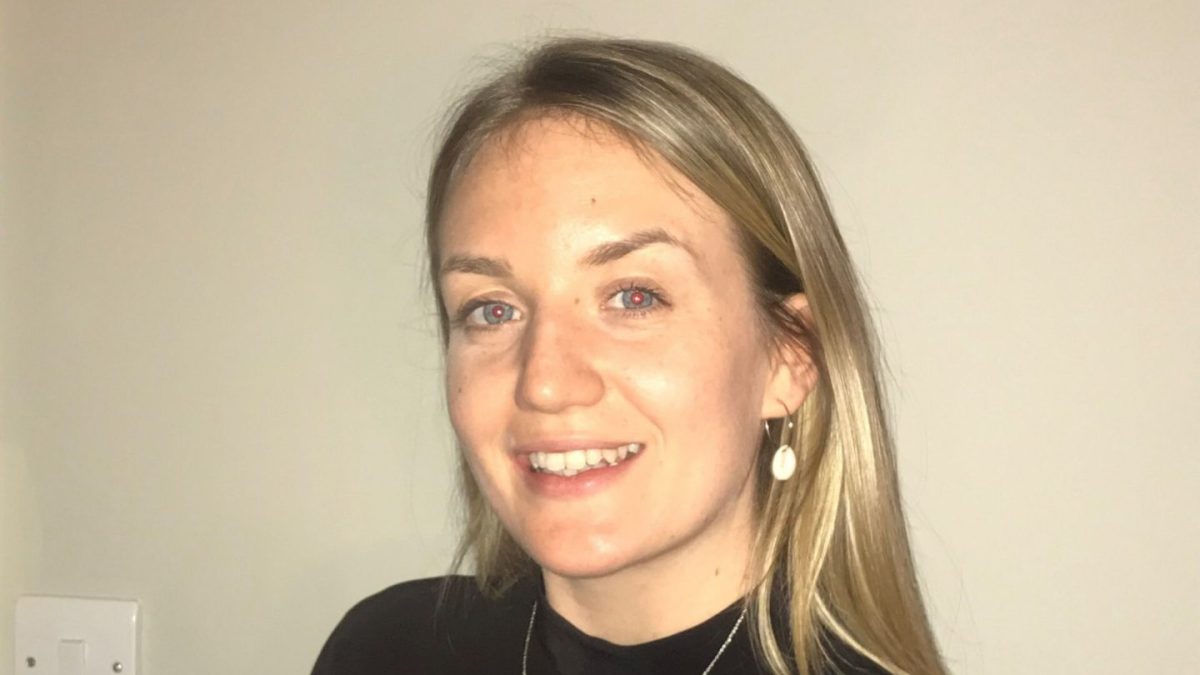
Jane Wilson, 28, was previously paying £120 per month into her workplace pension but recently stopped all contributions as it was no longer a financial priority. The Londoner, who works in communications, bought a flat for £393,000 earlier this year. She is now having to pay her mortgage and expenses by herself for the first time which is costing her £2,500 a month and says she is struggling. “Having bought a one-bed in north London by myself, I have had to stop putting any money into pensions or savings for the time being to plug the gap. Shorts “I also have a second weekend and evening job to get by. I babysit where I can which gives me an extra £120 a month, along with the small additions I earn from random side jobs.” Jane says right now she would rather have the “spare cash” which she wants to use to improve her flat but also visit her sister in Australia. Before buying her flat, Jane was putting in up to £400 a month into a savings account but has not saved since her home purchase. She added: “I don’t intend for this to be forever. I plan to start paying into my workplace pension again soon, depending on salary increase. “In my eyes, I’ll have to work for so long in any case – so there’s time to make up for a few years of no payments.” Jane has some savings but doesn’t want to touch them in case she needs to use them for an emergency. “This is my biggest concern as a single homeowner – being hit with an unforeseen cost,” she added. Her grandad has set aside around £50,000 for her which she plans to put towards her retirement. How young people are missing out Görkem Barron, a financial planner at Lubbock Fine, crunched the numbers to illustrate how opting out of your pension can make you lose out on vital retirement savings. Age: 25 Annual salary: £31,512 Total pension contributions: 8 per cent of salary (5 per cent employee + 3 per cent employer) Salary growth: 3.4 per cent per year Investment growth: 6 per cent per year Based on these assumptions, by the age of 40, the person would have missed out on £75,000 worth of savings and £120,000 by the age of 50 if they had opted out of auto-enrolment. “I also have a private pension but have not put any money into it. I intend to start paying into my workplace pension once I can afford to again – but will prioritise paying into my private one,” Jane said. She is far from alone. As cost of living pressures continue to squeeze household finances, some people are sacrificing their pensions to free up some extra money. Research by investment bank Raymond James found 10 per cent of people had stopped contributing to their workplace pension completely in the past 12 months, with a further 7 per cent temporarily pausing their contributions. Theo Morgan, 24, was putting in £440 a month alongside his employer’s contributions until rising bills meant he had to stop. Theo, a healthcare specialist from London, said: “My monthly expenses are around £2,200 and cover housing, household bills, food, transport and other commitments. “When these expenses started to put greater pressure on my finances, maintaining all my financial commitments became increasingly challenging.” Theo says he has become a lot more conscious of his spending. As a result, he has reduced unnecessary purchases and reassessed his discretionary expenses. However, he is still trying to save £1,200 per month. Theo Morgan hopes to start contributing to his pension again soon “These adjustments have helped me manage my finances more carefully, although maintaining the same level of savings has become hard,” he explained. He intends to resume his pension contributions soon and only saw it as a “temporary pause”. He added: “My goal is to restore consistency in my retirement planning while continuing to meet my immediate financial responsibilities.” A Freedom of Information request provided by the Department of Work and Pensions for The i Paper previously revealed that between 2020 and 2023 – the latest year for which data is available – the number of those aged between 22 and 29 opting out of their workplace pension scheme rose from 98,000 to 158,000. According to Raymond James, the reason people were opting out of their workplace pensions was to build their emergency savings pot, go travelling and focus more on saving rather than investing. Meanwhile, 20 per cent of those who stopped or reduced their contributions did so to help with rising day-to-day living costs. Prioritising a SIPP Camden Wallace wanted to have more control over his money if he ever needed to pause contributions quickly Camden Wallace, who works in customer support, opted out of his workplace pension to focus more on his self-invested personal pension (SIPP) – a scheme that gives you control over how your funds are invested. The 32-year-old Londoner said: “I already had a SIPP, and I was getting drained monthly from both pensions.” Camden was contributing £200 each to both of his pensions and did so for about 3 to 4 years before cutting off his workplace pension in March this year. Since then, he has upped his contributions to his SIPP to £250 a month and now has roughly £2,000 saved. “I opened a SIPP because I wanted more control over my money. I can decide to not put in money if things are not looking too good one month,” Camden explained. His monthly expenses come to roughly £1,700 a month and says on top of stopping his workplace pension contributions he also has cut back on eating out and now uses public transport more often.
I’m 24 and ditched my £440 monthly pension contribution. I just can’t afford it
Full Article
Original Source
Read the full article at Inews →KhanList aggregates and links to publicly available news content. We do not host full articles from third-party sources. Always verify important information with original sources.