
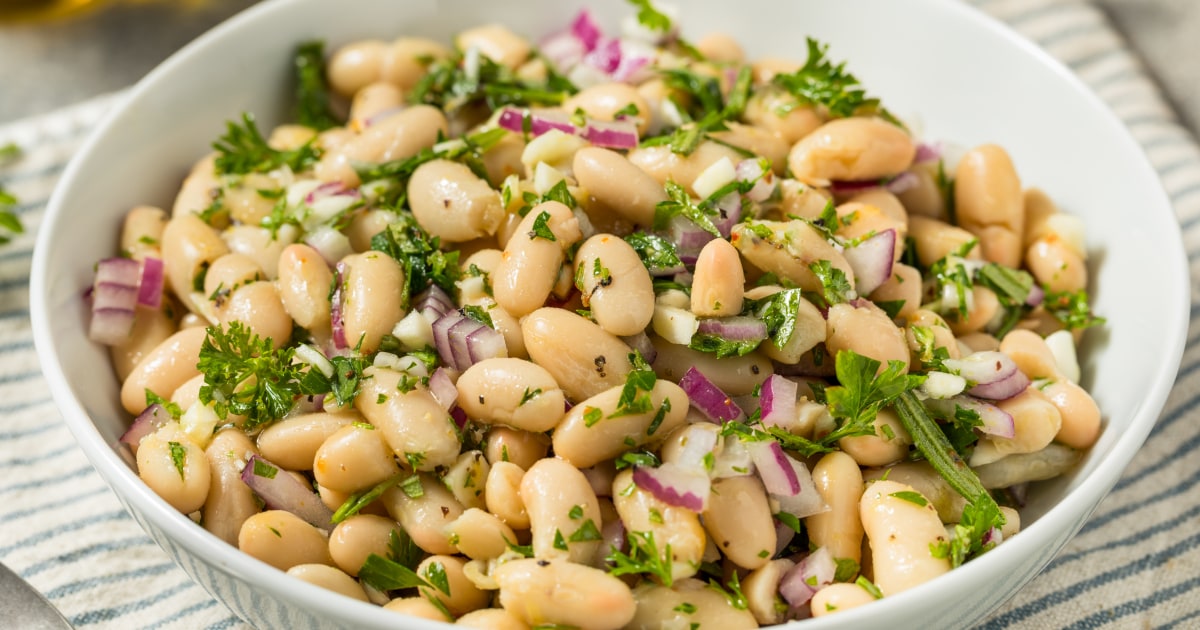
Packed with plant protein and fiber, beans more than earn their place as a pantry staple. And they’re good enough for you that you could eat them every single day if you wanted. The nutrients in beans support your heart health, brain health and gut health, says Natalie Rizzo, registered dietitian and TODAY nutrition editor.“They offer a combination of protein and fiber, two nutrients that help keep you full,” she adds. “They’re also rich in plant compounds called polyphenols, which have antioxidant properties.”But, Rizzo says, those who eat beans frequently should keep some important pointers in mind.Is It Healthy To Eat Beans Every Day?“Absolutely,” Rizzo says. “In fact, I’d encourage people to eat beans regularly (or daily), if they enjoy them and tolerate them well.”Not only are beans affordable and versatile, she says, but they also provide a nutritious combination of fiber, protein, vitamins and minerals that can be difficult to find in other foods. “They’re also a staple of many of the world’s healthiest dietary patterns, including the Mediterranean diet,” Rizzo notes.However, beans are notorious for causing some gastrointestinal side effects, particularly gas and bloating.“Beans contain certain carbohydrates called oligosaccharides, which aren’t fully digested in the small intestine. When they reach the large intestine, gut bacteria ferment them, producing gas,” Rizzo explains. And, if you’re not used to eating a lot of fiber, “suddenly adding several servings of beans to your diet can cause some discomfort,” she adds. So, while beans are certainly healthy enough to eat every day, you should add them to your diet slowly, have other nutritious foods along with them and always drink enough water.If You Want To Eat Beans Frequently…You can absolutely eat beans every day as part of a healthy diet that’s rich in fiber and plant-based protein. But there are still some tips to keep in mind for those who want to eat a lot of beans.Start With Just a ServingOne of the biggest benefits of eating beans is that they’re naturally rich in fiber, a nutrient that many Americans don’t get enough of. But, if your body isn’t used to so much fiber, there can be an adjustment period, Rizzo cautions.That’s why she recommends starting with just one half-cup serving of beans per day and increasing the amount slowly. “You don’t need to eat huge portions to reap the benefits,” Rizzo says.Instead, make your beans part of a complete meal by pairing them with whole grains, vegetables, healthy fats and other protein sources. You can even blend your beans to sauces, soups or dips, like in Rizzo’s Creamy Pumpkin White Bean Pasta.Drink Plenty of WaterWhenever you increase your fiber intake, you should also increase the amount of water you drink. This helps keep all that fiber moving through your digestive system, as TODAY.com explained previously.Eat a Variety of BeansWhile all beans are good for you, it’s still worth trying to get a variety of different beans and legumes in your diet. “I always encourage dietary variety because different beans offer slightly different nutritional profiles,” Rizzo explains.For example, black beans are rich in anthocyanins, an anti-inflammatory plant compound. And chickpeas provide essential nutrients manganese and folate while kidney beans contain potassium and iron. All of these deserve a place in a healthy diet.“Eating a variety of plant foods also exposes your gut microbiome to different types of fibers and prebiotics,” Rizzo says, “which can help support microbial diversity.”
If You Want to Eat Beans Every Day, Keep These 3 Dietitian Tips in Mind
Full Article
Original Source
Read the full article at Today →KhanList aggregates and links to publicly available news content. We do not host full articles from third-party sources. Always verify important information with original sources.