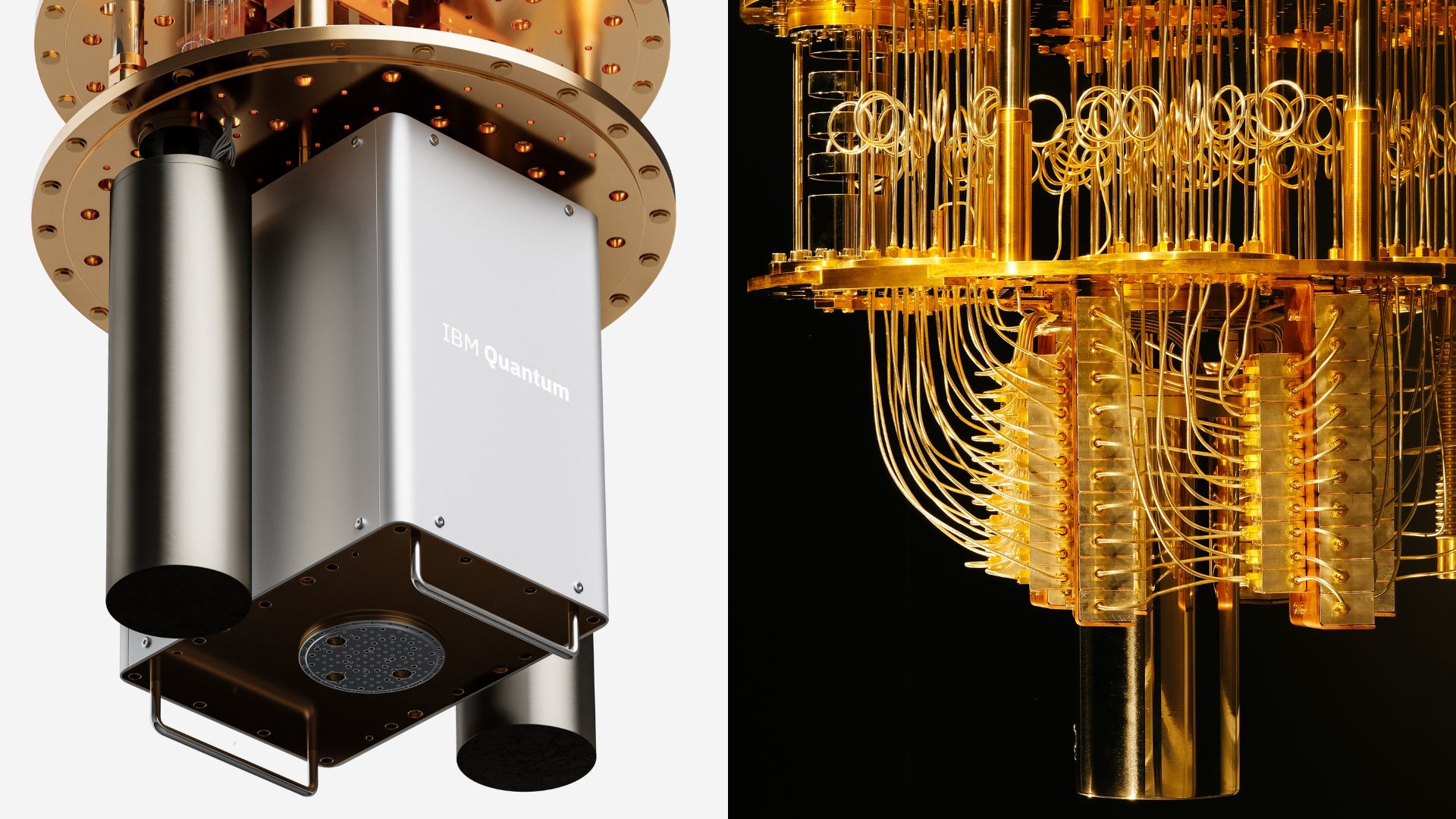
IBM and University of Chicago researchers have demonstrated a quantum computing system that they say can perform a computationally difficult task while also providing evidence that the result is accurate. The experiment used error-corrected logical qubits to run a complex quantum circuit that classical simulation methods could not practically reproduce. IBM’s quantum computer completed the computation in about 15 minutes, while leading classical approaches faced prohibitive runtimes. More importantly, the researchers found that the effective logical error rate was 10 times lower than the physical error rate. That means the error-correction system substantially reduced the impact of hardware-level errors during the computation. The result addresses a major problem in demonstrating quantum advantage. As quantum computations become too difficult for classical computers to reproduce, independently checking whether the quantum machine produced the correct result also becomes harder. Quantum results need proof Researchers have traditionally used a technique called random circuit sampling to test whether quantum computers can perform calculations beyond the practical reach of classical machines. The method generates complex patterns that are difficult for classical systems to reproduce. But there is a catch. If the calculation is too difficult for a classical computer to simulate, it can also become difficult to verify the quantum computer’s output. The IBM and University of Chicago team used a different circuit design that maintains the computational difficulty of random circuit sampling while allowing errors to be detected during the calculation. “Verification remains one of the biggest challenges in firmly establishing experimental quantum advantage,” said Bill Fefferman, associate professor at the University of Chicago. “This experiment develops techniques to better characterize the fidelity of hard quantum states under noise, increasing confidence that the quantum computer is solving a computationally hard problem.” The experiment used 70 logical qubits, which are error-corrected versions of physical qubits. The team performed 2,415 logical two-qubit operations and 468 logical T gates, creating a circuit complex enough to challenge classical simulation methods. The researchers said the encoded circuit achieved effective logical error rates 10 times lower than the physical error rates. That improvement allowed the system to maintain high circuit fidelity despite the large number of operations. A step toward trusted advantage IBM said the experiment provides statistical confidence that the quantum computation was performed faithfully while remaining beyond the practical reach of classical computers. “We are now firmly in the quantum advantage era,” said Jay Gambetta, director of IBM Research and IBM Fellow. “We have demonstrated a quantum computation beyond the practical reach of classical computers that establishes, with statistical confidence, a lower bound on how faithfully it was executed.” The distinction is important for the development of useful quantum computers. Demonstrating that a quantum machine can outperform classical systems is only one part of the challenge. Researchers also need ways to determine whether the machine’s output can be trusted as quantum hardware becomes larger and more complex. Soumik Ghosh, a PhD student in Fefferman’s group at the University of Chicago, said better verification could help support practical applications for future quantum computers. “Beyond strengthening experimental validation, advances in verification have the potential to unlock practical applications for the next generation of quantum computers.” The researchers have released the circuits and results through IBM’s Quantum Advantage Tracker, allowing the work to be examined alongside other quantum advantage demonstrations. The study, “Sampling hard circuits with verifiably high fidelity,” was published in Physical Review X. Recommended ArticlesGet the latest in engineering, tech, space & science - delivered daily to your inbox.With over a decade-long career in journalism, Neetika Walter has worked with The Economic Times, ANI, and Hindustan Times, covering politics, business, technology, and the clean energy sector. Passionate about contemporary culture, books, poetry, and storytelling, she brings depth and insight to her writing. When she isn’t chasing stories, she’s likely lost in a book or enjoying the company of her dogs.
IBM cuts quantum error rates 10x as computer completes hard task in 15 minutes
Full Article
Original Source
Read the full article at Interestingengineering →KhanList aggregates and links to publicly available news content. We do not host full articles from third-party sources. Always verify important information with original sources.