
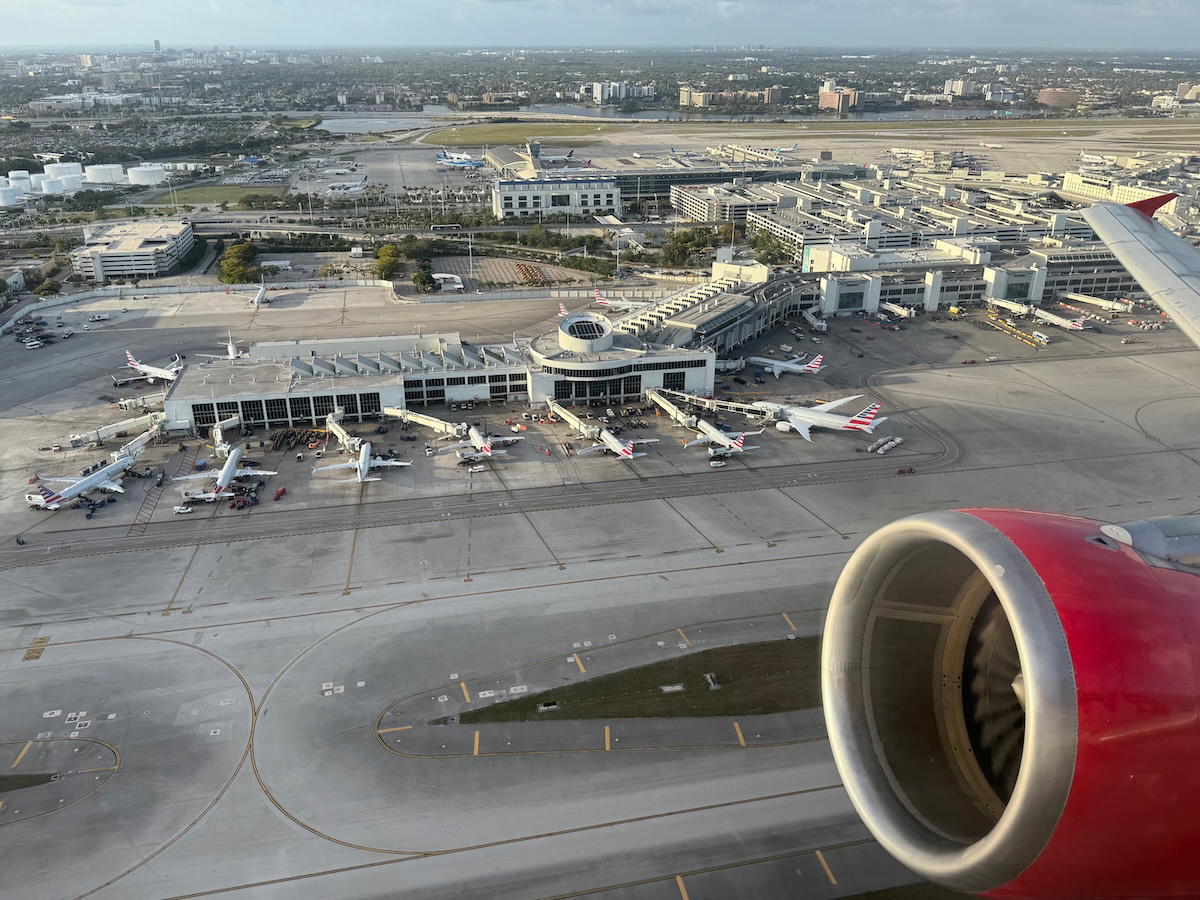
For airlines, there are two key dates every year that have a big impact on network planning, and they coincide with the start of the IATA summer and winter schedules. In this post I’d like to explain what those dates are, and why they matter. Today happens to be the first day of the IATA winter schedule, so you’ll notice flight schedules at some airports look different today compared to yesterday. Understandably, this is something that the average air traveler probably doesn’t think about much. Airlines observe summer & winter schedulesWhat are the practical implications for airlines?Bottom line Airlines observe summer & winter schedules The International Air Transport Association (IATA) is an important body for the airline industry, and it has what’s referred to as summer and winter schedules for airlines. This has implications for airlines, airports, and by connection, consumers. The schedules “flip” at the same time every year: The summer season runs from the last Sunday in March until the last Saturday in October The winter season runs from the last Sunday in October until the last Saturday in March As you can see, the summer schedule lasts around seven months, while the winter schedule lasts around five months. The timing coincides with when Daylight Savings Time (DST) starts and ends in Europe. Yes, yesterday was the last day of the IATA summer season, and today is the first day of the IATA winter season. The summer & winter schedules matter a lot to airlines What are the practical implications for airlines? What’s the importance of IATA seasons changing between summer and winter? When an airline operates a summer seasonal route, it’s not like it always exactly coincides with the IATA summer season. Quite to the contrary, airlines are all over the place with how long they operate seasonal routes, since demand varies by market. So, why do the IATA seasons matter? Most concretely, for the airports that are slot controlled, slot allocations happen seasonally. So if an airline gains or loses slots (this can happen for a variety of reasons), those slots have to be used with a schedule that coincides with the IATA summer or winter season. Also keep in mind that slots have a “use it or lose it” clause, so airlines have to use those slots if they want to keep them. Airline route planning is incredibly complex, so as part of this, airlines often also massively adjust their schedule around the start and end of the IATA seasons. It’s not like there’s anything magical about the last weekend in March and the last weekend in October, but airline network planning is like a jigsaw puzzle, and there are so many moving parts. So it’s often convenient to make scheduled adjustments around that time. So my point is to say that you’ll typically notice the biggest airline changes coinciding with these seasons. That could include frequencies or routes being added or eliminated, aircraft types or certain configurations being reassigned, etc. For example, living in Miami, it’s always fascinating to be on Flightradar24 the day before and after the IATA season changes. Since Miami is one of the few US destinations with stronger demand in winter, with the start of the IATA winter season our skies get busier, and we see more routes and bigger planes. Just to give some examples of changes in Miami (MIA), today marks the first day of winter seasonal service from Barcelona (BCN) on LEVEL, from Copenhagen (CPH) on Scandinavian Airlines, from Dublin (DUB) on Aer Lingus, from Keflavik (KEF) on Icelandair, and from Munich (MUC) on Lufthansa. I’m sure there are a lot more changes, but those are just some examples. Again, the change of the IATA seasons isn’t the only time that routes are updated, but it’s the most common time for these changes. Aircraft are commonly reassigned at the start of seasons Bottom line IATA splits the year into two seasons — summer and winter — with the changes kicking in as of the last weekend in March and last weekend in October. This has major implications for airlines, including that we frequently see route adjustments and equipment swaps coinciding with those dates. I know this is very obvious to some, but for those who aren’t aware of this, I figure it’s worth covering. It’s not a coincidence that two weekends every year see the most changes to airline schedules. Save posts to read later Saving posts is a member feature. Become an OMAAT member to build a reading list you can come back to from any device. Become a member Already a member? Log in Meet Ben Schlappig, OMAAT Founder
IATA Summer & Winter Airline Schedules: What Are They, Why Should You Care?
Full Article
Original Source
Read the full article at Onemileatatime →KhanList aggregates and links to publicly available news content. We do not host full articles from third-party sources. Always verify important information with original sources.