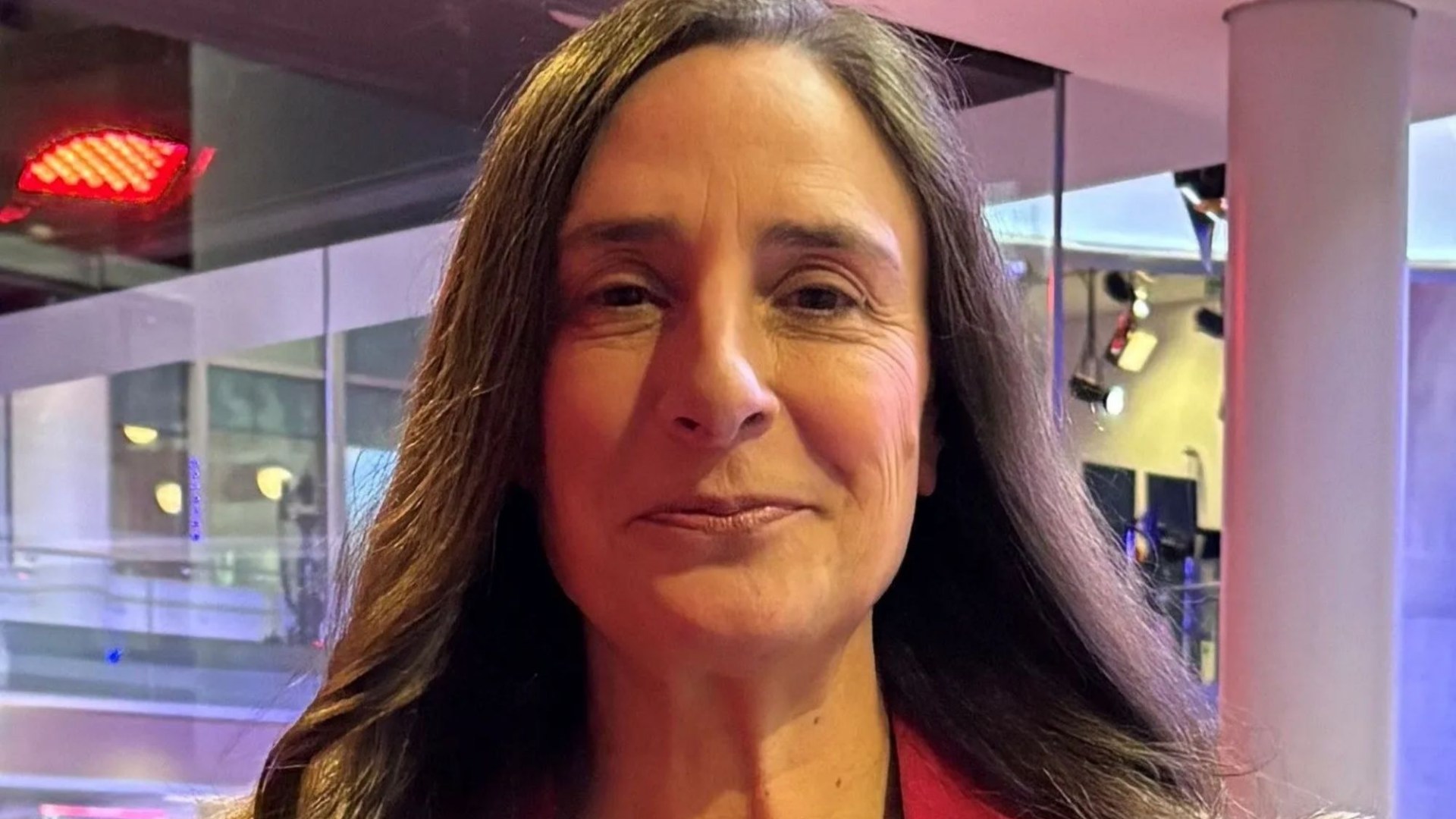
AS a financial whizz with over 20 years experience talking about how to manage your currency on radio, TV and newspapers, Sarah Coles knows more than most about money. So she is probably the last person you would expect to have been trapped in a financially abusive relationship… but she was. Luckily, she escaped her ex – but she says this would have been much harder to do if she’d opted in to the one very popular financial move most couples make. Sarah Coles is the head of personal finance at AJ Bell and has been in finance for 20 years She says her experience should serve as a warning to those considering setting up a joint bank account Credit: Getty If she’d had a joint account – where two people have access to and can manage the same bank account, such as paying in, withdrawing and making payments – she says there would have been further complications. Some 61% of couples have one, according to data from TSB. Couples often set up a shared bank account which can then be used to pay for any joint expenses from food shopping to council tax. While it can be a convenient way to handle your cash, Sarah says there are risks. They financially link both partners in the eyes of lenders – meaning one person’s bad money habits can damage the other’s chances of getting credit. And in the worst case scenario, you could lose total control of your money, leaving you at risk of being a victim of financial abuse, just like Sarah. Financial abuse is when someone uses money to control you. It could involve cutting off your access to money or assets like your investments or pension, or controlling your spending. Sarah’s story happened historically, when she moved in with an ex-partner. Before they moved in, Sarah had no concerns about money in their relationship. “It felt pretty normal,” she said. “Money was tight, but there were no real red flags in the early days. “He would make passing comments about me not really needing to buy things, but it didn’t feel like it crossed a line.” When they first moved in, they talked about pooling resources and buying a house once his divorce was finalised. But that’s when she noticed some major red flags. “In the early days of my experiences with abuse, I was persuaded to put all the bills in my name, because it made things easier to manage, and my partner said he would make sure he covered his share of the costs,” she said. She was forced to pay the rental deposit, and covered all the rent and bills. But then he gave up his job after the birth of Sarah’s second child – leaving her the only person bringing in an income. She had to take on three jobs just to make sure that she could cover the costs – while he controlled every penny of her spending. “He didn’t do it by physically holding the purse strings. He would just make sure there were emotional consequences if I didn’t spend my money in a way he approved of,” she said. “I would argue with him in the early days, but whenever I pushed back, his rules around spending got even tighter, until I gave up fighting it. “It got to the stage where I wanted to buy a winter coat for one of the kids, and I ended up pretending it was a hand-me-down from a friend, because I didn’t want to be forced to take it back to the shop.” Here’s why she says her story should serve as a warning for those thinking about taking out a joint bank account. ‘A joint bank account would have made it harder to leave’ Some couples share a joint account to keep a close eye on their expenditure Credit: Getty Some couples pay all their earnings into a joint account and agree on how every penny will be spent. This can make sense if one partner is not working, perhaps because they are caring for children or another family member, or if one person earns the lion’s share of the household income. It can also help when money is tight and the couple needs to keep a close eye on every outgoing. But Sarah says that she had decided to open a joint account with her ex, her experience of financial abuse could have been much worse. “Your partner can take day-to-day control of the money, restrict how much is available to you, or run up debts in both of your names,” she says. “I was able to get away because I had my own accounts and my own money. I was able to pay for legal advice, and cover the cost of a home for me and my children. “If we had set up a joint account, all of this would have been far harder. It would have enabled him to control the account and pay me an allowance that was barely enough to survive on, let alone put any aside to help me escape the abuse.” When you open a joint bank account, or take out another joint financial product, this can create a financial association between you and your partner on your credit files. Sarah said: “Any trouble your partner gets into will be linked to you, and it could be harder for you to borrow.” Opening a joint account with her ex could have been catastrophic for Sarah. It was several months down the line after moving in that she discovered her partner’s personal debts were big and badly managed. But luckily, because she didn’t have a joint account, there was no financial link between her and her partner. “I wasn’t responsible for any of my partner’s debts,” she said. “After leaving him, I would have had to start again, with no money of my own, and I could have spent years clearing joint debts before I could rebuild my own finances.” Sarah said she now expects complete transparency when it comes to finances in a relationship, but that it’s almost as important for each partner to have their own financial lives, and the freedom to live them as we want. If you separate and no longer have joint financial products, you may be able to ask credit reference agencies for a notice of disassociation. You should first make sure all joint accounts and credit agreements have been closed or transferred appropriately. I was planning on opening a joint bank account – should I not now? Make sure you set boundaries and establish rules when setting up a joint account Credit: Getty You do not have to choose between combining all your money and keeping your finances completely separate. One option is to open a joint account solely for shared household expenses. Each partner can transfer an agreed amount into it every month, with direct debits set up to cover rent or mortgage payments, energy bills, council tax and other essentials. Sarah said: “It’s a great way to make sure nothing is overlooked.” The rest of each person’s income can remain in their individual account, giving them some financial independence. Sarah’s separate bank account meant that she could slowly build up her savings in order to escape from the relationship. If you do decide to open one as a couple, the key is to talk openly and agree on an arrangement they both believe is fair and affordable. Some couples contribute the same cash amount towards bills, regardless of how much each person earns. While a 50-50 split may appear fair, it can put far more pressure on the lower earner. The person earning more may also be left with significantly more disposable income, allowing them to afford holidays, meals out and other treats that their partner cannot. Another option is to split costs in proportion to income. For example, if one person earns 60% of the household income, they could pay 60% of the shared expenses. This can give both partners more freedom and flexibility after the bills have been paid. However, the higher earner needs to be genuinely comfortable contributing more rather than using it as leverage later. The key is to have honest and regular conversations about money, including debts, spending habits and financial goals. How to get help IF you think you have been a victim of financial abuse, then it's vital that you reach out for help. Financial abuse can start with innocent requests for money or taking cash from you without asking. If you’re not sure whether you’re actually being abused, you can call the National Domestic Violence Helpline to get some more information. This is available on 0808 2000 247 in England, 0808 801 0800 in Wales, 0800 027 1234 in Scotland and 0808 802 1414 in Northern Ireland. Male sufferers can also contact the Men’s Advice Line on 0808 801 0327, as domestic and financial abuse isn’t just a women’s issue There’s also the National LGBT and Domestic Abuse helpline on 0800 999 5428.
I was in financially abusive relationship & my horror story is a warning to all couples… don’t make this common mistake
Full Article
Original Source
Read the full article at Thesun →KhanList aggregates and links to publicly available news content. We do not host full articles from third-party sources. Always verify important information with original sources.