
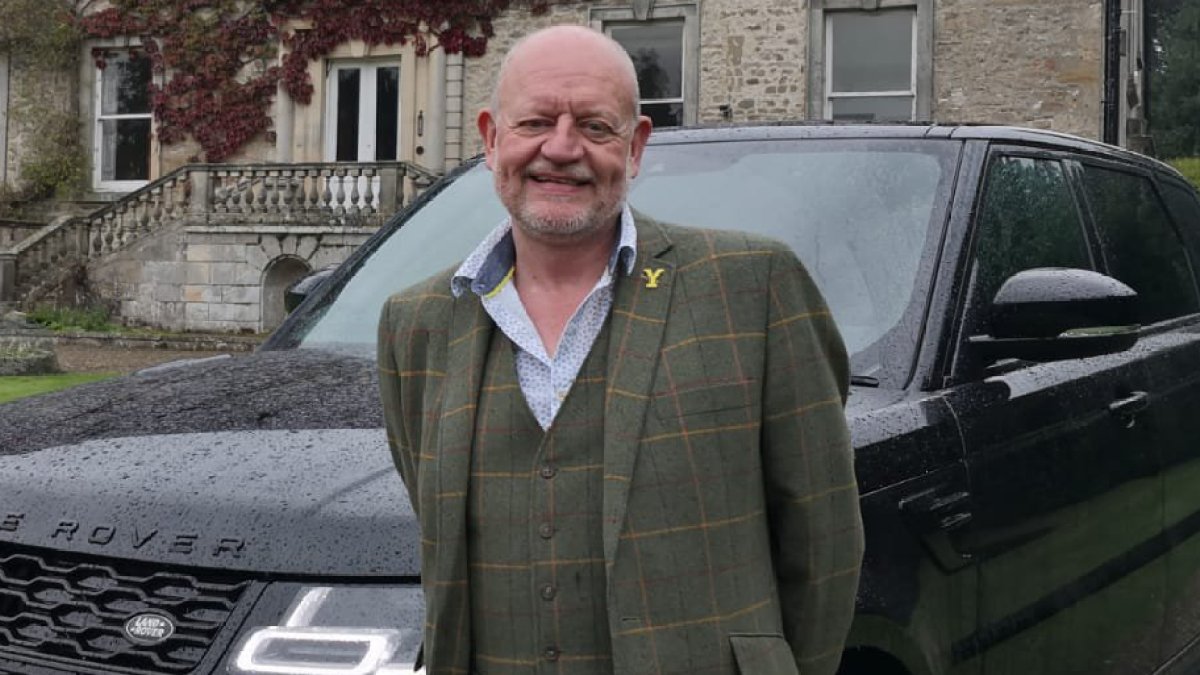
Ian Morton decided to spend over £2m – including £750,000 from his pension – to help rescue a crumbling Yorkshire stately home that is now a £10.5m tourism business. The 64-year-old has held his retirement savings in a small self-administered scheme (SSAS) pension – which allows the money to be invested in property – for several years and used this to fund a purchase and restoration of Marske Country Estate, North Yorkshire. Ian, from Otley, West Yorkshire, has worked in the property industry for decades and has held his money in an SSAS – a type of pension set up by a limited company where a group of trustees control the investments collectively – because it gives the freedom to invest in commercial property. Shorts In 2020, the SSAS bought the estate’s derelict stables and sawmill for £750,000. Two years later, he purchased Marske Hall itself for £1.3m using separate savings built up during his career. Then he and two others raised £1.5m from commercial investors to restore the Grade II-listed building, which now operates as a holiday destination in the Yorkshire Dales. Independent valuations by the Royal Institution of Chartered Surveyors [RICS] now place the estate, which has been transformed into 20 holiday lets, at around £10.5m, after further financing by other investors. Ian now takes an income from the holiday lettings and will continue to do so when he fully retires, which he plans to do in around five years. He also has income from a wider residential property portfolio and other property investments. He will be entitled to a payout when the estate is sold, or he can pass on the equity he has when he dies. The restoration began in 2020 after Ian bought the estate’s stables and turned the property into holiday lets Using a pension to boost investment Ian said that the work required to complete the renovations was large. “Both the stables and sawmill were in an appalling condition when we bought them, suffering from major structural issues, years of neglect and serious infestations,” he said. “The sawmill, in particular, had never been lived in. Trees were growing through the roof, and there were hundreds of rats running around inside, “he added. The restoration proved considerably more complicated than a standard renovation. Working on listed buildings uncovered hidden structural problems, while conservation rules required specialist materials and craftsmen, adding months to the project and significantly increasing costs. SSAS pensions are not common, with most individuals saving into workplace pensions or self-invested personal pensions (SIPPs) instead, which tend to invest in equities, bonds and cash. To make the project financially viable, the restoration was carried out in phases But Ian says he was drawn to an SSAS because of his experience working in property development. “An SSAS is not suitable for everyone, but for someone with decades of experience in commercial property, it offered the opportunity to invest pension funds into tangible assets while helping preserve an important part of Britain’s architectural heritage,” he says. He also explains that he doesn’t just measure the project by its commercial success. “The financial returns matter, but the greatest reward has been seeing three buildings that were once derelict become places that thousands of people can now enjoy. That is something no conventional pension investment could ever have given me. “For me, the return has never been measured purely in financial terms. It is also about creating something lasting for future generations.” How does an SSAS work – and should you get one? An SSAS is a specialist occupational pension that gives users more control over how their retirement savings are invested, including allowing investment in commercial property. Unlike most workplace pensions, which are invested in funds holding shares and bonds, SSASs are generally used by company directors and experienced investors. SSAS pensions remain a relatively niche but established option in the UK, with around 21,000 schemes covering approximately 60,000 savers in 2026, according to official government figures. An SSAS can have a maximum of 11 members. Either a small company sets one up or a group of directors of a larger company does. Each member of the scheme pays contributions (along with the employer) into it and gets an agreed share of the pension. Other employees of the employer do not – they will have their own pension provision in a qualifying scheme for auto-enrolment purposes. David Gibb, financial planner at Quilter Cheviot, warned: “An SSAS pension can be a useful corporate planning tool for small business owners, provided they have done the due diligence. “People should only consider them if they understand the rules around the pension, or have received advice and help in setting one up. “SSASs are complex, carry significant trustee responsibilities, and can be costly to run. Unless you have substantial pension assets, a genuine need for some of the benefits that it can bring and are comfortable with the additional governance requirements, a simpler pension arrangement may be more appropriate.”
I used my pension to invest £2m into a crumbling stately home – now it’s worth £10.5m
Full Article
Original Source
Read the full article at Inews →KhanList aggregates and links to publicly available news content. We do not host full articles from third-party sources. Always verify important information with original sources.